
Moisture Detection in Cocoa When Indoor Air Feels Damp: When to Schedule an Evaluation
If your home in Cocoa constantly feels damp — even when the AC is running — that feeling usually isn’t just discomfort.
It’s information.
Along Florida’s east coast, especially in neighborhoods near the Indian River, humidity doesn’t disappear after a rainstorm. It lingers. And when indoor air consistently feels heavy, sticky, or stale, moisture is often accumulating somewhere inside the structure.
The challenge is that moisture doesn’t always show itself right away.
That’s where moisture detection becomes important — not after visible damage appears, but when early warning signs begin.
Why Homes in Cocoa Often Feel Damp
Cocoa’s climate creates steady moisture pressure on homes.
Property owners here deal with:
• High year-round humidity
• Afternoon thunderstorms during summer
• Tropical systems and wind-driven rain
• Salt-laden coastal air
• Elevated groundwater levels after heavy rain
Even if your roof is intact and plumbing is sound, humidity can still infiltrate through vents, soffits, and small exterior penetrations.
Over time, building materials absorb that moisture.
When indoor relative humidity stays above 60% for extended periods, drywall, framing, insulation, and subflooring begin holding dampness.
You feel it in the air first.
Early Signs That Warrant Moisture Detection
Many homeowners wait until they see visible staining.
But damp air itself is often the earliest signal.
Schedule an evaluation if you notice:
• Persistent musty odors
• Windows collecting condensation
• Floors feeling slightly warped
• Doors sticking during humid weather
• AC running constantly without comfort improvement
• Increased allergy-like irritation indoors
These subtle changes often indicate moisture is present behind walls, in attic spaces, or beneath flooring.
Cocoa’s humidity accelerates the process.
The Crawl Space Connection
In many Cocoa homes, damp indoor air starts below.
Crawl spaces are particularly vulnerable due to:
• Moist soil evaporation
• Thin or damaged vapor barriers
• Warm air entering through vents
• Standing water after heavy rain
When humidity rises beneath the home, wood framing absorbs it.
That moisture then migrates upward into living areas.
Homeowners may only notice stale air or faint odors.
Moisture detection in crawl spaces often uncovers elevated wood moisture content long before visible mold appears.
Attic Humidity and Hidden Condensation
Attics in Cocoa endure intense heat combined with coastal humidity.
When cool air moves through ducts in hot attic spaces, condensation can form on duct exteriors.
Small roof vulnerabilities during storm season may also introduce moisture.
Over time, attic insulation and framing may retain dampness.
If indoor air feels humid despite AC use, attic evaluation is often necessary.
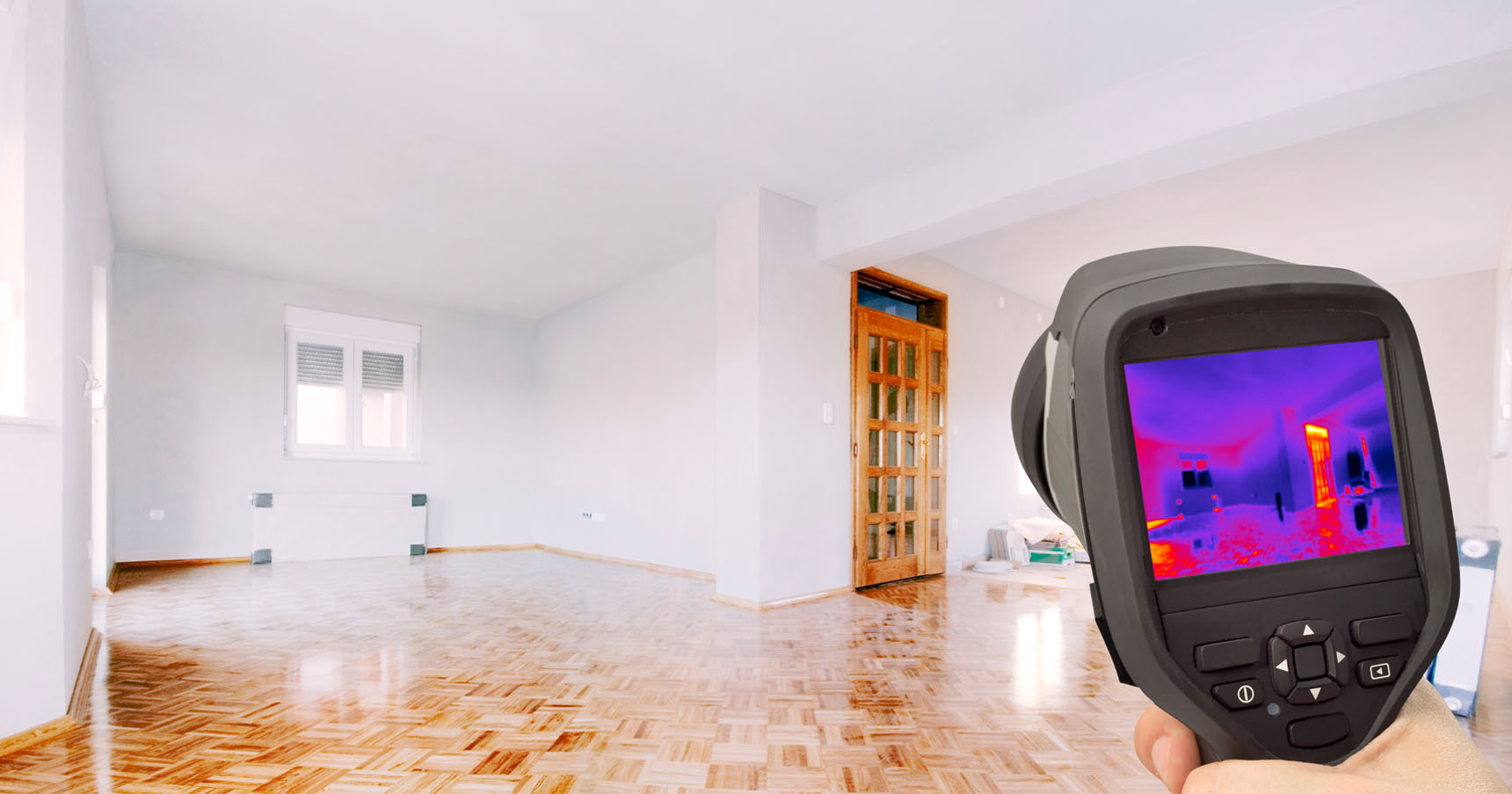
Thermal imaging helps identify damp areas in roof decking and trusses that aren’t visible from below.
Slab Foundations and Ground Moisture
Many homes in Cocoa are built on slab foundations.
After prolonged rain, groundwater levels rise. Moisture may migrate upward through concrete — especially in older homes where vapor barriers have deteriorated.
Signs may include:
• Musty smells near baseboards
• Darkened grout lines
• Slight flooring cupping
• Persistent humidity indoors
Moisture detection confirms whether slab transmission contributes to indoor dampness.
Replacing flooring without testing slab moisture leads to repeat issues.
When Damp Air Persists After Storms
Storm season in Cocoa brings intense rain and prolonged humidity.
Even after visible water dries, humidity inside wall cavities may remain elevated.
Schedule an evaluation if damp air persists more than a few days after:
• Heavy thunderstorms
• Tropical systems
• Roof repairs
• Plumbing leaks
Delaying inspection allows moisture to spread further into framing and insulation.
Early detection limits structural impact.
How Professional Moisture Detection Works
Moisture detection goes beyond visual inspection.
A structured evaluation may include:
• Pin and pinless moisture meter readings
• Thermal imaging scans
• Indoor humidity measurement
• Crawl space inspection
• Attic assessment
• Slab moisture testing when needed
Thermal imaging identifies temperature differences consistent with hidden dampness.
Moisture meters confirm elevated levels inside materials.
Companies like Inspections and More FL combine multiple tools to map moisture accurately before recommending drying or remediation.
Precision prevents unnecessary demolition.
Why Timing Matters in Cocoa
In Florida’s warm climate, mold growth can begin within 24 to 48 hours on damp materials.
Even if you don’t see growth, persistent moisture weakens structural components over time.
Scheduling an evaluation early:
• Reduces drying time
• Limits material removal
• Prevents microbial spread
• Protects indoor air quality
Waiting often increases repair scope.
Humidity rarely corrects itself naturally in coastal Florida.
The Role of HVAC in Damp Air
Air conditioning removes moisture while cooling, but it has limits.
If systems are oversized or short-cycle frequently, humidity may remain elevated.
Clogged condensate lines, sweating air handlers, or duct leaks can introduce additional moisture into walls and ceilings.
If your AC runs constantly but air still feels damp, moisture detection helps determine whether the issue is mechanical or structural.
Addressing the root cause prevents recurring discomfort.
Long-Term Prevention in Cocoa Homes
After moisture is identified and corrected, homeowners can reduce future dampness by:
• Monitoring indoor humidity levels
• Servicing HVAC systems annually
• Installing crawl space vapor barriers
• Improving attic ventilation
• Inspecting roofs before storm season
• Addressing minor leaks immediately
Humidity control is ongoing in Cocoa’s coastal environment.
Proactive monitoring protects structural integrity.
Why Local Experience Matters
Moisture behavior in Cocoa differs from inland cities like Sanford and even from Palm Bay.
Proximity to water, coastal wind patterns, and salt exposure create specific humidity cycles.
Professionals familiar with:
• Cocoa construction styles
• Typical crawl space designs
• Slab foundation moisture patterns
• Seasonal storm intensity
can interpret moisture readings accurately.
Localized expertise ensures small issues aren’t overlooked — and harmless variations aren’t overestimated.
A Practical Next Step
If your Cocoa home consistently feels damp, even without visible water damage, scheduling a moisture detection evaluation is a smart move.
Damp indoor air is often the first sign of hidden moisture.
Early assessment protects your structure before mold growth or material deterioration begins.
In Florida’s humid coastal climate, waiting for visible damage usually means waiting too long.
Moisture detection offers clarity.
And clarity protects your home.
