
Mold Encapsulation in Cocoa When Indoor Air Feels Damp: How Early Detection Saves Money
When indoor air feels damp in Cocoa, most homeowners assume it’s just “Florida humidity.” And yes — Brevard County does stay humid most of the year. But when that heavy, sticky feeling lingers indoors day after day, it often signals something more than weather.
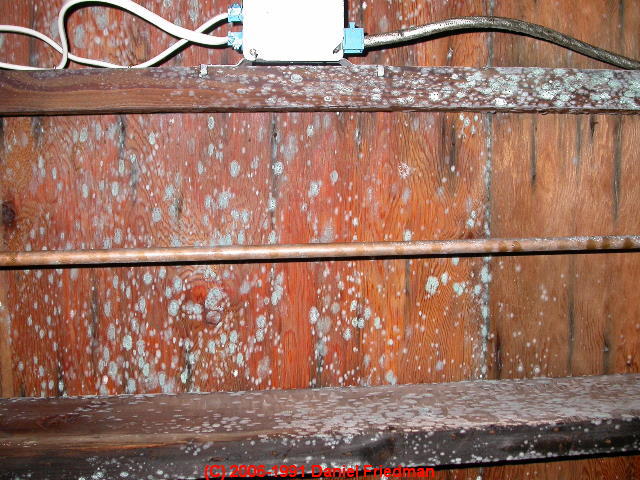
In many Cocoa homes, persistent damp air points to hidden moisture inside structural spaces like crawl areas, attics, or wall cavities. If left unaddressed, that moisture can lead to mold growth on framing and sheathing.
That’s where mold encapsulation comes into the conversation — and why early detection makes a significant financial difference.
Let’s break down how this works and why timing matters.
Why Indoor Air Feels Damp in Cocoa Homes
Cocoa’s coastal environment creates constant moisture pressure on homes.
Several common factors contribute to damp indoor air:
- High outdoor humidity year-round
- Heavy rainstorms and hurricane season
- High water tables
- Crawl space moisture
- Slab foundation moisture transmission
- Air conditioning condensation issues
Even without visible leaks, structural materials may absorb moisture slowly over time.
When wood framing and insulation hold moisture, humidity levels indoors can rise subtly — long before visible mold appears.
The Early Signs Most Homeowners Miss
Before visible mold develops, homeowners often notice subtle changes:
- A faint musty odor
- Slightly warmer indoor air
- HVAC running longer than usual
- Minor wood discoloration in crawl spaces
- Insulation feeling slightly damp
- Humidity readings above 60%
These early indicators are often dismissed as normal Florida conditions.
But in Cocoa, they frequently point to structural moisture imbalance.
Catching these signs early prevents bigger issues later.
How Mold Develops in Damp Conditions
Mold doesn’t require standing water.
In Cocoa’s warm climate, mold can begin growing when:
- Humidity stays elevated
- Wood remains slightly damp
- Airflow is limited
- Temperatures remain warm
Crawl spaces and attics are especially vulnerable.
If indoor air feels damp for weeks, framing may already be absorbing moisture behind the scenes.
That’s why moisture detection becomes so important at the first sign of persistent humidity.
What Early Detection Involves
Early detection typically includes:
- Measuring indoor relative humidity
- Inspecting crawl spaces and attics
- Using moisture meters on framing
- Checking slab edges for moisture
- Identifying airflow issues
When moisture is detected early, the remediation scope is often smaller and less invasive.
Instead of widespread material removal, targeted cleaning and encapsulation may be sufficient.
What Mold Encapsulation Actually Does
Mold encapsulation is a protective coating applied to structural materials after:
- The moisture source has been corrected
- Affected areas have been properly cleaned
- Materials have been dried to safe levels
Encapsulation:
- Seals cleaned wood surfaces
- Locks down residual microscopic particles
- Adds moisture resistance
- Reinforces structural framing
- Reduces future mold colonization risk
It does not replace remediation — it strengthens the structure after remediation is complete.
In Cocoa’s humid climate, that additional layer of protection can prevent repeat problems.
Why Acting Early Saves Money
The financial difference between early action and delayed action can be significant.
Early Detection Scenario
- Limited mold growth
- Minimal material removal
- Targeted cleaning
- Structural drying
- Encapsulation of affected areas
This approach protects framing before damage spreads.
Delayed Response Scenario
If damp conditions are ignored:
- Mold spreads across larger framing areas
- Insulation may require full replacement
- Drywall may need removal
- Flooring systems may become affected
- Structural components may weaken
The longer moisture remains, the more extensive the remediation becomes.
In Florida’s climate, delays multiply costs quickly.
Crawl Spaces: The Most Common Encapsulation Zone
In Cocoa homes, crawl spaces are frequently the first area where mold develops when indoor air feels damp.
High water tables and saturated soil increase humidity beneath the home.
Early detection in crawl spaces often allows:
- Targeted cleaning
- Structural drying
- Encapsulation of joists
This proactive approach prevents upward moisture migration into living spaces.
Waiting too long often leads to more complex remediation.
Attic Encapsulation After Humidity Cycles
Attics also absorb moisture during extended humid periods.
Bathroom exhaust fans venting improperly or poor ventilation can elevate attic humidity.
When detected early, mold growth on roof decking may be limited and manageable.
Encapsulation in these cases:
- Reinforces cleaned wood
- Adds protection against recurring humidity
- Stabilizes attic framing
Early intervention keeps attic repairs minimal.
Why Cocoa’s Climate Demands Proactive Monitoring
Florida’s climate works against natural drying.
Opening windows often introduces more humid air.
Fans move air but do not remove moisture.
Because humidity cycles repeat year-round, early detection should be part of regular property maintenance in Cocoa.
Routine moisture evaluations catch small problems before they escalate.
At Inspections and More FL, early inspections frequently prevent larger structural repairs later.
Why DIY Sealants Aren’t the Answer
Some homeowners attempt to apply coatings without proper remediation.
Common mistakes include:
- Sealing over active mold
- Ignoring moisture sources
- Skipping moisture measurement
- Trapping dampness beneath coatings
Encapsulation must follow professional cleaning and drying.
Otherwise, moisture can remain hidden beneath the surface.
Protecting Long-Term Property Value
Homes in Cocoa benefit from proactive moisture control.
Early detection combined with proper encapsulation:
- Protects structural framing
- Reduces recurring humidity issues
- Supports indoor air stability
- Prevents expensive demolition
- Maintains property value
Water intrusion doesn’t have to be dramatic to cause damage.
Sometimes it starts with nothing more than air that feels slightly damp.
Why Local Experience Matters
Coastal properties behave differently than inland homes.
Local professionals understand:
- How wind-driven rain affects structures
- How slab foundations transmit moisture
- How crawl spaces react to high water tables
- How salt air impacts building materials
- How Florida humidity influences drying times
Experience across Cocoa, Merritt Island, Palm Bay, and Melbourne ensures encapsulation is used appropriately and strategically.
Decisions are based on measured moisture levels — not assumptions.
The Bottom Line
When indoor air feels damp in Cocoa, it’s often an early warning sign of hidden structural moisture.
Mold encapsulation protects properties by reinforcing cleaned framing and adding moisture resistance — but its true value comes from early action.
Early detection:
- Limits mold spread
- Reduces remediation scope
- Saves money
- Protects structural integrity
- Prevents recurring problems
In Florida’s humid environment, waiting rarely makes things better.
If your Cocoa home feels persistently damp, a professional moisture evaluation can determine whether early remediation and encapsulation are needed before small issues turn into major repairs.
