
Mold Encapsulation in Merritt Island in Slab Foundation Houses: When to Schedule an Evaluation
Slab foundation homes are common throughout Merritt Island. They’re durable, practical, and well-suited for Florida’s soil conditions. But in coastal areas like Merritt Island — surrounded by water, exposed to heavy humidity, and impacted by seasonal storms — slab homes come with a unique moisture challenge.
When moisture becomes persistent inside walls or along slab surfaces, mold can develop in areas homeowners rarely see. In certain situations, mold encapsulation becomes part of the corrective solution.
The question most homeowners ask is simple: When should you schedule an evaluation?
Understanding how moisture behaves in slab foundation houses — especially in Merritt Island — helps answer that question clearly and calmly.
What Mold Encapsulation Actually Means
Mold encapsulation is not a shortcut and it’s not covering up a problem.
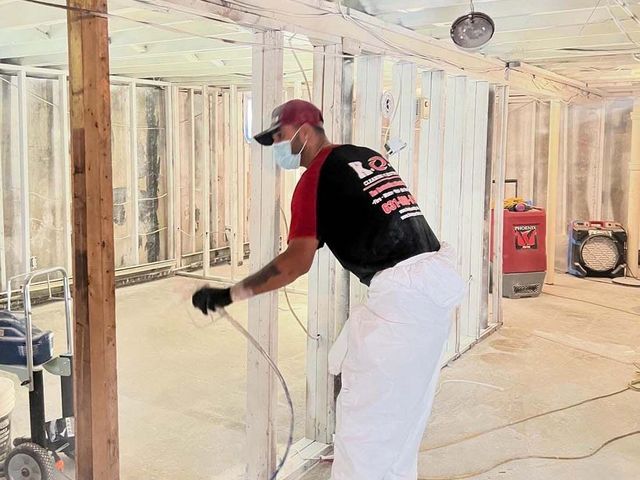
It’s a controlled remediation step used after proper cleaning and removal of mold growth. Once contaminated surfaces are cleaned and dried, a specialized encapsulating coating is applied to seal structural materials and help prevent future mold development.
Encapsulation is typically used on:
- Concrete block walls
- Slab foundation edges
- Wood framing
- Subfloor materials
- Areas where removal isn’t structurally practical
It is only appropriate after the moisture source has been corrected. Encapsulation without moisture control will not solve the problem.
Why Slab Foundation Homes in Merritt Island Are Vulnerable
Slab construction sits directly on concrete poured over compacted soil. In coastal Florida, that soil holds moisture year-round.
Several local conditions contribute to mold concerns:
High Water Table
Merritt Island’s proximity to the Indian River and Banana River means groundwater sits relatively close to the surface. During rainy months or hurricane season, soil saturation increases.
Concrete is porous. Moisture vapor can migrate upward through slab foundations over time.
Persistent Coastal Humidity
Humidity levels remain elevated most of the year. Even without flooding, interior moisture levels can remain high enough to support mold growth on concrete and drywall.
Storm and Hurricane Exposure
Heavy rains and wind-driven moisture can seep into small exterior cracks around slab edges, baseboards, and wall penetrations.
AC Condensation
In Florida, air conditioning systems run almost continuously. If ductwork sweats or drainage systems fail, moisture may accumulate along slab surfaces.
Common Warning Signs in Slab Homes
Because slab homes lack crawl spaces, moisture issues often develop inside walls or along flooring.
Homeowners in Merritt Island often notice:
- Musty odors near baseboards
- Bubbling paint on lower walls
- Dark staining along slab edges
- Warped flooring
- Persistent indoor humidity
These signs don’t always mean encapsulation is necessary — but they do signal the need for evaluation.
Hidden Mold Areas in Slab Construction
Mold in slab homes often grows in places homeowners cannot see.
Behind Baseboards
Moisture traveling upward from concrete slabs can collect behind baseboards and lower drywall edges.
Under Flooring
Moisture vapor transmission through slabs can affect hardwood, laminate, or vinyl flooring adhesives.
Inside Exterior Block Walls
Concrete block walls can retain moisture for long periods, especially in coastal environments.
Around Plumbing Penetrations
Pipe entry points through slabs can allow moisture intrusion if not properly sealed.
When to Schedule an Evaluation
Encapsulation isn’t automatically required in every mold situation. But there are clear scenarios when evaluation should not be delayed.
After Hurricane or Flood Exposure
Even if standing water wasn’t visible, slab foundations may have absorbed moisture during heavy storms.
When Musty Odors Persist
If odors remain after cleaning and ventilation adjustments, hidden mold may be present behind lower wall sections.
When Flooring Shows Signs of Moisture
Cupping, lifting, or discoloration may indicate slab-related moisture issues.
When You’ve Experienced Plumbing Leaks
Leaks inside walls or under slabs can create long-term dampness in structural materials.
Before Renovations
If you’re planning to install new flooring or remodel interior spaces, evaluating for slab moisture and potential mold is wise.
Early evaluation prevents reopening finished areas later.
Why DIY Approaches Rarely Solve Slab Mold Issues
Homeowners sometimes attempt to:
- Paint over stained areas
- Apply sealants without testing
- Use household mold sprays
- Increase AC usage
These steps may reduce surface appearance temporarily, but they do not measure slab moisture content or identify vapor transmission.
Without proper tools and assessment, the root cause remains.
What a Professional Evaluation Involves
In Merritt Island slab foundation homes, evaluation includes several steps.
1. Visual Inspection
Inspectors assess baseboards, wall surfaces, flooring edges, and exterior slab transitions.
2. Moisture Meter Testing
Moisture meters measure content inside drywall, framing, and concrete surfaces.
3. Thermal Imaging
Thermal cameras identify temperature variations caused by hidden moisture behind walls.
4. Humidity Analysis
Indoor humidity levels are evaluated to determine whether the environment supports mold growth.
5. Source Identification
If moisture is detected, professionals determine whether it originates from:
- Slab vapor transmission
- Plumbing
- Exterior intrusion
- HVAC condensation
Encapsulation is only recommended after moisture correction.
The Encapsulation Process Explained
When encapsulation is appropriate, the process typically includes:
- Removal of contaminated drywall or insulation if necessary
- Thorough cleaning of structural surfaces
- HEPA vacuuming
- Controlled drying of materials
- Application of mold-resistant encapsulating coatings
These coatings seal porous surfaces and provide an added layer of protection in areas where moisture exposure may continue at low levels.
Prevention for Slab Homes in Merritt Island
Because coastal humidity is constant, prevention is ongoing.
Homeowners can reduce risk by:
- Monitoring indoor humidity between 45–55%
- Ensuring proper exterior drainage
- Inspecting slab edges annually
- Maintaining HVAC systems
- Addressing plumbing leaks immediately
- Scheduling post-storm inspections
Slab homes require proactive moisture awareness, especially in coastal neighborhoods.
Why Local Experience Matters
Moisture patterns in Merritt Island differ from inland areas like Sanford or even parts of Palm Bay.
Local professionals understand:
- How coastal soil conditions affect slab foundations
- Common construction styles in Merritt Island neighborhoods
- How high water tables influence vapor movement
- Typical post-hurricane moisture behavior
Inspections and More FL has worked extensively in Merritt Island, evaluating slab foundation homes and implementing appropriate remediation and encapsulation strategies based on Florida’s climate realities.
A Calm, Practical Next Step
If you own a slab foundation home in Merritt Island and notice persistent moisture signs, scheduling an evaluation is not about assuming the worst. It’s about gathering accurate information.
An inspection can determine:
- Whether mold is present
- If encapsulation is necessary
- Whether moisture is ongoing
- What corrective steps are required
Mold encapsulation is a targeted solution — not a universal one. In Merritt Island’s humid coastal environment, timely evaluation ensures your slab foundation home remains structurally sound and protected long-term.
