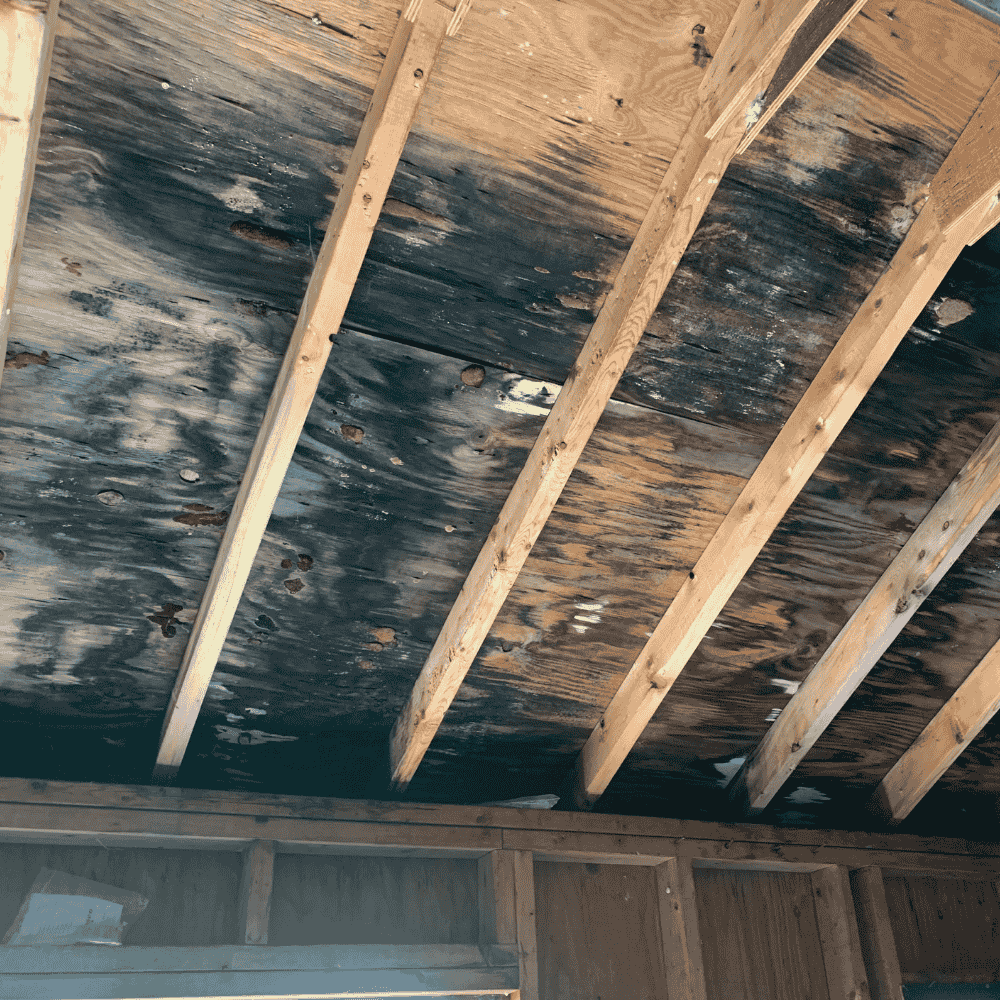
Mold Encapsulation in Merritt Island Inside Commercial Buildings: How to Prevent Recurring Damage
Commercial buildings in Merritt Island face a unique set of moisture challenges. Between coastal humidity, salt air exposure, frequent storms, and year-round cooling demands, indoor environments are constantly under pressure. When mold develops inside a commercial structure — especially within framing, roof decking, or crawl spaces — remediation may include mold encapsulation as part of the recovery process.
Encapsulation can be an effective protective step. However, preventing recurring damage requires more than simply applying a coating over affected surfaces. In Merritt Island, as well as nearby Cocoa, Melbourne, Palm Bay, and even inland toward Sanford, long-term stability depends on moisture control, ventilation balance, and structured follow-up.
Understanding how encapsulation works — and how to prevent repeat issues — helps commercial property owners protect their investment.
What the Issue Is
Mold encapsulation is a protective treatment applied to structural materials after mold contamination has been cleaned and moisture levels corrected. It involves sealing wood framing, roof decking, or other porous materials with a specialized coating designed to inhibit future microbial growth.
In commercial buildings, encapsulation is often used in:
- Attic spaces
- Roof decking systems
- Crawl spaces
- Mechanical rooms
- Storage areas
- Subfloor framing
Encapsulation is not mold removal by itself. It is a supplemental protective layer applied after proper remediation and drying.
When applied correctly, it helps reduce the likelihood of mold regrowth on previously affected surfaces.
Why This Happens So Often in Merritt Island Commercial Properties
Merritt Island’s coastal conditions increase moisture exposure year-round.
Persistent Humidity
Outdoor humidity levels often remain elevated, even outside rainy season.
Salt Air Corrosion
Coastal exposure accelerates roof flashing and fastener deterioration.
Heavy Storm Activity
Wind-driven rain can infiltrate roof systems and wall assemblies.
Flat and Low-Slope Roofing
Many commercial buildings use roof designs prone to slow drainage.
High Occupancy & HVAC Load
Large air handling systems circulate moisture throughout the building.
Commercial properties in Cocoa and Melbourne experience similar conditions, especially near waterfront zones.
When moisture enters structural cavities and remains untreated, mold growth can follow.
Encapsulation becomes part of the recovery process — but only if underlying moisture is fully addressed.
Common Signs Property Owners Notice
Before encapsulation is considered, property managers often observe:
- Musty odors in hallways or offices
- Visible mold on ceiling decking
- Discoloration around HVAC vents
- Increased indoor humidity readings
- Ceiling tile staining
- Recurring condensation near roof lines
In many cases, visible mold is only part of the problem. Hidden damp areas inside framing can remain even after roof repairs are completed.
Recurring damage often stems from incomplete moisture correction.
Hidden or Overlooked Sources in Commercial Buildings
In Merritt Island commercial properties, recurring mold often originates from:
- Improperly sealed roof penetrations
- Aging flashing around rooftop units
- Poorly ventilated attic cavities
- Condensation on ductwork
- Crawl spaces without vapor barriers
- Slab vapor transmission
- Previous storm damage not fully dried
Because commercial buildings are larger and more complex than residential homes, moisture can migrate across multiple areas before detection.
Professional moisture mapping is essential before encapsulation.
Why DIY Attempts Usually Fail
Commercial property owners sometimes attempt quick solutions such as:
- Painting over stained wood
- Installing portable dehumidifiers
- Increasing thermostat cooling
- Cleaning visible surfaces without containment
These methods often fail because:
- Surface cleaning does not remove embedded mold roots
- Moisture levels are not measured
- Humidity remains elevated
- Roof or flashing issues go uncorrected
- Airflow imbalance persists
Encapsulation applied without full remediation can trap moisture beneath coatings, increasing the likelihood of regrowth.
In Florida’s climate, incomplete solutions almost always lead to recurring damage.
Professional Inspection & Detection Explained
Before recommending mold encapsulation in Merritt Island commercial buildings, a structured evaluation includes:
Visual Assessment
Inspecting roof decking, trusses, and mechanical spaces.
Moisture Meter Testing
Measuring wood and structural moisture levels.
Thermal Imaging
Identifying hidden damp zones behind surfaces.
Air Quality Evaluation
Assessing airborne particulate levels when needed.
HVAC Inspection
Ensuring duct systems are not redistributing moisture.
Inspections and More FL frequently performs detailed moisture detection in commercial buildings following storm seasons.
Encapsulation decisions are based on measured data, not assumptions.
Proper Remediation & Encapsulation Process
Preventing recurring damage requires a complete sequence:
Containment
Isolating affected areas to prevent cross-contamination.
Safe Mold Removal
Cleaning and removing contaminated materials.
HEPA Air Scrubbing
Filtering airborne spores during remediation.
Structural Dryouts
Using industrial air movers and dehumidifiers to reduce embedded moisture.
Moisture Source Correction
Repairing roof, flashing, or ventilation issues.
Mold Encapsulation
Applying specialized coating to cleaned, dry structural surfaces.
Humidity Stabilization
Ensuring long-term moisture control.
Encapsulation is effective only after moisture levels are confirmed safe.
How to Prevent Recurring Damage in Merritt Island Commercial Buildings
Long-term prevention depends on proactive maintenance.
Commercial property managers can reduce repeat mold issues by:
- Monitoring indoor humidity (45–55%)
- Scheduling annual roof inspections
- Maintaining rooftop HVAC units
- Cleaning condensate drains regularly
- Installing vapor barriers in crawl spaces
- Improving attic ventilation
- Performing post-storm moisture evaluations
- Conducting routine building envelope inspections
Properties in Palm Bay, Cocoa, and Melbourne benefit from similar preventive programs.
Encapsulation works best when part of a larger moisture management plan.
Why Local Florida Experience Matters
Mold behavior in coastal Florida differs from dry inland climates.
Merritt Island’s:
- High dew points
- Frequent storms
- Salt air exposure
- Warm temperatures
- Slab and attic construction patterns
… create sustained moisture pressure on commercial buildings.
Professionals familiar with Central Florida building styles understand how moisture migrates through roof assemblies and framing systems.
Inspections and More FL approaches encapsulation with this local knowledge — focusing on long-term stability rather than short-term cosmetic fixes.
Experience reduces recurrence risk.
A Calm, Practical Next Step
If your Merritt Island commercial building has undergone mold remediation and encapsulation is being considered — or has already been applied — ensuring that moisture sources are fully corrected is the key to preventing repeat damage.
Encapsulation protects structural materials when applied under the right conditions.
In Florida’s humid coastal environment, moisture control is ongoing.
With proper inspection, structural drying, and preventive maintenance, commercial buildings can remain stable and protected well beyond hurricane season.