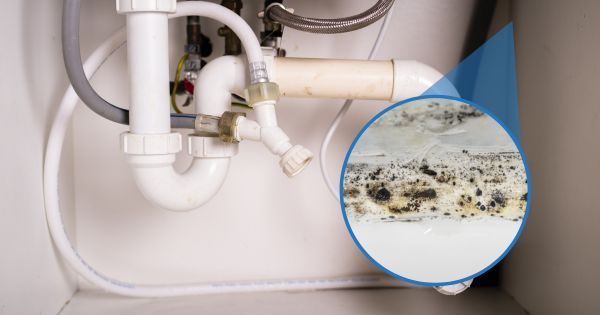
Mold Encapsulation in Palm Bay After Plumbing Leaks: A Step-by-Step Explanation
Plumbing leaks are one of the most common causes of hidden moisture problems in Palm Bay homes. Whether it’s a slow drip behind a bathroom wall, a leaking supply line under a kitchen sink, or a slab leak beneath tile flooring, water from plumbing failures can spread quietly before anyone notices.
In Florida’s humid coastal climate, even a small plumbing leak can create the right conditions for mold growth within 24–48 hours. Once moisture saturates drywall, insulation, or wood framing, mold remediation becomes necessary. In some cases—after proper cleaning and structural drying—mold encapsulation is recommended to provide long-term protection.
Understanding how mold encapsulation works after plumbing leaks, and why it must follow a careful step-by-step process, helps Palm Bay homeowners protect their property properly.
Why Plumbing Leaks Create Serious Mold Risks in Palm Bay
Palm Bay’s environment amplifies the impact of plumbing failures.
Several factors increase vulnerability:
-
High year-round humidity
-
Slab foundation construction
-
Warm temperatures that accelerate microbial growth
-
Attic and wall cavity insulation that traps moisture
-
Extended AC usage contributing to condensation
Even a minor plumbing drip can raise humidity levels inside enclosed spaces.
Unlike storm-related flooding, plumbing leaks often remain hidden longer. That delay allows moisture to penetrate structural materials.
Common Plumbing Leak Scenarios in Palm Bay Homes
Mold encapsulation cases frequently follow these types of plumbing failures:
Under-Sink Leaks
Slow drips inside cabinetry soak drywall and framing behind walls.
Refrigerator Water Line Failures
Water spreads beneath flooring and into lower wall sections.
Bathroom Supply Line Leaks
Hidden leaks behind tile or drywall saturate studs and insulation.
Slab Leaks
Water travels upward from beneath the foundation.
Washing Machine Overflows
Rapid water release soaks subfloor systems and lower framing.
In each situation, moisture spreads before visible damage appears.
Step 1: Identify and Stop the Leak
Encapsulation is never the first step.
The plumbing source must be fully repaired.
This may involve:
-
Replacing supply lines
-
Repairing drain pipes
-
Addressing slab leak plumbing
-
Fixing faulty connections
-
Re-securing water lines
Without correcting the leak, moisture problems will return.
Companies such as Inspections and More FL emphasize source correction before any remediation or encapsulation work begins.
Step 2: Moisture Detection and Mapping
After leak repair, professionals assess the full extent of moisture spread.
This includes:
-
Thermal imaging to detect hidden damp areas
-
Moisture meter readings on drywall and framing
-
Slab edge testing in concrete homes
-
Inspection of adjacent rooms
Water rarely stays in one location. Mapping prevents incomplete remediation.
Step 3: Remove Saturated Materials
Porous materials that cannot be dried effectively must be removed.
Common removals include:
-
Wet drywall sections
-
Damp insulation
-
Water-damaged baseboards
-
Compromised subfloor panels
Removing moisture reservoirs accelerates drying and reduces mold risk.
Step 4: Mold Remediation
Encapsulation should only occur after proper mold remediation.
This process typically involves:
-
HEPA vacuuming of affected surfaces
-
Antimicrobial cleaning solutions
-
Careful containment to prevent spore spread
-
Air filtration support
Surface cleaning must be thorough. Encapsulation is not a substitute for remediation.
Step 5: Structural Drying
Palm Bay’s humidity slows natural drying.
Industrial dehumidifiers and air movers are used to:
-
Reduce ambient humidity
-
Evaporate moisture from framing
-
Stabilize slab edges
-
Dry subfloor systems
Moisture readings are monitored daily.
Encapsulation must not occur until dryness is confirmed.
Step 6: Confirm Acceptable Moisture Levels
Moisture meters verify that:
-
Wood framing has returned to safe moisture content
-
Concrete slabs are stable
-
No hidden damp pockets remain
Skipping this step risks trapping moisture beneath encapsulation coatings.
Step 7: Apply Mold Encapsulation Coating
Once surfaces are clean and dry, encapsulation coatings are applied to exposed structural materials.
Encapsulation helps by:
-
Sealing porous wood fibers
-
Reducing moisture absorption
-
Providing an additional barrier against humidity
-
Limiting mold re-colonization
-
Stabilizing treated framing
In Palm Bay’s humid climate, this added protection can reduce future risk.
Why Encapsulation Is Beneficial After Plumbing Leaks
Plumbing leaks often affect enclosed spaces—behind walls, beneath cabinets, or along slab edges.
Encapsulation provides:
-
Long-term surface protection
-
Increased resistance to humidity cycles
-
Reinforcement of cleaned framing
-
Added protection in slab-adjacent areas
It is especially useful in homes where humidity remains elevated seasonally.
Challenges of Encapsulation in Slab Foundation Homes
Many Palm Bay homes sit on slab foundations.
After plumbing leaks:
-
Concrete may retain moisture longer
-
Lower wall plates absorb dampness
-
Flooring systems may trap residual moisture
Encapsulation must follow complete slab moisture stabilization.
Applying coatings prematurely can trap moisture.
Cost Factors to Consider
Costs depend on:
-
Size of affected area
-
Accessibility of wall cavities
-
Amount of material removal
-
Drying duration
-
Extent of mold growth
Early detection of plumbing leaks significantly reduces overall restoration costs.
Delays increase structural involvement.
Preventing Future Plumbing-Related Mold Issues
Palm Bay homeowners can reduce risk by:
-
Inspecting supply lines annually
-
Installing leak detection devices
-
Monitoring indoor humidity (45–55%)
-
Checking cabinets for dampness
-
Inspecting slab edges after appliance failures
-
Scheduling moisture inspections when concerns arise
Routine vigilance protects structural materials.
Why Local Experience Matters
Palm Bay’s environment includes:
-
Elevated humidity levels
-
Lagoon-driven moisture cycles
-
Frequent storm systems
-
Slab-on-grade construction
-
Extended cooling seasons
Professionals familiar with Palm Bay, Melbourne, Cocoa, Merritt Island, and Sanford understand how plumbing leaks interact with Florida’s climate.
Local expertise ensures encapsulation is recommended appropriately and applied correctly.
The Long-Term Value of Proper Encapsulation
When done correctly, mold encapsulation:
-
Protects structural framing
-
Reduces recurrence risk
-
Improves durability of treated areas
-
Stabilizes surfaces against humidity
-
Supports long-term property value
It becomes part of a comprehensive moisture management strategy.
A Practical Takeaway for Palm Bay Homeowners
Plumbing leaks in Palm Bay homes can quietly introduce moisture into walls, slab edges, and subfloor systems. Even after the leak is repaired, hidden dampness may remain.
Mold encapsulation becomes necessary only after:
-
Source correction
-
Thorough moisture detection
-
Material removal
-
Mold remediation
-
Structural drying
-
Confirmed moisture stabilization
Encapsulation protects cleaned surfaces from future humidity exposure, adding resilience in Florida’s humid coastal climate.
By following a structured, step-by-step approach, Palm Bay homeowners can prevent plumbing-related moisture events from developing into long-term structural concerns.