
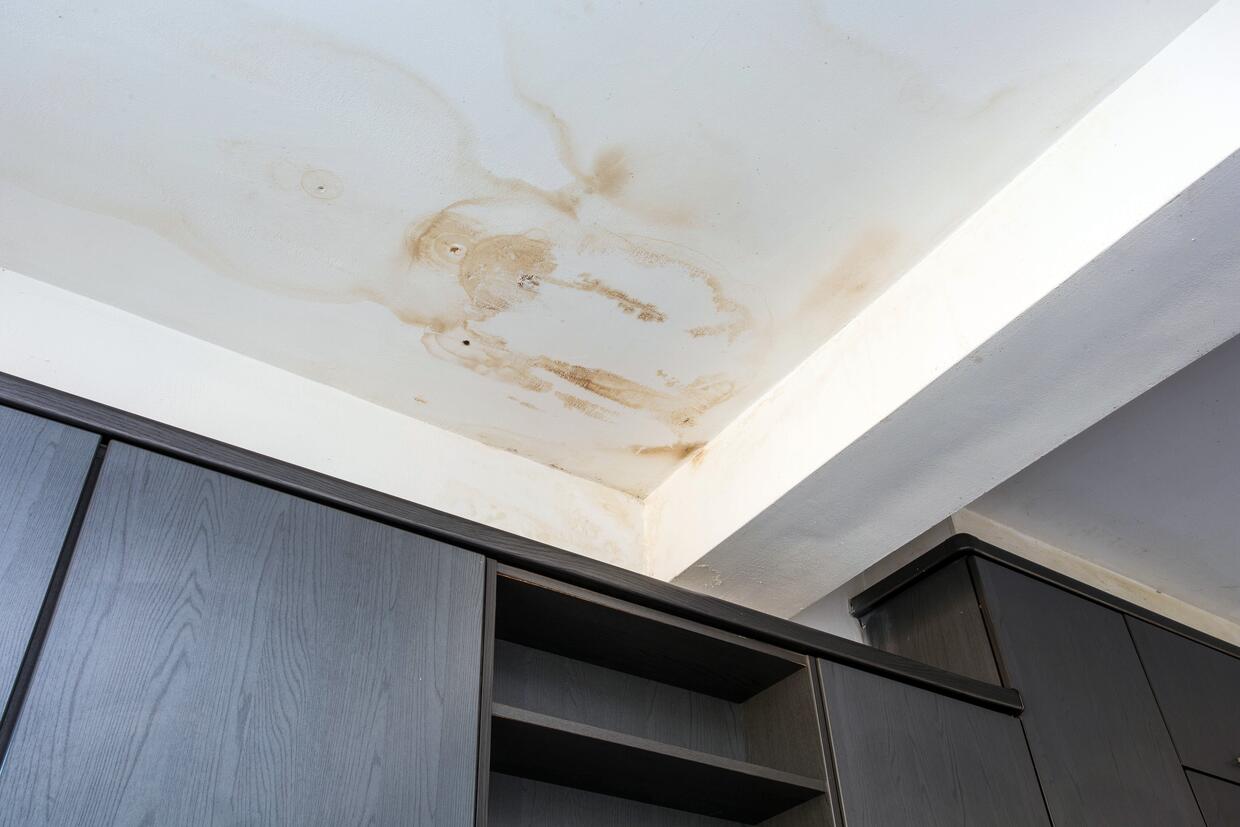
Mold Remediation in Cocoa after Roof Failures: What Most People Overlook
Roof failures in Cocoa rarely feel small. One strong storm rolls through Brevard County, the wind shifts just right, and suddenly water finds a way in. Sometimes it’s obvious—dripping from the ceiling into a bucket. Other times, it’s subtle. A small leak near flashing. A lifted shingle. A slow drip into insulation that no one notices until weeks later.
Here’s what most people overlook: the roof isn’t the only problem. By the time water shows up inside your home, it has often traveled, absorbed, and settled into materials that don’t dry easily in Florida’s humidity. And that’s where mold remediation becomes necessary.
In Cocoa and surrounding areas like Merritt Island, Rockledge, and Palm Bay, roof-related moisture issues behave differently than they do in drier climates. The combination of high humidity, salt air exposure, and heavy seasonal rain creates the perfect environment for mold to establish quickly—especially when drying is incomplete.
Let’s walk through what homeowners frequently miss after a roof failure and why proper mold remediation matters more than most realize.
What Actually Happens After a Roof Leak
When a roof fails, water doesn’t just soak the ceiling drywall and stop. It usually follows this path:
- Water enters through damaged shingles or flashing
- It wets roof decking and attic insulation
- It travels along rafters and framing
- It drips or seeps into ceiling cavities
- It spreads sideways along drywall seams
- It collects at baseboards or inside wall cavities
In Cocoa’s humid climate, wet materials don’t dry quickly—even if the visible leak stops. Insulation traps moisture. Wood framing absorbs it. Drywall holds it. Within 24 to 48 hours, mold can begin to develop if drying hasn’t started properly.
Many homeowners assume once the roof patch is complete, the issue is resolved. But repairing the roof and addressing interior moisture are two very different processes.
Why Cocoa Homes Are Especially Vulnerable
Cocoa sits close to the coast. That means:
- High ambient humidity year-round
- Wind-driven rain during storms
- Salt air that degrades roofing materials faster
- Afternoon thunderstorms that push water sideways
- Older homes with aging roof systems
When roof materials weaken, even small failures allow water intrusion. And because humidity levels remain high, even minor moisture can linger longer than expected.
In homes near the Indian River Lagoon or other waterfront areas, moisture loads can be even higher. This increases the risk of mold growth after roof failures if drying is incomplete.
What Most People Overlook
1. Attic Contamination
Homeowners often focus on ceiling stains but forget about the attic.
Roof leaks almost always affect:
- Insulation
- Roof decking
- Rafters
- Trusses
- Ventilation systems
Wet insulation loses effectiveness and can become a mold reservoir. Even if the ceiling below appears dry, attic framing may remain damp and support growth.
2. Hidden Wall Cavity Moisture
Water that enters through a roof doesn’t always drip straight down. It can travel along framing and enter walls.
Common overlooked areas include:
- Interior partition walls below the leak
- Closet ceilings and walls
- Cabinet tops near exterior walls
- AC return chases
Without moisture detection tools, these hidden areas go unchecked.
3. Incomplete Drying
Surface drying is not structural drying.
Running a few household fans may dry the visible ceiling, but moisture inside insulation or behind drywall often remains. In Cocoa’s humidity, trapped moisture can reactivate mold growth long after the storm passes.
4. HVAC Contamination
If the leak occurs near return vents or attic ductwork, spores can circulate through the system.
Mold growth near duct systems can:
- Spread spores to multiple rooms
- Impact indoor air quality
- Reintroduce odors even after cleanup
This is frequently missed during quick repairs.
Why DIY Cleanup Often Fails
Bleach does not solve structural mold issues. It may lighten staining on the surface, but it does not remove deeply embedded growth or correct moisture conditions.
Common DIY mistakes include:
- Painting over stains without drying
- Using household cleaners on porous materials
- Ignoring attic insulation
- Skipping moisture readings
- Failing to control humidity during drying
Without correcting moisture sources and removing affected materials properly, mold returns.
What Professional Mold Remediation Involves
Proper mold remediation after roof failures follows a structured process.
1. Full Inspection and Moisture Detection
This includes:
- Visual inspection
- Moisture meter readings
- Thermal imaging to detect hidden damp zones
- Attic evaluation
- Humidity measurement
Understanding the full scope prevents incomplete remediation.
2. Containment
If mold is confirmed, affected areas are isolated to prevent cross-contamination.
Containment may include:
- Plastic barriers
- Controlled airflow
- Negative air pressure systems
This step prevents spores from spreading during removal.
3. Removal of Contaminated Materials
Porous materials like:
- Wet insulation
- Severely affected drywall
- Water-damaged ceiling materials
may require removal when contamination is extensive.
4. HEPA Air Scrubbing
Air scrubbers capture airborne particles during remediation, improving air quality and reducing spore circulation.
5. Targeted Cleaning and Treatment
Professionals use appropriate antimicrobial solutions for:
- Structural wood
- Framing
- Non-porous surfaces
Anti-microbial fogging may be used in specific scenarios, but it is never a shortcut for proper cleaning.
6. Structural Dryout
Dehumidification and air blower installation help:
- Reduce moisture levels in materials
- Lower indoor humidity
- Prevent future growth
Drying continues until readings return to acceptable levels.
7. Prevention and Source Correction
Roof repair must be complete and secure. Flashing, seals, and penetrations should be inspected thoroughly. Ventilation improvements may also be recommended to reduce future moisture buildup.
Signs Mold Remediation May Be Necessary
After a roof failure, watch for:
- Persistent musty odors
- Dark staining on ceilings
- Soft drywall
- Peeling paint
- Increased indoor humidity
- Allergy-like symptoms when indoors
- Visible attic discoloration
Even small roof failures can cause hidden contamination if moisture lingers.
Why Local Experience Matters in Cocoa
Roof failures in Cocoa behave differently than in inland dry climates. Professionals familiar with Brevard County understand:
- How coastal wind patterns drive rain into small gaps
- How high humidity slows drying
- How slab foundations trap moisture
- How salt air accelerates roof wear
- How attic ventilation impacts mold risk
Inspections and More FL approaches mold remediation with local knowledge and a calm, methodical process. The goal is to restore safe conditions without unnecessary demolition or alarm.
A Balanced, Professional Next Step
If your Cocoa home experienced a roof failure—whether major or minor—don’t assume the problem ended with the roof repair. Hidden moisture and mold can remain long after visible signs fade.
A professional mold remediation evaluation ensures that:
- Moisture levels are verified
- Hidden contamination is addressed
- Drying is complete
- Indoor air remains stable
Florida’s climate doesn’t forgive overlooked moisture. Addressing it properly protects your home’s structure, indoor environment, and long-term value.
