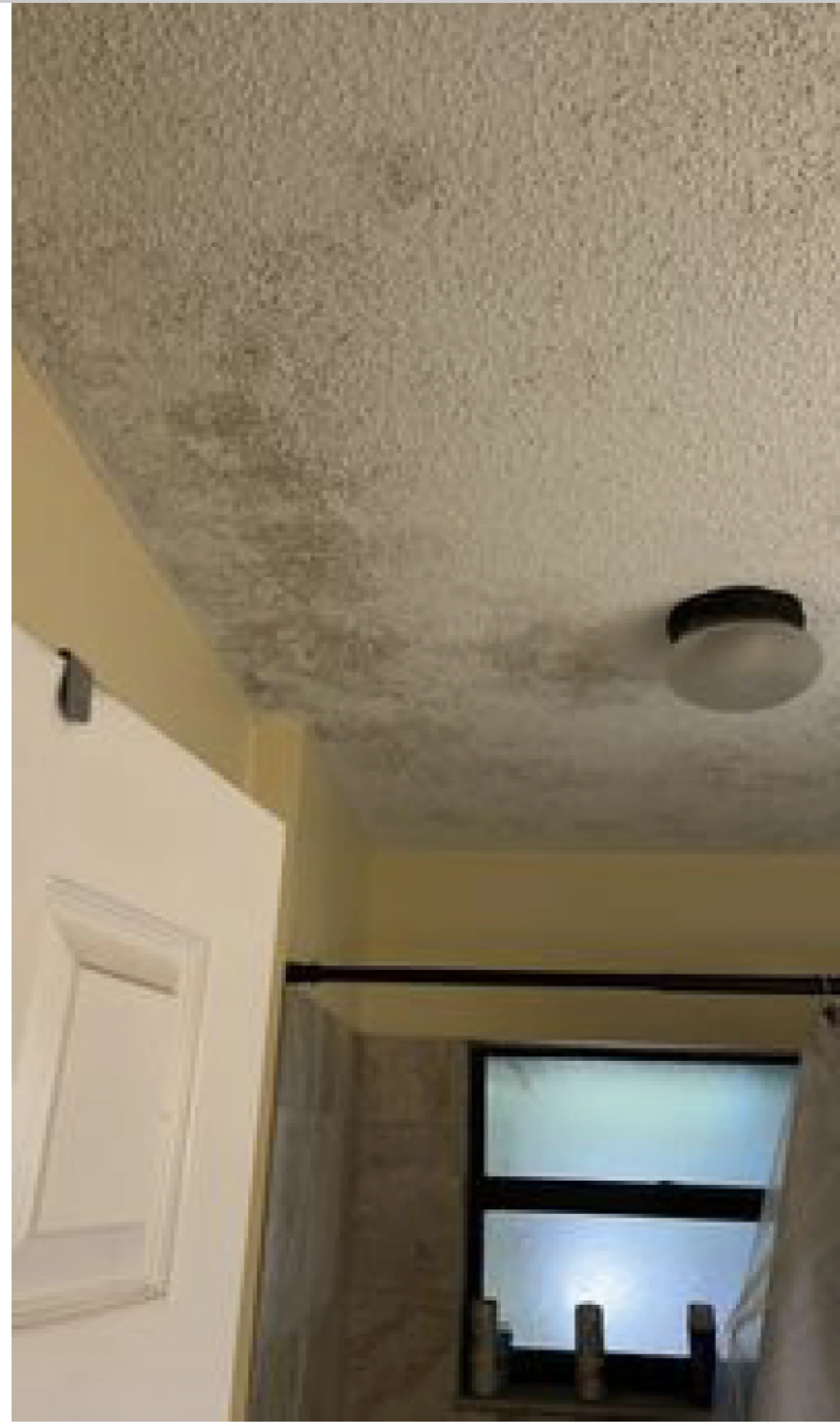
Mold Remediation in Cocoa Following Hurricane Damage: How Early Detection Saves Money
In Cocoa, hurricane season doesn’t just test roofs and windows. It tests moisture control.
After a major storm moves through Brevard County, many homes appear fine at first glance. The shingles may still be in place. There may be no standing water inside. But wind-driven rain, high humidity, and saturated soil often leave something behind — hidden moisture.
In Florida’s climate, that hidden moisture can turn into mold quickly. And when mold remediation is delayed, repair costs rise fast.
The good news? Early detection changes everything.
Let’s take a closer look at why mold remediation becomes necessary after hurricane damage in Cocoa — and how catching problems early protects both your property and your budget.
What Hurricane Damage Really Does to Cocoa Homes
When a hurricane hits Cocoa, homes are exposed to more than heavy rain.
Storm conditions bring:
- Wind-driven rain forced under shingles
- Roof flashing displacement
- Soffit and fascia damage
- Window seal failure
- Saturated exterior walls
- Rising groundwater near slab foundations
Even without obvious flooding, moisture can enter through small openings.
Once inside, it spreads quietly through:
- Attic insulation
- Wall cavities
- Ceiling drywall
- Subfloor layers
- Slab edges
Because Cocoa sits near the coast and experiences high humidity year-round, materials don’t dry naturally.
That’s where mold risk begins.
Why Florida’s Climate Accelerates Mold Growth
In Cocoa, post-storm conditions are often worse than the storm itself.
Persistent Humidity
After a hurricane passes, humidity levels remain elevated. Damp building materials stay wet longer.
Warm Temperatures
Heat combined with moisture creates ideal conditions for mold growth within 24–48 hours.
Repeated Rain Cycles
Storm systems sometimes arrive in clusters. Homes don’t have time to dry between events.
This combination makes early moisture detection critical.
Waiting allows mold to develop behind surfaces where it’s harder — and more expensive — to remove.
Common Hidden Areas Affected After Hurricanes
In Cocoa homes, mold remediation often traces back to moisture that was never visible.
Frequent hidden zones include:
- Attic decking and insulation
- Upper wall cavities near rooflines
- Behind baseboards along exterior walls
- Beneath laminate or vinyl flooring
- Around sliding glass doors
- Garage wall transitions
Ceiling stains are often just the visible symptom. The real moisture may extend several feet beyond the mark.
Early detection identifies these areas before contamination spreads.
The Role of Professional Moisture Detection
After hurricane damage, proper evaluation includes more than a visual check.
In Cocoa homes, inspections typically involve:
- Full visual assessment
- Moisture meter testing
- Thermal imaging scans
- Attic evaluation
- Slab edge inspection
- Indoor humidity measurement
Thermal imaging identifies cooler areas that may indicate hidden dampness.
Moisture meters confirm whether framing, drywall, or subfloors remain elevated beyond safe levels.
At Inspections and More FL, post-hurricane inspections in Cocoa often uncover moisture patterns homeowners didn’t suspect. Catching these early significantly reduces remediation scope.
How Early Detection Saves Money
The financial difference between early detection and delayed action is substantial.
When Moisture Is Found Early:
- Targeted drying is possible
- Limited drywall removal may be needed
- Insulation may be salvageable
- Mold remediation may be avoided entirely
- Structural damage remains minimal
When Detection Is Delayed:
- Mold spreads behind walls
- Insulation requires full replacement
- Containment becomes extensive
- Flooring removal may be necessary
- HVAC cleaning may be required
- Reconstruction costs increase
Florida’s humidity speeds up the timeline from dampness to contamination.
Early moisture detection reduces the scale of intervention.
What Mold Remediation Involves After Hurricanes
If contamination has already developed, a structured remediation plan follows.
This typically includes:
1. Containment
Affected areas are isolated to prevent cross-contamination.
2. HEPA Air Scrubbing
Air scrubbers capture airborne spores and particles.
3. Removal of Damaged Materials
Saturated drywall, insulation, and porous materials are removed as needed.
4. Structural Drying
Air blowers and commercial dehumidifiers dry framing and subfloors.
5. Anti-Microbial Treatment
Exposed structural components may receive targeted treatment.
6. Moisture Verification
Final readings confirm safe moisture levels before rebuilding.
When moisture is addressed early, several of these steps may be reduced or unnecessary.
That’s where the savings occur.
HVAC Systems and Hurricane Moisture
In Cocoa homes, HVAC systems often run continuously after storms.
If moisture enters ductwork or air handlers, spores can circulate throughout the home.
Early inspection helps determine whether HVAC components were affected.
Cleaning and stabilizing airflow prevents widespread contamination.
Lessons Learned from Cocoa Storm Seasons
Local cases show consistent patterns:
- Small roof leaks led to larger attic contamination when not inspected
- Slab vapor intrusion was overlooked after saturated soil conditions
- Ceiling stains underestimated wall cavity moisture
- Delayed action increased reconstruction costs significantly
Homes that received immediate moisture detection after hurricane exposure experienced smaller, more manageable repairs.
The pattern is clear: early evaluation prevents larger remediation.
Prevention Strategies for Future Storm Seasons
Cocoa homeowners can reduce mold risk after hurricanes by:
- Scheduling roof inspections annually
- Checking attic spaces after major storms
- Monitoring indoor humidity levels
- Inspecting window and door seals
- Ensuring proper drainage away from the foundation
- Scheduling professional moisture detection after severe weather
Hurricane season is predictable in Florida. Early response should be part of routine property care.
Why Local Experience Matters in Cocoa
Moisture behaves differently in coastal Florida than in dry inland states.
Professionals familiar with Cocoa understand:
- How salt air affects roofing systems
- How slab foundations respond to saturated soil
- How attic heat influences moisture retention
- How humidity prolongs drying times
Thermal imaging interpretation and drying strategies must reflect these regional conditions.
Inspections and More FL applies Florida-specific knowledge when handling mold remediation following hurricane damage in Cocoa homes. That local expertise ensures accurate detection and efficient recovery.
Protecting Your Home Before Costs Escalate
Hurricanes in Cocoa are unavoidable. Escalating mold remediation costs are not.
Moisture detection following storm exposure provides clarity about what may be happening behind ceilings, inside walls, and beneath flooring.
Early evaluation allows for targeted drying and limited intervention. Delayed action often requires full-scale remediation.
If your home has experienced hurricane conditions — even without visible flooding — a professional inspection can determine whether hidden moisture remains.
In Florida’s climate, early detection doesn’t just protect your property. It protects your investment.