
Mold Removal in Melbourne After Flooding Events: A Step-by-Step Explanation
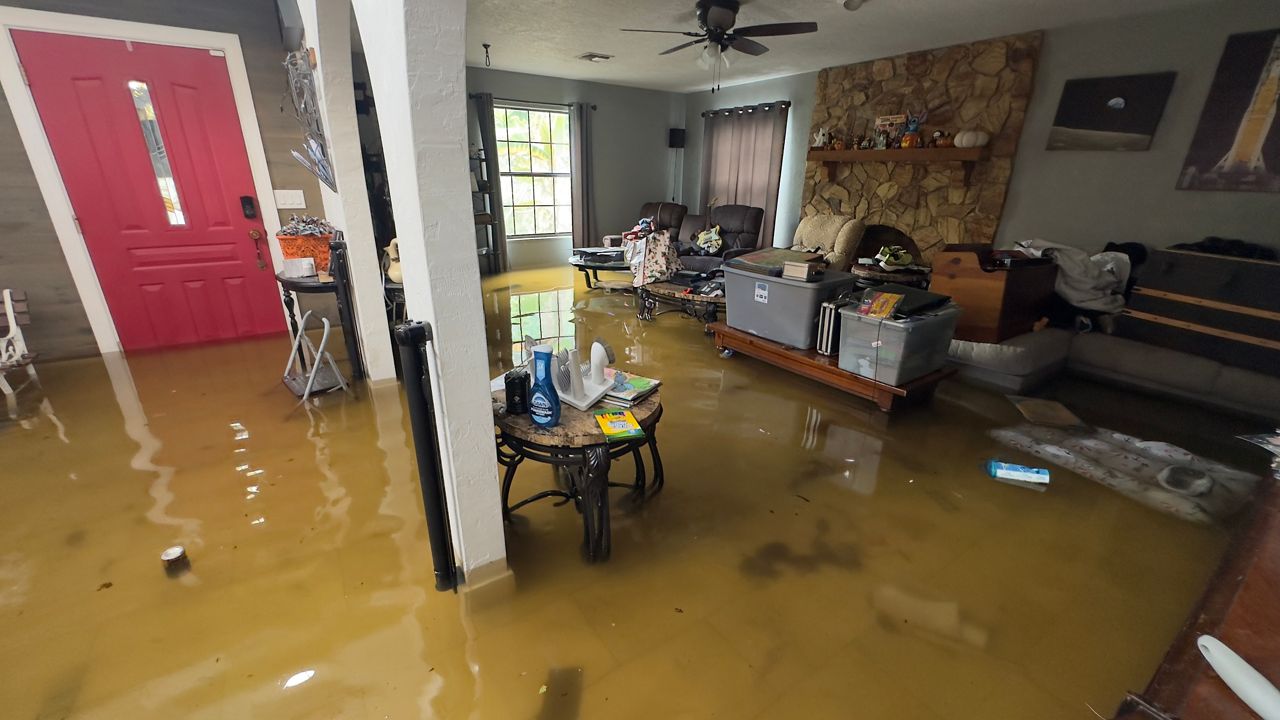
Flooding in Melbourne doesn’t have to reach several feet inside a home to cause serious problems.
Sometimes it’s storm surge pushing water inland. Other times it’s heavy rainfall overwhelming drainage systems or wind-driven rain entering through compromised roofing. In coastal and inland neighborhoods alike — from West Melbourne to areas closer to the Indian River — water intrusion can happen fast.
What catches many homeowners off guard is what happens next.
In Florida’s warm, humid climate, mold growth can begin within 24 to 48 hours after flooding. That’s why mold removal after flooding isn’t just cleanup — it’s a structured, step-by-step process designed to protect the home long term.
Here’s how it typically works.
Step 1: Immediate Moisture Assessment
The first priority after a flooding event is determining how far the water traveled.
In Melbourne homes, water often spreads into:
• Lower drywall sections
• Baseboards and trim
• Flooring underlayment
• Subfloors
• Wall cavities
• HVAC systems
Even if standing water is removed quickly, moisture may remain trapped behind finished surfaces.
Professionals begin with:
• Visual inspection
• Thermal imaging scans
• Moisture meter readings
• Humidity measurements
This mapping process defines the scope before removal begins.
Skipping assessment leads to missed contamination.
Step 2: Stop and Correct the Source
Before mold removal can begin, the water source must be addressed.
Depending on the flooding cause, this may involve:
• Roof repair
• Exterior drainage correction
• Plumbing repair
• Window or door resealing
• Slab moisture evaluation
In Melbourne’s coastal climate, groundwater levels can remain elevated after heavy storms. If hydrostatic pressure beneath slab foundations isn’t considered, moisture may continue migrating upward.
Companies like Inspections and More FL prioritize source correction before moving forward with remediation.
Without fixing the source, mold returns.
Step 3: Containment of Affected Areas
Once moisture is confirmed and the source addressed, containment is established.
Containment prevents disturbed particles from spreading into unaffected rooms.
This typically includes:
• Plastic barrier installation
• Sealed work zones
• Negative air pressure when necessary
• HEPA air scrubbers running continuously
In open-concept homes common throughout Melbourne, containment protects the rest of the property during removal.
Step 4: Removal of Contaminated Materials
Floodwater often saturates porous materials.
After flooding events, removal commonly includes:
• Lower sections of drywall
• Insulation
• Baseboards
• Carpet and padding
• Engineered wood flooring
• Affected cabinetry
Materials that cannot be effectively dried are removed to eliminate contamination.
In slab homes, moisture may also affect adhesive layers beneath flooring.
Thorough removal prevents hidden growth from continuing behind new finishes.
Step 5: Structural Cleaning and Surface Treatment
After demolition, exposed framing and subfloors are inspected and cleaned.
This step may involve:
• HEPA vacuuming
• Surface wiping
• Anti-microbial application where appropriate
Cleaning focuses on exposed structural wood and sheathing.
It is not a substitute for material removal.
Proper sequencing ensures only clean, dry surfaces remain before rebuilding.
Step 6: Structural Drying and Dehumidification
Melbourne’s humid coastal air slows natural evaporation.
Air movers increase airflow across damp surfaces.
Commercial dehumidifiers extract moisture from the air.
Together, they:
• Accelerate drying
• Reduce indoor humidity
• Prevent secondary mold growth
• Stabilize wood and concrete moisture levels
Moisture readings are taken daily to track progress.
Drying continues until materials reach safe thresholds.
Stopping too early leads to recurring issues.
Step 7: HVAC Inspection and Cleaning
Flooding events can affect HVAC systems.
Moisture inside ducts or air handlers may distribute contamination throughout the home.
Inspections may include:
• Ductwork evaluation
• Air handler inspection
• Condensate line review
• Air filtration assessment
Air scrubbing may be used during drying to stabilize indoor air quality.
Ensuring the HVAC system is dry and clean protects long-term indoor comfort.
Step 8: Verification Before Rebuilding
Before reconstruction begins, moisture verification confirms that:
• Framing is dry
• Slab moisture is within safe range
• Humidity levels are stable
• No residual contamination remains
This step protects new drywall, flooring, and cabinetry from future damage.
Rebuilding over damp materials almost guarantees recurrence.
Why Quick Action Matters in Melbourne
Floodwater combined with Florida’s warmth creates ideal conditions for rapid mold development.
Delays increase:
• Containment area size
• Material removal scope
• Drying time
• Repair costs
Early intervention often limits remediation to lower wall sections rather than full structural replacement.
The first 48 hours are critical.
Special Considerations for Coastal Homes
Melbourne’s proximity to salt air and tidal influences adds complexity.
Salt residue left behind after flooding can:
• Accelerate material deterioration
• Increase corrosion of fasteners
• Affect drywall and framing integrity
Cleaning and drying must account for this environmental factor.
Local experience ensures proper evaluation of coastal impacts.
Preventing Future Flood-Related Mold Issues
After recovery, homeowners can reduce risk by:
• Improving exterior drainage
• Maintaining gutters and downspouts
• Installing sump systems if necessary
• Monitoring slab moisture
• Scheduling roof inspections before storm season
• Evaluating humidity levels year-round
Flood prevention and moisture management go hand in hand.
A Practical Next Step
If your Melbourne home has experienced flooding — even minor — scheduling a structured mold removal evaluation is a smart move.
Flood damage isn’t always visible.
Hidden moisture behind walls and beneath flooring can quietly compromise structural integrity.
A step-by-step approach ensures that contamination is removed, moisture is stabilized, and rebuilding occurs on a solid foundation.
In Florida’s humid coastal climate, quick action protects both your property and your peace of mind.
