Palm Bay Homes Dealing with Air Blower Installation in Waterfront Homes — How Moisture Spreads Silently
Waterfront living in Palm Bay offers beautiful views and steady breezes off the water. But those same coastal conditions bring elevated humidity, salt air exposure, and increased moisture pressure on homes year-round. When moisture enters wall cavities, slab edges, or attic spaces, it rarely announces itself immediately.
Instead, it spreads silently.
In Palm Bay waterfront properties — as well as nearby Merritt Island, Melbourne, Cocoa, and even inland toward Sanford — air blower installation often becomes part of the recovery process after hidden water intrusion. Air movers, sometimes called structural drying blowers, are used to push controlled airflow across damp materials and accelerate evaporation.
Understanding how moisture spreads and why air blower installation becomes necessary helps homeowners prevent long-term structural damage.
What the Issue Is
Moisture intrusion does not always result in standing water. In many Palm Bay waterfront homes, moisture enters slowly through:
- Wind-driven rain
- Roof flashing gaps
- Window seal deterioration
- Slab vapor transmission
- Minor plumbing leaks
- AC condensate overflow
- Exterior siding penetrations
Once inside, moisture migrates through porous materials such as drywall, insulation, wood framing, and subflooring. Because Florida’s humidity slows natural evaporation, dampness remains embedded inside structural components.
Air blower installation is part of a structured drying process designed to remove that embedded moisture before mold growth or material deterioration occurs.
Why This Happens So Often in Palm Bay Waterfront Homes
Waterfront properties experience elevated moisture pressure compared to inland homes.
Constant Humidity
Air near the water remains moisture-heavy throughout the year.
Salt Air Exposure
Coastal corrosion weakens flashing and exterior materials.
Frequent Storm Activity
Wind-driven rain penetrates small exterior openings.
High Water Table
Ground moisture increases vapor pressure under slab foundations.
Warm Temperatures
Heat accelerates mold growth when moisture is present.
Homes in Merritt Island and Cocoa near waterways face similar challenges. Even properties in Melbourne near the Indian River Lagoon experience sustained humidity cycles.
Moisture does not need to flood a home to create damage — it only needs time and trapped conditions.
How Moisture Spreads Silently
Moisture spreads in three primary ways:
- Capillary Action – Water moves sideways through porous materials.
- Vapor Diffusion – Humid air passes through drywall and insulation.
- Air Movement – HVAC systems circulate moist air through ducts.
In slab foundation homes common in Palm Bay, moisture may travel beneath flooring before rising into drywall. In attic spaces, condensation can drip onto insulation without being immediately visible below.
By the time visible staining or warping appears, dampness may already be widespread.
That is why early moisture detection and controlled airflow are essential.
Common Signs Property Owners Notice
Homeowners may observe:
- Musty odors
- Slightly warped flooring
- Peeling paint
- Ceiling discoloration
- Higher indoor humidity
- Uneven cooling
- Soft drywall near baseboards
These signs often indicate hidden dampness rather than surface water.
If moisture readings remain elevated after a leak or storm event, air blower installation may be necessary.
Why DIY Drying Often Fails
Many homeowners attempt to dry affected areas using:
- Box fans
- Open windows
- Household dehumidifiers
In Palm Bay’s coastal climate, these efforts often fall short.
Outdoor air is frequently humid, which slows evaporation. Without directional airflow and humidity control, moisture remains trapped in framing cavities.
DIY limitations include:
- No moisture measurement
- No pressure control
- Insufficient airflow volume
- No monitoring of drying progress
Without professional drying, moisture can remain embedded for weeks.
Professional Inspection & Detection Explained
Before installing air blowers, a structured evaluation is performed.
In Palm Bay waterfront homes, this typically includes:
Visual Inspection
Assessing rooflines, slab edges, and wall cavities.
Moisture Meter Testing
Measuring drywall, wood, and flooring moisture levels.
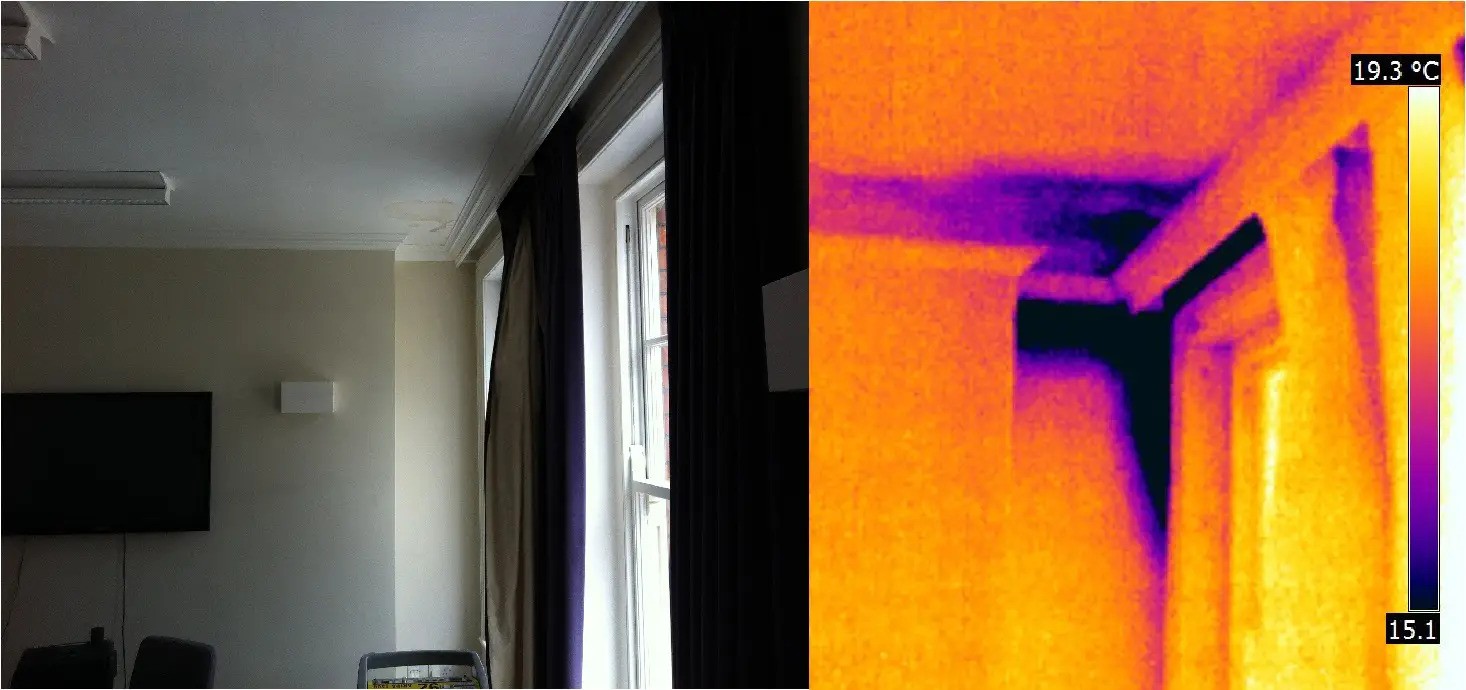
Thermal Imaging
Identifying hidden damp zones.
Hygrometer Monitoring
Checking indoor humidity stability.
HVAC Assessment
Ensuring ducts are not redistributing moisture.
Inspections and More FL often identifies hidden damp areas in waterfront homes even when surfaces appear dry.
Air blower installation is guided by measured data.
The Role of Air Blower Installation
Air blowers (air movers) are strategically placed to:
- Increase airflow across damp materials
- Promote evaporation
- Reduce moisture content in framing
- Support dehumidification systems
- Prevent mold activation
Air movers alone are not enough. They work in combination with industrial dehumidifiers to control indoor humidity and prevent reabsorption.
In slab homes, airflow may be directed beneath flooring or along wall cavities.
The goal is to restore structural materials to safe moisture levels.
How Air Blower Installation Protects Waterfront Homes
When properly used, structural air movement helps:
- Prevent mold growth
- Protect hardwood flooring
- Preserve drywall integrity
- Reduce wood rot risk
- Improve indoor air stability
- Prevent recurring moisture damage
Waterfront homes face continuous humidity pressure. Prompt drying limits the impact of each moisture event.
Ignoring embedded moisture often leads to larger remediation costs later.
Preventing Recurring Moisture Problems in Palm Bay
Homeowners can reduce risk by:
- Monitoring indoor humidity (45–55%)
- Maintaining roof flashing
- Cleaning AC condensate lines
- Installing vapor barriers when needed
- Improving attic ventilation
- Scheduling post-storm moisture evaluations
- Inspecting plumbing systems annually
Homes in Merritt Island, Melbourne, Cocoa, and Sanford benefit from similar preventive measures.
Routine inspections catch silent moisture spread early.
Why Local Florida Experience Matters
Moisture control in Palm Bay waterfront homes requires understanding coastal conditions.
Palm Bay’s:
- Elevated dew points
- Frequent storm cycles
- Salt air exposure
- Slab foundation prevalence
- Warm year-round temperatures
… create sustained moisture pressure.
Professionals familiar with Central Florida construction understand how moisture migrates through slab systems and wall assemblies.
Inspections and More FL approaches air blower installation with this localized expertise — ensuring drying is complete and moisture sources are corrected.
Experience prevents repeat issues.
A Calm, Practical Next Step
If your Palm Bay waterfront home has experienced a leak, storm intrusion, or persistent indoor dampness, early moisture detection can determine whether structural drying is necessary.
Air blower installation is not about reacting to visible water. It’s about addressing hidden dampness before it becomes mold growth or structural damage.
In Florida’s coastal climate, moisture spreads quietly.
With proper inspection, controlled airflow, and humidity management, waterfront homes can remain stable and protected throughout the year.