
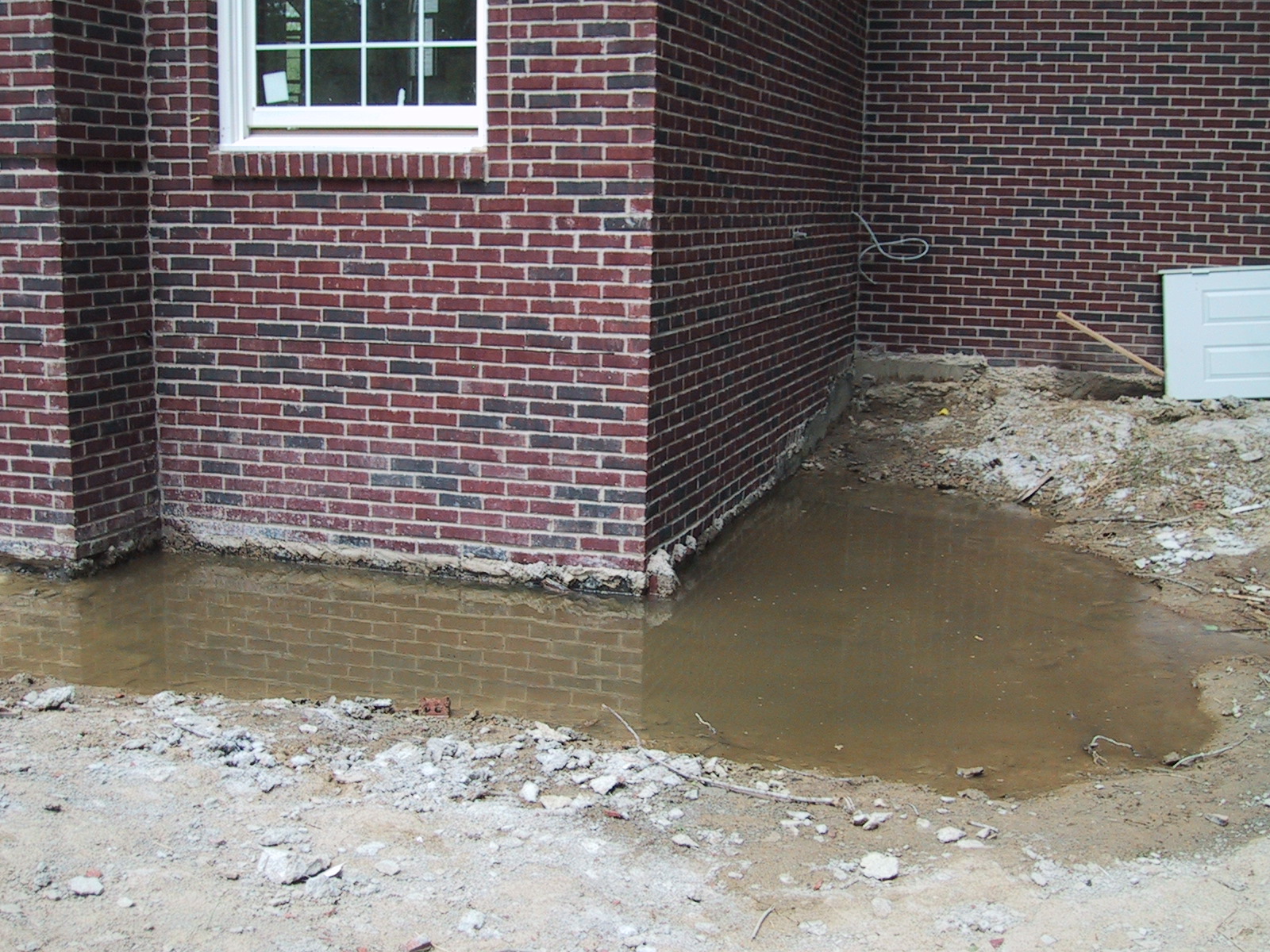
Palm Bay Homes Dealing With Anti-Microbial Fogging After Flooding Events — What Property Owners Should Understand
Flooding in Palm Bay can happen fast.
A stalled summer thunderstorm. A tropical system pushing rain sideways. Drainage overwhelmed after hours of steady downpour. In some cases, rising groundwater under slab foundations contributes to moisture intrusion from below.
When water enters a home, the immediate focus is usually extraction and cleanup. Floors get dried. Carpets get removed. Walls are wiped down.
But what happens after the visible water is gone is just as important — especially in Palm Bay’s humid environment.
One service that often comes up during flood recovery is anti-microbial fogging. Before agreeing to it, property owners should understand what it does, when it’s useful, and when it’s not enough on its own.
Why Flooding in Palm Bay Creates Ongoing Moisture Problems
Palm Bay homes face several environmental challenges that increase post-flood risk:
- High year-round humidity
- Slab foundations common throughout the area
- Elevated groundwater levels
- Frequent heavy rainstorms
- Nearly constant air conditioning use
When floodwater enters a property, it doesn’t just affect flooring.
It can soak into:
- Drywall and insulation
- Baseboards
- Subflooring
- Framing lumber
- Air handler compartments
Even after standing water is removed, moisture often remains trapped inside structural materials.
In Florida’s climate, natural drying is slow. That lingering moisture becomes the primary concern.
What Happens Inside the Walls After Flooding
Moisture spreads quietly.
It can:
- Travel upward through drywall
- Move along framing members
- Soak into insulation
- Migrate under flooring
- Enter attic spaces
Within 24 to 48 hours, damp organic materials can begin supporting microbial growth.
Because Palm Bay’s humidity stays elevated even after storms pass, materials may remain damp far longer than expected.
That’s why proper drying and evaluation matter.
What Anti-Microbial Fogging Actually Is
Anti-microbial fogging is a controlled treatment that disperses a fine mist of antimicrobial solution throughout a contained space.
The goal is to:
- Reduce microbial contamination levels
- Treat exposed structural surfaces
- Reach crevices that wiping cannot
- Assist with odor control
The droplets are extremely small, allowing more even coverage across surfaces.
But fogging is not a replacement for drying or removal of saturated materials.
It is typically used after moisture has been addressed.
What Property Owners Should Understand About Fogging
1. Fogging Is Not a Shortcut
If drywall or insulation is saturated, those materials may need removal.
Fogging alone cannot fix water-damaged building materials.
2. Drying Comes First
Before any antimicrobial treatment is applied, structural drying must occur.
This often includes:
- Moisture mapping
- Dehumidification
- Air movement
- Removal of heavily saturated sections
Applying fogging before drying can trap moisture inside cavities.
3. It Works Best as a Finishing Step
Fogging is most effective after:
- Wet materials have been removed
- Structural components are dry
- Surfaces have been cleaned
It supports the remediation process — it does not replace it.
When Fogging May Be Recommended in Palm Bay
Anti-microbial fogging may be appropriate when:
- Floodwater affected structural materials
- Surface contamination is present
- Odors persist after drying
- Materials have already been cleaned and dried
- Containment is in place
It is one tool among several used during post-flood remediation.
Not every flood event requires it.
An evaluation determines whether it is necessary.
The Importance of Moisture Detection
In Palm Bay homes, moisture often hides behind walls or beneath floors.
Professional evaluation typically includes:
- Moisture meter readings
- Thermal imaging scans
- Humidity measurements
- HVAC inspection
These tools help determine the true extent of water spread.
Without moisture detection, decisions about fogging may be premature or incomplete.
Why DIY Fogging Can Be Risky
Some property owners consider renting or purchasing fogging equipment.
Common problems with DIY fogging include:
- Treating surfaces before drying is complete
- Skipping removal of contaminated materials
- Failing to isolate affected areas
- Ignoring HVAC systems
Without professional moisture mapping, it’s impossible to confirm conditions are ready for treatment.
Improper application can lead to recurring issues.
The Role of Structural Drying in Flood Recovery
Structural drying is often the most important step after flooding in Palm Bay.
It involves:
- Commercial dehumidifiers
- High-velocity air movers
- Continuous moisture monitoring
Because humidity outside remains high, indoor drying must be controlled mechanically.
Skipping or shortening this stage increases the risk of hidden contamination.
Special Considerations for Slab Homes
Many Palm Bay properties are built on slab foundations.
After flooding, moisture can:
- Travel upward through porous materials
- Remain trapped under flooring
- Affect baseboards and lower wall sections
Ground moisture and floodwater combined can extend drying timelines.
Evaluating slab moisture is an important part of post-flood assessment.
Long-Term Risks of Incomplete Flood Recovery
If flood-related moisture is not properly addressed, property owners may experience:
- Persistent musty odors
- Warped drywall
- Mold growth behind walls
- Reduced insulation performance
- Recurring humidity issues
What begins as a manageable cleanup can evolve into more extensive remediation later.
Addressing moisture thoroughly protects the property’s structural integrity.
Why Local Experience Matters in Palm Bay
Flooding patterns in Palm Bay differ from inland regions.
High humidity, slab construction, and heavy seasonal rain create specific moisture behaviors.
A professional familiar with local conditions understands:
- How water migrates through slab homes
- Common intrusion points after storms
- How AC systems influence indoor moisture levels
- The drying timelines typical for coastal Florida
Inspections and More FL works regularly with Palm Bay property owners facing these exact challenges.
Local knowledge leads to more accurate evaluations and appropriate use of treatments like anti-microbial fogging.
A Practical Next Step After Flooding
If your Palm Bay home has experienced flooding — even if it appeared minor — scheduling a structured evaluation is a practical decision.
Anti-microbial fogging may be recommended.
Or the solution may involve targeted drying and limited material removal.
The important part is determining:
- Whether moisture remains
- Whether structural materials are compromised
- Whether further treatment is necessary
Flood recovery is not just about removing water.
It’s about restoring stable, dry conditions inside the structure.
Handled properly, your home can recover fully and safely.
