
Palm Bay Homes Dealing with Dehumidification in Older Florida Homes — How Professionals Approach the Issue
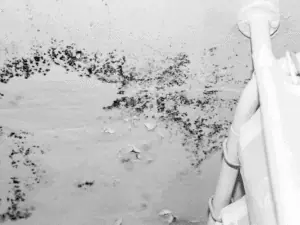
Older homes in Palm Bay have a unique charm—high ceilings, hardwood floors, and classic layouts—but they also present special challenges when it comes to moisture control and dehumidification. Florida’s high humidity, coastal air, and frequent rainstorms create an environment where moisture can accumulate quickly, especially in older construction. Without proper dehumidification, homeowners may face persistent dampness, mold growth, wood rot, and even structural deterioration.
Professional dehumidification goes far beyond running a portable unit. Experts assess the home, identify hidden moisture sources, and implement systems designed to protect older homes while maintaining comfort. This article explores why older Palm Bay homes are particularly susceptible, the challenges professionals encounter, and the strategies used to manage humidity effectively.
What the Issue Is
Older homes often have unique features that make moisture control complicated:
- Slab foundations or raised floors – Older construction may lack modern vapor barriers.
- Aging plumbing and HVAC systems – Leaks or inefficient systems can increase indoor moisture.
- Limited insulation or ventilation – Attics, crawl spaces, and wall cavities often trap humid air.
- Older materials – Wood framing, plaster walls, and older flooring absorb and retain moisture more readily.
Without professional intervention, high humidity levels can lead to:
- Mold growth in attics, crawl spaces, and behind walls
- Warped or buckled flooring
- Musty odors throughout the home
- Compromised indoor air quality
- Long-term structural weakening
Dehumidification is a key tool in preventing these problems, but it must be applied strategically in older homes.
Why This Happens So Often in Older Palm Bay Homes
Several local and construction factors contribute to humidity issues:
- High Florida humidity – Outdoor air with 70–80% humidity easily penetrates older homes.
- Coastal salt air – Salt-laden air can affect building materials, increasing moisture absorption.
- Storm-driven water intrusion – Roof leaks, siding failures, and window penetrations often affect older homes.
- Aging HVAC systems – Inefficient or improperly sized units may not dehumidify effectively.
- Poor ventilation in attics and crawl spaces – Older homes often lack proper vents, allowing moisture to accumulate.
- Slab-on-grade foundations – Without modern moisture barriers, water can seep upward into floors and walls.
These factors make older Palm Bay homes especially vulnerable to humidity-related issues and underscore the need for professional dehumidification solutions.
Common Signs Homeowners Notice
Even without specialized equipment, there are clear warning signs that humidity is a problem:
- Musty or damp odors – Often first noticed in basements, crawl spaces, or closets.
- Warped or cupping hardwood floors – Moisture has penetrated subflooring.
- Peeling paint or wallpaper – High humidity affects wall finishes.
- Condensation on windows or pipes – Indicates elevated indoor moisture levels.
- Mold growth – Visible in attics, wall cavities, or behind appliances.
- Allergy symptoms – Increased sneezing, coughing, or respiratory irritation due to mold spores.
While these signs indicate a problem, proper moisture detection and professional assessment are critical to fully address hidden issues.
Hidden or Overlooked Sources
Moisture in older homes often originates from areas homeowners rarely check:
- Crawl spaces – Trapped humidity under floors can affect subflooring and wall cavities.
- Attic insulation – Poorly ventilated or saturated insulation allows mold growth.
- Wall cavities – Plumbing leaks or condensation from AC units can dampen framing and drywall.
- HVAC ductwork – Moisture may accumulate in poorly insulated or leaky ducts.
- Slab foundation seepage – Water can migrate upward through concrete floors.
Identifying these hidden sources is essential for effective dehumidification and long-term moisture control.
Why DIY Attempts Usually Fail
Many homeowners try to control humidity with portable units or fans, but DIY efforts often fall short:
- Inconsistent coverage – Small units may not reach crawl spaces, attics, or wall cavities.
- No monitoring – Without moisture meters, homeowners cannot verify that humidity levels are safe.
- Incomplete drying – Fans may evaporate surface moisture while hidden areas remain damp.
- Spore spread – Improper drying or disturbance of damp areas can release mold spores into the home.
Professional dehumidification ensures that moisture is removed comprehensively, protecting the home and preventing regrowth.
Professional Dehumidification Explained
Experts approach older homes in Palm Bay with a multi-step, strategic process:
- Inspection and moisture assessment – Identify problem areas using moisture meters, thermal imaging, and visual inspection.
- Targeted equipment placement – High-capacity dehumidifiers and air movers are positioned for maximum efficiency in attics, crawl spaces, and main living areas.
- Controlled airflow management – Professionals create airflow patterns that reach hidden cavities and subflooring.
- Monitoring and adjustment – Humidity levels are tracked continuously to ensure proper drying without over-drying materials.
- Integration with HVAC systems – Existing air conditioning and ductwork are evaluated for optimal humidity control.
- Follow-up inspection – Confirms that all areas are dry, and structural materials are safe for long-term use.
This professional approach addresses both visible and hidden moisture, ensuring a comprehensive solution.
How Dehumidification Protects Older Homes
Proper dehumidification provides multiple benefits for Palm Bay homeowners:
- Prevents mold growth – Eliminates the damp environment mold needs to thrive.
- Protects structural elements – Reduces the risk of wood rot, drywall degradation, and flooring warping.
- Improves indoor air quality – Lowers humidity to safe levels, reducing allergens and musty odors.
- Enhances energy efficiency – Dry, well-ventilated spaces allow HVAC systems to operate more effectively.
- Reduces long-term repair costs – Prevents moisture-related structural damage before it becomes severe.
Professionals not only remove existing moisture but also implement preventive strategies to maintain dry, healthy homes.
Preventive Measures for Homeowners
Homeowners can support professional efforts and reduce future moisture problems:
- Routine inspections – Check plumbing, roofing, and HVAC systems regularly.
- Install humidity monitors – Early alerts for rising indoor moisture levels.
- Maintain proper ventilation – Use vents, exhaust fans, and attic fans to circulate air.
- Seal entry points – Caulk around windows, doors, and exterior penetrations.
- Post-storm evaluation – Inspect crawl spaces, attics, and walls after heavy rains or hurricanes.
- Regular AC maintenance – Ensure condensate lines are clear and units operate efficiently.
Combining these steps with professional dehumidification ensures long-term moisture control.
