
Palm Bay Homes Dealing with Mold Remediation After Flooding Events — How Early Detection Saves Money
Flooding events are something many Palm Bay homeowners have experienced at least once. Whether it’s a tropical system pushing rain bands inland, a stalled summer thunderstorm dropping inches of rain in a few hours, or a plumbing failure during heavy weather, water intrusion is not uncommon in this part of Florida.
What often surprises property owners is how quickly small flooding incidents turn into larger mold remediation projects. The water may be removed in a day, but the hidden moisture left behind can quietly damage drywall, insulation, flooring, and framing. In Palm Bay’s warm, humid climate, mold growth can begin sooner than many people expect.
This is where early detection becomes critical. Identifying moisture immediately after a flooding event can dramatically reduce remediation costs and prevent extensive structural repairs.
What Happens After Flooding in Palm Bay Homes
When water enters a home, it spreads beyond what is visible. Even shallow standing water can affect:
- Lower drywall sections
- Baseboards and trim
- Cabinet bases
- Engineered wood and laminate flooring
- Subflooring
- Insulation inside wall cavities
- Concrete slab edges
Drywall acts like a sponge. It wicks water upward from the floor. Concrete slabs absorb moisture and release it slowly over time. Insulation traps water and holds it against framing materials.
Once the visible water is extracted, moisture often remains inside structural components. In Florida’s heat and humidity, this trapped moisture creates ideal conditions for mold growth.
Mold remediation becomes necessary when microbial growth develops or when materials remain damp long enough to pose contamination concerns.
Why Flooding Creates Mold Risk So Quickly in Palm Bay
Palm Bay’s environment accelerates post-flood mold development.
High Coastal Humidity
Outdoor air in Palm Bay carries significant moisture year-round. This slows the drying process inside the home after water intrusion.
Slab Foundation Construction
Many homes in Palm Bay are built directly on concrete slabs. Moisture travels along slab edges and into lower wall sections, extending the affected area.
Frequent Storm Cycles
Multiple rain events can occur within days of each other. Homes may not have enough time to dry fully between storms.
Warm Temperatures
Florida’s heat supports faster microbial growth in damp materials.
Because of these factors, mold can begin developing within 24–48 hours if moisture is not addressed properly.
Early Detection: What It Really Means
Early detection does not mean waiting for visible mold to appear. It means identifying elevated moisture levels immediately after flooding, before contamination spreads.
A professional post-flood evaluation typically includes:
Visual Inspection
Examining baseboards, drywall seams, flooring transitions, and cabinetry.
Moisture Mapping
Using professional moisture meters to measure dampness inside structural materials.
Thermal Imaging
Locating hidden moisture behind walls and beneath flooring.
Humidity Assessment
Determining whether indoor conditions are contributing to ongoing dampness.
Companies like Inspections and More FL understand how Palm Bay’s coastal humidity influences drying timelines and moisture readings, ensuring accurate interpretation.
When moisture is identified early, targeted drying can begin before mold growth becomes widespread.
How Early Detection Saves Money
The financial difference between early intervention and delayed remediation can be substantial.
Reduced Material Removal
If moisture is caught quickly, drywall and flooring may be dried rather than removed. Once mold spreads, demolition becomes more likely.
Shorter Drying Timelines
Prompt action reduces the number of days drying equipment must operate.
Limited Containment Requirements
Small affected areas require less extensive containment setups.
Lower Labor Costs
Less contamination means fewer remediation steps.
Preservation of Flooring and Cabinets
Early moisture detection may prevent costly replacement of wood flooring or built-in cabinetry.
The longer moisture remains undetected, the more invasive and expensive remediation becomes.
What Mold Remediation Involves After Flooding
When mold growth has developed, the remediation process becomes more involved.
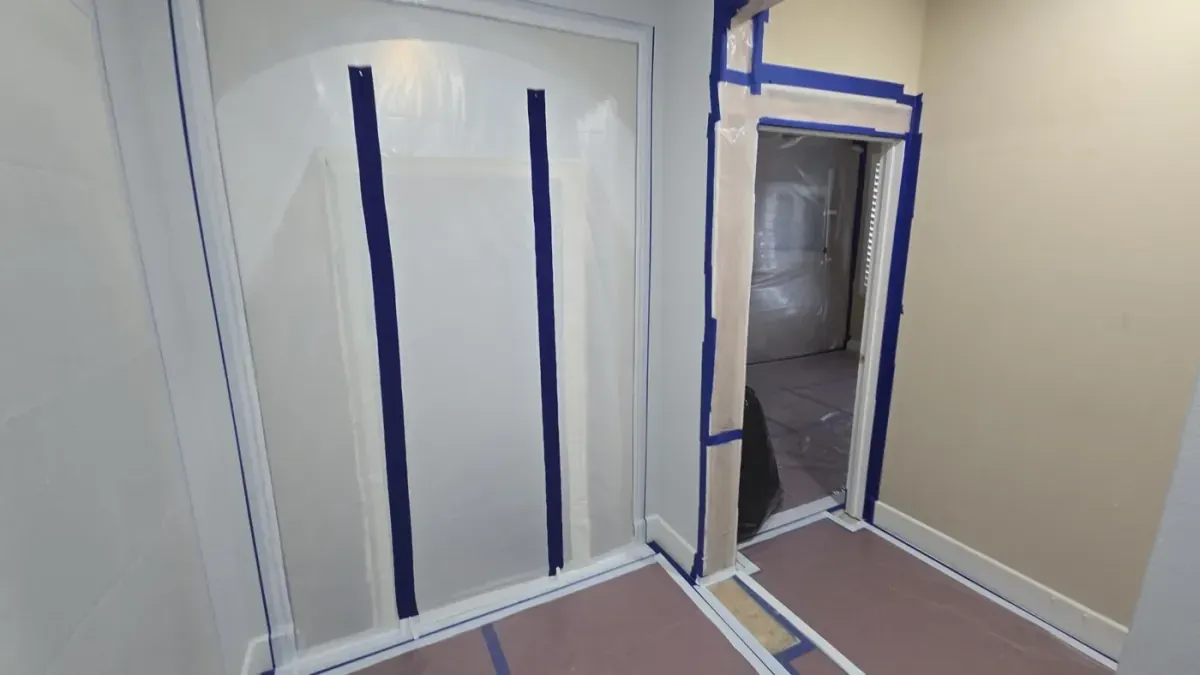
Containment
Affected areas are isolated to prevent airborne particles from spreading.
Air Scrubbing
HEPA air scrubbers stabilize indoor air during remediation.
Removal of Compromised Materials
Saturated drywall, insulation, and flooring may require controlled removal.
Surface Cleaning
Framing and non-porous materials are cleaned thoroughly.
Structural Dryouts
Professional air movers and dehumidifiers remove remaining moisture.
Final Moisture Verification
Materials are tested to confirm they have returned to acceptable moisture levels.
If contamination spreads extensively, costs rise due to additional labor, materials, and equipment.
Warning Signs Palm Bay Homeowners Should Watch For
After flooding, pay attention to:
- Persistent musty odors
- Warped or swollen baseboards
- Soft drywall near floors
- Bubbling paint
- Cupped flooring
- Elevated indoor humidity
- Staining on lower walls
These signs often indicate moisture that has not fully dried.
Early professional evaluation reduces uncertainty and limits damage.
Why DIY Cleanup Often Misses Hidden Moisture
Many homeowners act quickly after flooding, which is important. However, DIY cleanup typically focuses on surface drying.
Common limitations include:
- No internal moisture measurement
- No thermal imaging
- No slab edge evaluation
- Assuming surfaces are dry when internal moisture remains
Florida’s humidity makes it difficult for materials to dry completely without controlled airflow and dehumidification.
Professional moisture detection ensures no hidden damp zones are overlooked.
Long-Term Protection Strategies for Palm Bay Homes
After flooding and remediation, preventive measures become essential.
- Improve exterior drainage around the home
- Inspect roof flashing and window seals
- Maintain HVAC systems
- Monitor indoor humidity levels
- Address plumbing leaks immediately
- Schedule post-storm moisture evaluations
Routine monitoring helps prevent future mold remediation projects.
Why Local Experience Matters
Flood-related mold remediation in Palm Bay requires understanding coastal environmental conditions. High humidity, slab construction, and elevated groundwater levels all influence moisture migration.
Local professionals understand:
- How slab foundations wick water upward
- Where moisture typically hides after flooding
- How quickly mold develops in Florida heat
- How to design drying strategies suited to Palm Bay homes
Inspections and More FL works within these environmental realities regularly, providing practical and experience-based solutions.
A Practical Perspective on Timing
Flooding is stressful, but delaying moisture evaluation increases both structural risk and financial cost.
Early detection allows:
- Targeted drying instead of demolition
- Shorter remediation timelines
- Reduced equipment usage
- Protection of flooring and cabinetry
- Lower overall recovery expenses
For Palm Bay homeowners, fast and accurate moisture detection is not just about convenience. It’s about preserving the structure, protecting property value, and avoiding unnecessary expenses in Florida’s demanding coastal climate.
