Palm Bay Homes Dealing With Structural Dryouts Following Hurricane Damage — How Professionals Approach the Issue
Hurricane damage in Palm Bay doesn’t always look like dramatic flooding. In Brevard County, some of the most serious post-storm problems happen quietly: wind-driven rain sneaks through roof edges, water pushes past sliding doors, attic insulation becomes saturated, and humidity levels remain elevated for days. Even when the home appears mostly intact, hidden moisture can remain trapped inside walls, under flooring, and within structural materials.
That hidden moisture is why structural dryouts are such an important part of hurricane recovery.
A structural dryout is the controlled, monitored process of removing moisture from a building’s materials—not just from the air. It involves identifying where water traveled, choosing drying strategies that match the home’s construction, and verifying that materials return to safe moisture levels before rebuilding begins.
In Palm Bay—where humidity is naturally high, storms can dump heavy rain quickly, and many homes sit on slab foundations—dryouts must be done with Florida’s environment in mind. Below is a practical breakdown of how professionals approach structural dryouts after hurricane damage, and why each step matters.
Why Structural Dryouts Matter More Than “Just Drying the House”
After a hurricane, homeowners often focus on removing visible water and getting the home “back to normal.” But structural materials can hold moisture long after the floors feel dry.
Common materials that trap water include:
-
Drywall (especially the paper backing)
-
Wood framing and bottom plates
-
Insulation inside wall cavities
-
Subfloors and underlayment
-
Concrete slabs and slab-edge areas
-
Cabinet toe-kicks and built-ins
If these materials remain damp, they can lead to:
-
Mold growth in hidden spaces
-
Warping and swelling of wood and flooring
-
Persistent musty odors
-
Peeling paint and bubbling finishes
-
Long-term deterioration of structural components
Structural dryouts protect the property by preventing those secondary problems.
Step 1: Stabilize the Home and Stop Ongoing Intrusion
Before drying equipment is even brought in, professionals confirm that water is no longer actively entering the structure.
In Palm Bay hurricane cases, that can include:
-
Temporary roof tarps or repairs where shingles or flashing failed
-
Boarding or sealing broken windows and doors
-
Covering damaged soffits or roof penetrations
-
Removing wet debris and saturated contents
-
Extracting standing water (if present)
Why this matters: Drying equipment works in a controlled environment. If rain continues entering through a damaged roof edge, humidity will remain high and drying progress will stall.
Step 2: Moisture Detection and Mapping (The Foundation of the Dryout)
A professional dryout begins with measurement.
Technicians use:
-
Moisture meters (pin and pinless) for drywall, wood framing, baseboards, and subfloors
-
Thermal imaging to reveal hidden moisture patterns behind walls and ceilings
-
Hygrometers to measure relative humidity and temperature
The goal is to create a moisture map that answers:
-
Where did the water enter?
-
How far did it spread?
-
Which materials are saturated versus mildly damp?
-
What’s the baseline moisture level in unaffected areas?
Palm Bay homes often show moisture along:
-
Sliding glass door thresholds
-
Garage-to-living transitions
-
Slab edges in low-lying neighborhoods
-
Attic insulation and roof decking near penetrations
-
Interior wall bottoms where water wicked upward
Why this matters: Without moisture mapping, drying becomes guesswork. Guesswork leads to missed pockets, which become mold pockets later.
Step 3: Choose the Right Drying Strategy for the Home’s Construction
Palm Bay homes are frequently built on concrete slabs, with standard drywall and attic insulation. Drying strategies must match the structure.
Professionals decide early whether the dryout can be:
-
Non-invasive (drying in place)
-
Targeted invasive (opening specific areas)
-
Full removal (removing heavily saturated materials)
Key considerations include:
Drywall Saturation
If drywall is saturated, especially at the bottom, professionals may recommend “flood cuts” (removing the lower portion) to access and dry wall cavities.
Insulation Condition
Wet insulation holds moisture and must often be removed. If it remains, it can keep framing damp even while the room feels dry.
Flooring System
Hardwood, laminate, and vinyl plank can trap moisture under the surface. Tile can hide moisture underneath as well.
Attic Impacts
Attic insulation saturated from roof intrusion can keep humidity high and re-wet framing below.
Why this matters: Drying the air is not the same as drying materials. The strategy must match what’s wet and how the home is built.
Step 4: Deploy Equipment — The Core Tools of Structural Dryouts
Structural dryouts rely on a controlled combination of airflow, humidity removal, and sometimes filtration.
Industrial Dehumidifiers
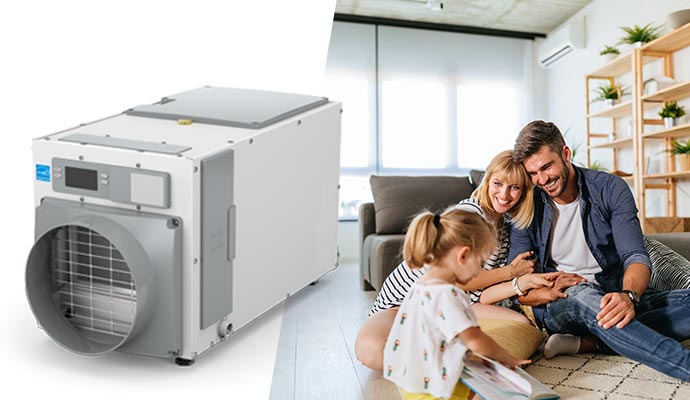
Professional dehumidifiers (often LGR units) remove large amounts of moisture from indoor air, creating conditions that allow materials to release trapped water.
Air Movers (Air Blowers)
High-velocity air movers increase evaporation by disrupting the layer of saturated air sitting on wet surfaces. They are placed strategically to push air across:
-
Wall bottoms
-
Wet flooring seams
-
Cabinet toe-kicks
-
Hallways and dead zones
Specialized Drying Systems (When Needed)
Depending on the flooring type and moisture location, professionals may use:
-
Floor mat drying systems
-
Injection drying for wall cavities
-
Directed cavity drying for ceiling spaces
Air Scrubbers (When Contamination Risk Exists)
If mold is suspected or demolition is required, HEPA air scrubbers help keep airborne particles under control.
Why this matters: In Palm Bay’s humid post-storm environment, you need both evaporation (air movement) and moisture removal (dehumidification) for real structural drying.
Step 5: Create a Controlled Drying Environment
After a hurricane, many homeowners want to open windows. In Florida, that often makes drying harder.
Professionals typically:
-
Keep windows and doors closed during active drying
-
Control temperature with HVAC if safe and functional
-
Set up equipment to maintain steady airflow patterns
-
Reduce “short-circuiting” where air movers blow directly into dehumidifiers without drying materials
Why this matters: Outside air in Palm Bay after a storm is often extremely humid. Bringing that air inside increases the moisture load and slows drying.
Step 6: Address Common Hidden Moisture Zones in Palm Bay
Structural dryouts often succeed or fail based on whether hidden zones are handled properly.
Wall Cavities and Bottom Plates
In slab homes, moisture wicks into the bottom drywall and wood plate. Professionals test these zones carefully and often dry them using cavity drying methods.
Flooring Edges and Underlayment
Moisture can migrate under baseboards and beneath vinyl plank or laminate systems. Targeted drying or selective removal may be necessary.
Kitchen and Bathroom Cabinets
Toe-kicks trap humid air. Moisture can linger behind base cabinets and inside particleboard panels, leading to odors and swelling.
Attic Insulation and Roof Decking
If attic insulation was soaked, it can keep the home humid even if the living space seems dry. Removal and drying of the attic zone may be essential.
HVAC Closets and Return Air Pathways
Storm-related humidity can cause condensation inside returns. Professionals check these spaces because they can become long-term odor sources.
Why this matters: A dryout that ignores hidden zones can produce “good-looking” results now, but recurring odors or mold later.
Step 7: Monitor Daily — Dryouts Are Managed, Not Just “Run”
Professional structural dryouts involve ongoing monitoring.
Technicians track:
-
Relative humidity and temperature
-
Moisture content in drywall, framing, and subfloors
-
Thermal imaging changes over time
-
Performance of dehumidifiers and drainage routing
Equipment is adjusted as the structure dries:
-
Air movers repositioned
-
Dehumidifier settings changed
-
Additional cavity drying deployed
-
Isolation of stubborn zones
Why this matters: Drying is not linear. Some materials release moisture quickly; others release slowly. Monitoring prevents premature equipment removal.
Step 8: Confirm Drying Completion Before Rebuilding
One of the most expensive mistakes after hurricane damage is rebuilding too early.
Professionals verify completion by:
-
Comparing moisture readings to dry baseline areas
-
Confirming stable indoor humidity levels (often aiming for 45–55%)
-
Re-checking key zones with thermal imaging
-
Ensuring insulation and cavities are dry before closing walls
-
Confirming no ongoing moisture intrusion remains
Only after verification should:
-
Drywall be replaced
-
Flooring be reinstalled
-
Cabinets be repaired
-
Paint and finishes be applied
Why this matters: Closing damp materials behind new finishes is a common cause of recurring mold in Florida homes.
Recovery Insights: What Homeowners Can Expect
In Palm Bay hurricane recovery work, property owners often experience:
-
A short period of noisy equipment operation
-
Daily monitoring visits or documented readings
-
Recommendations for selective removal if drying stalls
-
Guidance on humidity control after the dryout
A professional approach is generally calmer and more targeted than a “tear it all out” response, because it’s guided by moisture measurements.
Companies such as Inspections and More FL often emphasize homeowner-first communication—explaining what’s wet, why it matters, and what the readings show before major decisions are made.
Long-Term Prevention After a Hurricane Dryout
Once the dryout is complete, preventing recurrence matters—especially in Palm Bay, where storms and humidity return every season.
Practical strategies include:
-
Annual roof and flashing inspections
-
Sealing door thresholds and window frames
-
Keeping gutters and downspouts clear
-
Maintaining HVAC condensate drain lines
-
Using humidity monitors indoors
-
Scheduling post-storm inspections for attic and slab-edge areas
-
Considering dehumidification support during peak rainy months
A Clear Takeaway
Structural dryouts following hurricane damage in Palm Bay are not just about drying what you can see. Professionals approach the issue with a measured process:
-
stop the intrusion
-
map the moisture
-
choose a drying strategy based on the home’s construction
-
deploy the right equipment
-
control the drying environment
-
target hidden zones
-
monitor daily
-
verify dryness before rebuilding
In Florida’s humid coastal environment, this approach protects the home from secondary mold growth, material deterioration, and recurring repair costs.
When structural drying is handled properly, Palm Bay homeowners recover more confidently—and the home stays stable long after the hurricane season ends.