
Palm Bay Homes Dealing with Thermal Imaging Inspections During Extreme Humidity — Lessons Learned from Local Cases
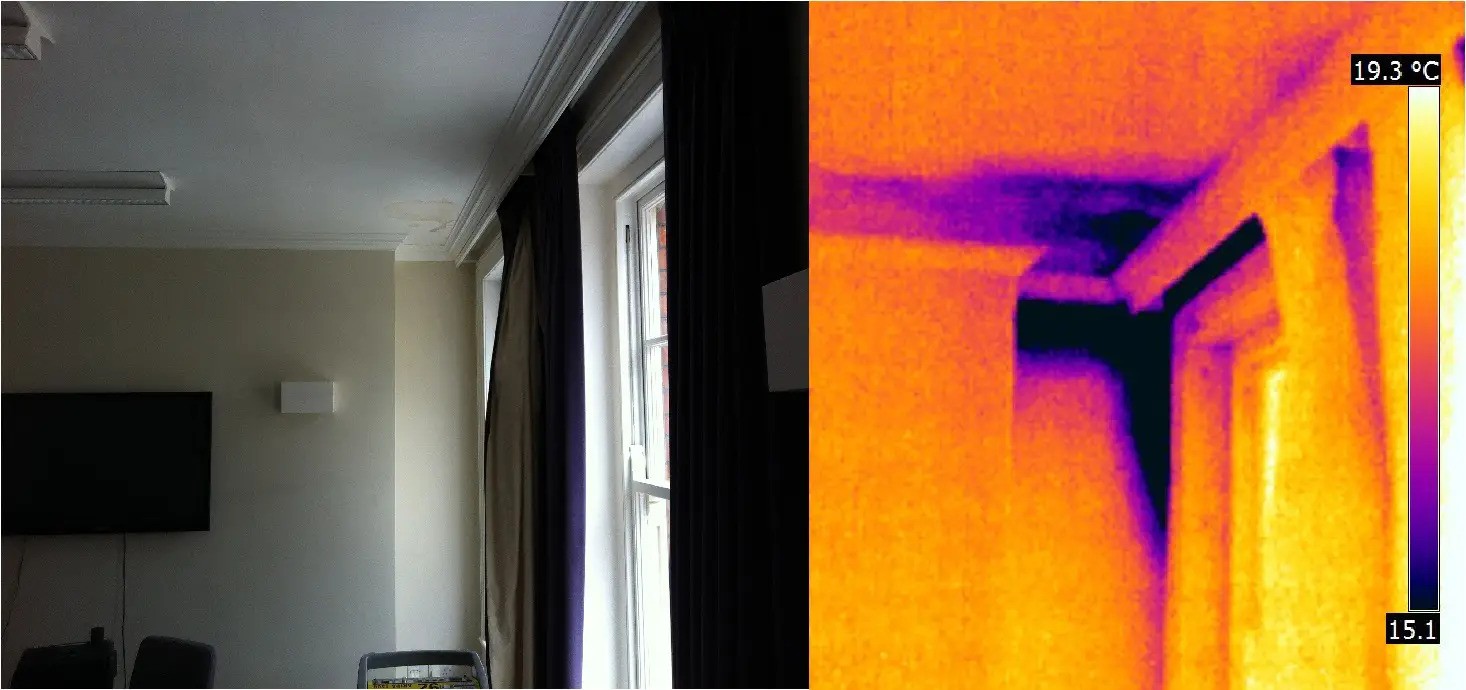
Extreme humidity in Palm Bay isn’t seasonal — it’s predictable. During peak summer months and throughout hurricane season, indoor moisture levels can quietly climb beyond safe limits. And while some moisture problems are obvious, many remain hidden behind walls, under flooring, or inside attic spaces.
That’s where thermal imaging inspections become especially valuable.
In Palm Bay — as well as Merritt Island, Cocoa, Melbourne, and Sanford — thermal imaging has helped uncover moisture issues that were not visible to the eye. Local cases consistently show that extreme humidity doesn’t just make homes uncomfortable. It can create structural and air quality concerns that require early detection.
Why Extreme Humidity Creates Hidden Moisture Problems
Palm Bay’s coastal-influenced climate regularly produces high relative humidity levels. When indoor humidity rises above 60%, building materials begin absorbing moisture from the air.
This affects:
- Drywall
- Wood framing
- Ceiling cavities
- Subfloors
- Insulation
- HVAC systems
Unlike a plumbing leak, humidity-related moisture doesn’t pool on the floor. It condenses in cooler areas and slowly accumulates inside walls and attic spaces.
Over time, this trapped moisture can lead to mold growth and material degradation.
How Thermal Imaging Helps During High Humidity
Thermal imaging cameras detect surface temperature variations. Moisture often changes the temperature profile of building materials.
In Palm Bay homes, inspectors use thermal imaging to:
- Identify cooler areas behind drywall
- Detect moisture accumulation near baseboards
- Locate damp attic insulation
- Spot condensation around ductwork
- Evaluate slab foundation edges
During extreme humidity, these cooler spots often indicate hidden moisture buildup.
Thermal imaging doesn’t guess — it provides visual confirmation of areas requiring further testing.
Lessons Learned from Local Palm Bay Cases
Over time, patterns have emerged in Palm Bay inspections during high humidity periods.
Lesson 1: Exterior Walls Are Common Risk Areas
In many Palm Bay homes, thermal scans reveal moisture behind exterior-facing walls. Wind-driven rain combined with high humidity allows moisture to settle behind drywall.
Often, homeowners report musty odors long before any visible staining appears.
Thermal imaging helps confirm hidden moisture early, before mold remediation becomes necessary.
Lesson 2: Attics Trap Humidity
Attic spaces in Palm Bay and Merritt Island frequently show elevated moisture levels during extreme humidity.
Common findings include:
- Damp insulation
- Condensation on roof sheathing
- Moisture around duct penetrations
- Poor ventilation airflow
Heat combined with humidity creates condensation cycles inside attic cavities.
Thermal imaging quickly highlights these problem zones.
Lesson 3: Slab Edges Show Hidden Moisture
In slab foundation homes common throughout Palm Bay and Cocoa, moisture migration from the ground can affect interior walls along slab edges.
Thermal imaging often reveals cooler temperature bands along lower wall sections — a sign of moisture accumulation.
This is especially common after prolonged rain or hurricane-related soil saturation.
Lesson 4: HVAC Systems Contribute to Moisture Patterns
Air conditioning systems play a major role in humidity control. However, during extreme humidity, systems may struggle.
Local inspections have revealed:
- Condensation inside ductwork
- Moisture around air handler closets
- Oversized systems short-cycling and failing to dehumidify
- Clogged condensate lines
Thermal imaging identifies these temperature anomalies quickly.
Without detection, humidity-related mold growth may develop inside ducts or wall cavities.
Why Visual Inspections Alone Are Not Enough
In high-humidity environments like Palm Bay, moisture can remain invisible for weeks.
Visual inspections may miss:
- Internal drywall saturation
- Hidden insulation moisture
- Damp framing
- Subfloor humidity buildup
Thermal imaging adds a layer of precision.
However, it is typically paired with:
- Moisture meter testing
- Indoor humidity measurements
- Attic and crawl space evaluations
This combination confirms whether detected temperature variations are truly moisture-related.
Companies such as Inspections and More FL follow this multi-step approach because Florida humidity often masks deeper problems.
The Risk of Ignoring Hidden Moisture
When extreme humidity persists, untreated moisture can lead to:
- Mold growth inside walls
- Subfloor weakening
- Paint blistering
- Warped hardwood floors
- Persistent indoor odor issues
Palm Bay homeowners sometimes assume that because there was no leak, there is no risk.
Local inspection cases show otherwise.
Humidity alone can create conditions requiring remediation if not managed early.
Preventive Steps for Palm Bay Homeowners
Thermal imaging inspections often lead to preventive adjustments rather than large-scale repairs.
Common recommendations include:
- Improving attic ventilation
- Cleaning AC condensate lines
- Installing supplemental dehumidification
- Sealing exterior wall penetrations
- Monitoring indoor humidity (aim for 45–55%)
- Scheduling post-storm evaluations
Extreme humidity doesn’t mean damage is inevitable. It means monitoring is necessary.
Routine inspections during peak humidity seasons help prevent larger structural concerns.
Why Local Experience Matters
Thermal imaging results must be interpreted correctly.
In Palm Bay and surrounding areas, professionals understand:
- Coastal humidity behavior
- Slab foundation moisture migration
- Attic heat and condensation cycles
- Wind-driven rain infiltration patterns
- HVAC system challenges common in Florida homes
Without local knowledge, temperature variations may be misinterpreted.
Regional experience allows inspectors to distinguish between harmless temperature differences and genuine moisture concerns.
A Practical Next Step
If your Palm Bay home feels persistently humid, develops musty odors during peak summer months, or shows subtle signs like paint bubbling or floor warping, a thermal imaging inspection may provide clarity.
Extreme humidity is a reality in Florida’s coastal climate. Early detection helps prevent hidden moisture from developing into larger structural or mold-related problems.
In Palm Bay and nearby communities such as Merritt Island, Cocoa, and Melbourne, understanding how humidity affects homes — and using the right tools to detect it — is key to long-term property protection.
