
Sanford Homes Dealing with Air Blower Installation After Heavy Rainstorms — When to Schedule an Evaluation
 Heavy rainstorms are nothing new in Sanford. Between summer downpours, afternoon thunderstorms, and the occasional hurricane pushing through Central Florida, homes in this area take on a lot of moisture every year.
And here’s the part most homeowners don’t see coming.
It’s not always the visible flooding that causes the biggest issues. It’s the trapped humidity, soaked framing, damp insulation, and slow-drying structural materials that create long-term problems. That’s where air blower installation becomes part of the solution.
If your Sanford home has recently experienced heavy rainfall, water intrusion, or even just prolonged humidity, knowing when to schedule an evaluation can prevent mold growth, structural damage, and expensive repairs later on.
Let’s break it down clearly.
What Air Blower Installation Actually Does
After heavy rainstorms, moisture can get into:
- Wall cavities
- Insulation
- Subflooring
- Baseboards
- Attics
- Crawl spaces
Even if you never saw standing water.
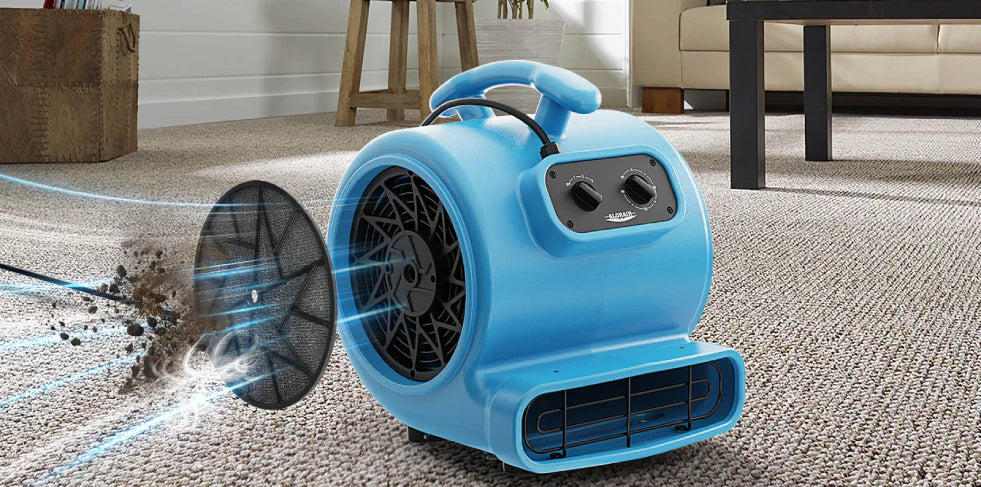
Air blowers (also called air movers) increase airflow across wet or damp surfaces. That airflow speeds up evaporation and helps dry materials before mold begins to grow.
In Florida, mold can start developing within 24–48 hours under the right conditions. That’s not an exaggeration. Sanford’s humidity levels make it especially easy for moisture to linger.
Air blowers don’t “fix” water damage on their own. They work as part of a structured drying process that includes:
- Moisture detection
- Dehumidification
- Targeted airflow
- Monitoring
Used correctly, they help prevent secondary damage after storms.
Why This Happens So Often in Sanford
Sanford homes face a unique combination of moisture risks.
Persistent Central Florida Humidity
Humidity levels stay high most of the year. Even after a storm passes, the air remains saturated. That means wet materials don’t dry naturally.
Heavy Rain and Stormwater Intrusion
Sudden downpours can overwhelm:
- Gutters
- Roof flashing
- Window seals
- Slab foundations
Water can seep into areas you won’t notice until weeks later.
High Water Table
Parts of Sanford sit in areas where groundwater levels rise quickly after extended rain. Moisture can push upward through slab foundations or seep into crawl spaces.
AC Condensation Issues
When storms increase humidity, AC systems work harder. If drain lines clog or ducts sweat, moisture builds up inside walls and ceilings.
Homes in Cocoa, Palm Bay, Melbourne, and Merritt Island face similar issues, but inland properties in Sanford often deal with prolonged damp conditions after storms due to soil saturation and slower drainage.
Common Signs You May Need Air Blower Installation
You don’t have to see visible flooding to have a moisture problem.
Watch for:
- Musty odors appearing after a storm
- Warped baseboards or trim
- Soft drywall
- Buckling laminate or wood flooring
- Hot or humid rooms that feel different than usual
- AC running constantly but humidity staying high
If you notice any of these within a few days of heavy rain, it’s time for an evaluation.
The earlier airflow and drying begin, the better.
Hidden or Overlooked Sources of Post-Storm Moisture
This is where many homeowners get caught off guard.
Behind Walls
Rainwater can enter around windows, roof lines, or siding and settle behind drywall without visible staining.
Under Flooring
Water migrates downward. Tile may look fine, but subflooring underneath can remain damp.
Attics
Roof leaks during storms often soak insulation. Wet insulation holds moisture for weeks.
Crawl Spaces
If your home has a crawl space, heavy rain can raise ground moisture levels significantly.
HVAC Systems
Ductwork running through hot attics can accumulate condensation when humidity spikes.
At Inspections and More FL, we frequently see homes that appeared “fine” after storms — until hidden moisture led to mold growth weeks later.
Why DIY Drying Usually Falls Short
It’s completely understandable to grab fans and open windows after a storm.
The problem?
Household fans don’t provide controlled airflow. They often just circulate humid air.
Common DIY mistakes include:
- Using bleach on damp surfaces (does not dry materials)
- Running ceiling fans without dehumidification
- Ignoring moisture inside wall cavities
- Assuming no visible water means no damage
Without proper moisture detection tools, you’re guessing.
And guessing rarely works in Florida’s climate.
What a Professional Evaluation Looks Like
When should you schedule one?
Ideally within 24–72 hours after:
- Roof leaks
- Window leaks
- Flooded areas
- Major interior humidity spikes
- Water entering from foundation or walls
A professional evaluation includes:
Visual Inspection
Checking for staining, swelling, and material breakdown.
Moisture Detection Tools
Using professional meters to measure moisture levels in:
- Drywall
- Wood framing
- Flooring
- Baseboards
Thermal Imaging
Thermal cameras identify hidden moisture behind walls and ceilings.
Humidity Assessment
Indoor humidity levels are measured to determine if dehumidifiers are necessary.
From there, we determine whether air blower installation is needed — and where.
How Air Blower Installation Fits Into the Drying Process
Air blowers aren’t randomly placed in a room.
They’re positioned strategically to create directional airflow across wet materials.
The full process often includes:
Containment
Preventing moisture and potential mold spores from spreading.
Air Blower Placement
Directed airflow across:
- Baseboards
- Carpet edges
- Wall cavities
- Subflooring
Dehumidification
Dehumidifiers pull moisture from the air so evaporation doesn’t reabsorb into materials.
Structural Dryout
Moisture levels are monitored daily until readings return to safe ranges.
Source Correction
If leaks or drainage issues exist, they must be repaired.
In coastal areas like Melbourne and Merritt Island, salt air can complicate drying due to corrosion. In Sanford, soil saturation and inland humidity create different drying challenges. Local experience matters here.
When to Schedule an Evaluation in Sanford
Here’s a practical guide:
Schedule immediately if:
- You saw water enter the home
- You have roof damage after a storm
- Water pooled along exterior walls
- Indoor humidity remains above 60% for days
Schedule within a few days if:
- Musty smells appear
- Baseboards feel damp
- Flooring shifts or warps
- AC struggles to maintain comfort
Waiting weeks allows moisture to settle deep into building materials.
And that’s when mold remediation becomes necessary — which is far more involved than early drying.
How to Prevent Future Moisture Problems
Storms aren’t going away in Sanford. Prevention makes a difference.
Improve Drainage
- Clean gutters regularly
- Extend downspouts away from foundation
- Check grading around home
Maintain AC Systems
- Clear condensate drain lines
- Service units annually
- Insulate exposed ductwork
Monitor Humidity
Indoor humidity should stay between 45%–55%.
Inspect After Storms
Even a quick walkthrough after heavy rain can catch early warning signs.
Consider Routine Evaluations
Homes in high-risk areas benefit from periodic moisture checks, especially after hurricane season.
Why Local Florida Experience Matters
Drying a home in Arizona is very different from drying one in Sanford.
Central Florida’s:
- High humidity
- Frequent storms
- Slab foundations
- Mixed older and newer construction
All require a tailored approach.
A company familiar with Cocoa, Palm Bay, Melbourne, Merritt Island, and Sanford understands how quickly moisture escalates in these environments.
Inspections and More FL approaches each evaluation based on local building styles and real storm patterns — not generic drying assumptions.
That experience often means faster stabilization and fewer long-term issues.
A Calm Next Step for Homeowners
If your Sanford home recently went through heavy rain and something feels “off,” trust that instinct.
You don’t need to panic.
You don’t need to assume the worst.
But you also don’t want to ignore early moisture signs.
An evaluation provides clarity. It tells you whether air blower installation and structured drying are necessary — or if your home is already in good shape.
Storm season will always be part of life in Central Florida.
The goal isn’t to eliminate moisture entirely. It’s to manage it correctly before it turns into a bigger problem.
If you’re unsure, scheduling a professional evaluation is a practical, preventative step that protects your property and gives you peace of mind.
