Sanford Homes Dealing with Thermal Imaging Inspections After Heavy Rainstorms — How Florida’s Climate Makes It Worse
Heavy rainstorms in Sanford don’t just pass through. They linger in the air, settle into the soil, and sometimes seep quietly into homes long after the skies clear.
You might not see standing water. You might not notice immediate damage. But in Florida’s humid, storm-prone environment, moisture intrusion often hides beneath surfaces.
That’s why thermal imaging inspections have become such an important step after major rain events in Sanford. The real issue isn’t always the storm itself — it’s what the climate does afterward.
Let’s take a closer look at why Florida’s environment makes post-storm moisture more complex — and how thermal imaging helps uncover what most homeowners can’t see.
What Happens to Sanford Homes After Heavy Rain
When heavy rainstorms move through Central Florida, water doesn’t just hit the roof and disappear.
In Sanford neighborhoods — especially those with slab foundations and older construction — rainwater can:
- Seep around window frames
- Enter through roof flashing
- Travel beneath siding
- Pool near foundation edges
- Move through tiny exterior cracks
- Soak into attic insulation
Even if visible leaks aren’t obvious, moisture can travel horizontally behind walls or along framing members.
And because Sanford experiences high humidity year-round, that moisture doesn’t dry easily.
Why Florida’s Climate Makes It Worse
Post-rain moisture behaves differently here than in drier states.
Sanford’s climate creates three major complications:
1. Persistent Humidity Slows Drying
After a heavy rainstorm, outdoor humidity remains elevated. When indoor air exchanges with outside air, drying becomes slower.
Materials like drywall, insulation, and wood framing stay damp longer than homeowners expect.
2. High Water Table and Soil Saturation
Certain areas of Sanford experience high water tables. When soil becomes saturated during heavy storms, moisture pressure can push inward toward slab foundations.
Even small foundation cracks can allow vapor intrusion.
3. Heat + Moisture = Accelerated Problems
Florida heat amplifies moisture impact. Warm, damp environments create ideal conditions for microbial growth within 24–48 hours.
That combination makes early detection critical.
What Most Homeowners Overlook After a Storm
Many Sanford homeowners assume that if there’s no visible water damage, everything is fine.
But subtle warning signs often appear before visible staining or warping.
These include:
- Musty or earthy odors
- Slight paint bubbling
- Soft drywall near baseboards
- Flooring edges lifting
- AC systems running longer than usual
- Rooms that feel warmer or more humid
The problem? These signs don’t always show up immediately.
Moisture can remain hidden behind drywall, under flooring, or inside attic insulation.
That’s where thermal imaging becomes essential.
What Thermal Imaging Inspections Actually Do
Thermal imaging uses infrared technology to detect temperature differences within building materials.
Moisture affects temperature. Damp areas often appear cooler than surrounding dry materials.
During a thermal imaging inspection in Sanford homes, professionals scan:
- Exterior and interior walls
- Ceiling surfaces
- Attic spaces
- Flooring transitions
- Slab foundation edges
- Around windows and doors
This non-invasive method identifies moisture patterns without tearing into walls unnecessarily.
It’s especially valuable after heavy rainstorms when damage may not yet be visible.
Common Moisture Zones After Sanford Rainstorms
Thermal imaging frequently reveals hidden moisture in:
- Attic decking and insulation
- Upper wall cavities near rooflines
- Behind kitchen or bathroom walls
- Around sliding glass doors
- Beneath laminate or vinyl flooring
- Inside exterior-facing walls
Older homes in Sanford often lack modern moisture barriers. After repeated rain cycles, minor vulnerabilities become entry points.
Thermal scans catch those issues early.
Why Visual Inspections Alone Aren’t Enough
A standard visual check may only reveal:
- Ceiling stains
- Visible drywall damage
- Warped flooring
But by the time those appear, moisture has usually been present for days or weeks.
Thermal imaging helps identify problems before structural deterioration or microbial growth escalates.
That early detection is especially important in Florida’s climate, where humidity amplifies even minor dampness.
The Full Post-Storm Inspection Process
After heavy rainstorms in Sanford, a thorough evaluation may include:
- Visual assessment
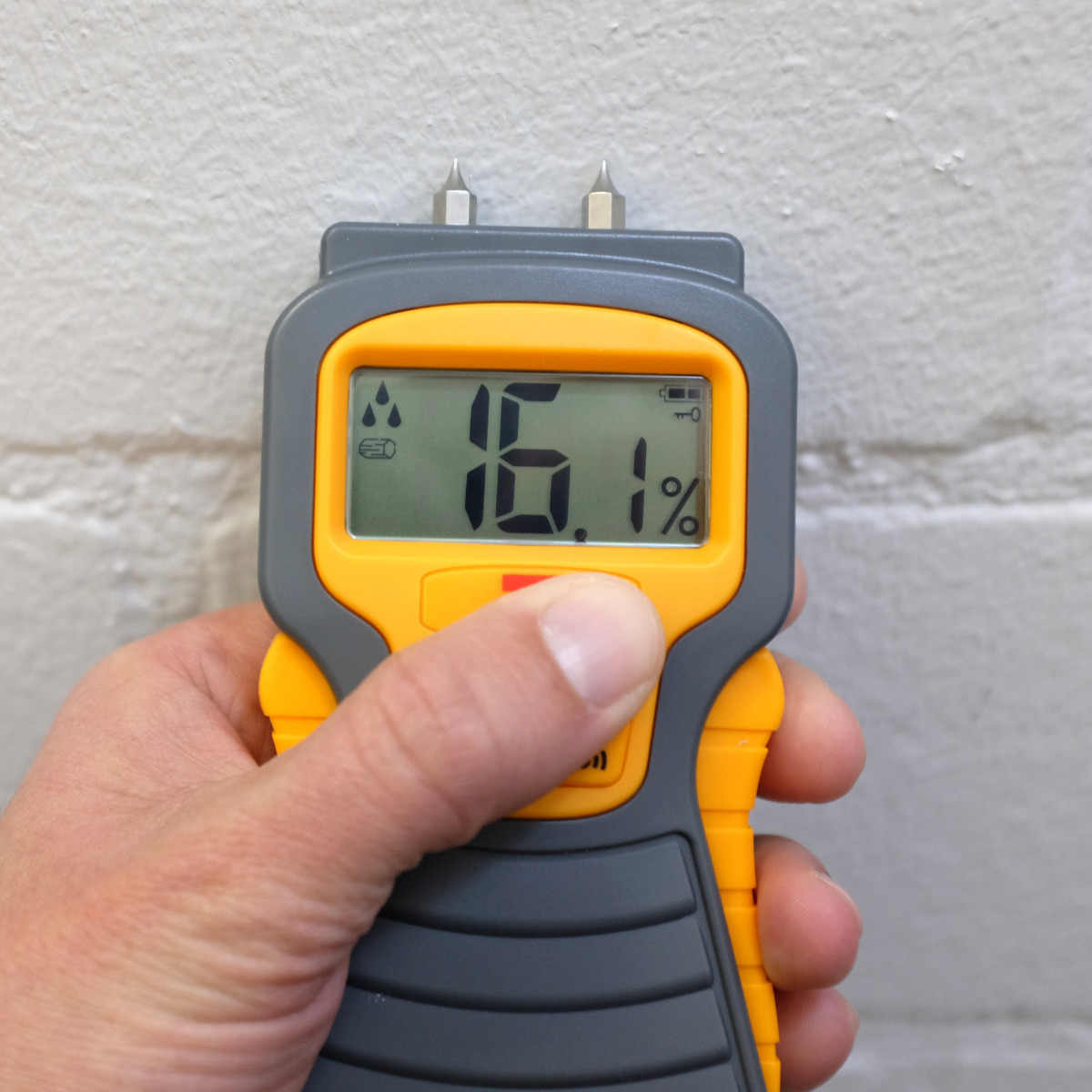
- Moisture meter readings
- Thermal imaging scans
- Attic evaluation
- Exterior inspection
- Indoor humidity measurement
At Inspections and More FL, post-storm inspections often uncover hidden moisture that homeowners were unaware of. Identifying these areas early prevents more extensive remediation later.
Thermal imaging is one of the most valuable tools in that process.
What Happens If Hidden Moisture Is Ignored
In Florida, moisture rarely resolves on its own.
If hidden dampness remains untreated:
- Insulation loses effectiveness
- Wood framing can weaken
- Indoor air quality may shift
- Flooring adhesives can fail
- Repeated ceiling staining can occur
Storm season in Sanford often brings multiple rain events within short timeframes. That repeated exposure compounds moisture problems.
Early thermal imaging inspections help stop that cycle.
Preventing Long-Term Moisture Problems
Sanford homeowners can reduce risk after heavy storms by:
- Scheduling inspections after major rain events
- Checking attic spaces annually
- Inspecting exterior caulking and flashing
- Monitoring indoor humidity levels
- Ensuring proper roof maintenance
- Maintaining gutters and drainage systems
Proactive steps reduce the chance of hidden damage building over time.
Moisture management in Florida is not reactive — it’s ongoing.
Why Local Experience Matters in Sanford
Thermal imaging equipment is only as effective as the person interpreting it.
Florida’s climate creates unique thermal patterns due to:
- Constant humidity
- High attic heat
- Slab foundation construction
- Seasonal storm cycles
Professionals familiar with Sanford homes understand how these conditions influence readings.
They know the difference between harmless temperature variation and true moisture intrusion.
Inspections and More FL applies local knowledge of Sanford construction styles and environmental conditions when conducting thermal imaging inspections. That experience leads to more accurate diagnosis and fewer unnecessary repairs.
A Smart Step After Every Major Rainstorm
Heavy rainstorms are part of life in Sanford. Hidden moisture damage doesn’t have to be.
Thermal imaging inspections provide a non-invasive way to identify problems early — before visible damage appears. In Florida’s humid climate, waiting for obvious signs often means waiting too long.
If your Sanford home has experienced intense rainfall, especially during storm season, a professional thermal imaging evaluation can provide peace of mind and protect the structure long-term.
In this climate, what you can’t see is often what matters most.