
Structural Dryouts in Merritt Island during Storm Season: How to Avoid Structural Damage
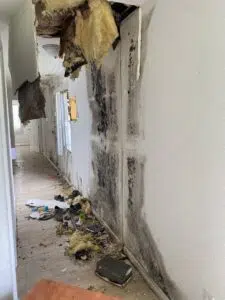
Florida’s storm season can be brutal, and for homeowners in Merritt Island, it’s not just wind and rain to worry about. Persistent moisture from storms, heavy rains, and coastal flooding can silently compromise the structural integrity of your home. Understanding structural dryouts—what they are, why they matter, and how to prevent damage—is essential for keeping your property safe and dry.
Even if you don’t see obvious signs of water intrusion, storm-related moisture can seep into walls, crawl spaces, and attics. Without proper drying, wood, drywall, insulation, and even concrete can degrade over time. This article breaks down the ins and outs of structural dryouts in Merritt Island, how moisture interacts with Florida homes, and practical strategies to avoid serious damage.
What Structural Dryouts Are
A structural dryout is the process of thoroughly drying a building’s structural components after water intrusion. This goes beyond simply wiping up puddles or using a small dehumidifier. Structural dryouts address moisture trapped in:
- Wooden framing and subflooring
- Crawl spaces beneath slab foundations
- Concrete and masonry walls
- Insulation and attic materials
- Areas affected by AC condensation
In Merritt Island, storm season brings prolonged rainfall, high humidity, and potential flooding. Even minor leaks or localized flooding can saturate materials, creating an environment where structural integrity and mold growth are at risk.
Dryouts are preventive and restorative—they stop further deterioration while preparing your home for long-term stability.
Why This Happens So Often in Merritt Island
Florida’s environment makes homes highly susceptible to water-related damage:
- High Humidity – Merritt Island averages 70–80% humidity during summer. Moisture lingers in walls, attics, and crawl spaces long after storms.
- Coastal Exposure – Salt-laden air accelerates corrosion on metal fasteners and promotes moisture absorption in building materials.
- High Water Table – Many properties sit just a few feet above sea level, increasing the risk of water intrusion in basements, slabs, and crawl spaces.
- Storms and Flooding – Hurricanes and tropical storms bring both wind-driven rain and localized flooding that can saturate structural components quickly.
- AC Systems – Condensation from air conditioning units often collects in attics or under flooring, creating hidden moisture pockets.
- Older Construction – Many Merritt Island homes have outdated flashing, insulation, or roofing, making them prone to leaks and hidden water accumulation.
These conditions mean homeowners must be proactive. Waiting until damage becomes visible is often too late—the structure may already be compromised.
Common Signs Property Owners Notice
Even before structural failure, there are subtle signs of moisture problems that homeowners often overlook:
- Musty odors – Lingering damp smells in attics, basements, or crawl spaces.
- Visible water damage – Staining on ceilings, walls, or baseboards.
- Warped or sagging wood – Doors, cabinets, and floors that don’t fit properly.
- Indoor air quality changes – Stuffy or damp-feeling rooms; increased allergies or respiratory irritation.
- Hot or humid rooms – Spaces that never seem to cool despite AC use can indicate trapped moisture.
Recognizing these early signs can save thousands in repairs and prevent mold growth that thrives in damp structural areas.
Hidden or Overlooked Sources
In Merritt Island homes, moisture often hides where homeowners don’t think to look:
- Behind walls – Plumbing leaks or storm-driven water can accumulate between drywall and framing.
- Under flooring – Water trapped beneath laminate, tile, or hardwood can compromise subfloors.
- Attics and crawl spaces – Condensation, roof leaks, and poor ventilation make these prime moisture traps.
- HVAC systems – Leaking ductwork or condensation pans create localized damp areas.
- Past leaks or storm damage – Even if repairs were made, residual moisture can remain if a proper structural dryout wasn’t completed.
Identifying these hidden areas is critical—surface-level drying is rarely enough to protect your home.
Why DIY Attempts Usually Fail
Many homeowners attempt quick fixes after a storm—fans, small dehumidifiers, or surface cleaning—but these often fail because:
- Bleach myths – Surface disinfectants do not remove moisture or prevent structural decay.
- Surface cleaning vs root cause – Wiping a wall won’t dry the wood framing behind it.
- Spore spread – Attempting to remove visible mold without containment spreads spores.
- Moisture not corrected – Without proper drying and humidity control, structural damage continues unseen.
DIY approaches may seem cheaper but can lead to expensive repairs, prolonged mold growth, and compromised safety.
Professional Inspection & Detection Explained
A proper structural dryout begins with a professional inspection. Experts assess not just visible damage but hidden moisture threats:
- Visual inspection – Checking for water stains, warping, and damage in key structural areas.
- Thermal imaging – Detects moisture behind walls or ceilings invisible to the naked eye.
- Moisture detection tools – Pin and pinless meters quantify water content in wood, concrete, and drywall.
- Air quality evaluation – Identifies spore counts or humidity levels impacting indoor comfort.
- Containment procedures – Prevents cross-contamination if mold is present.
This thorough approach ensures that all sources of moisture are identified and addressed before dryout begins.
Proper Remediation & Moisture Control Process
Once moisture sources are identified, a comprehensive dryout and remediation plan is implemented:
- Containment – Protects unaffected areas from contamination.
- Safe mold removal – If mold is present, it’s removed following strict safety protocols.
- Mold remediation and encapsulation – Walls, floors, and surfaces are treated to prevent regrowth.
- Air scrubbing – Removes airborne spores during the remediation process.
- Anti-microbial fogging – Treats hard-to-reach areas in attics and crawl spaces.
- Dehumidification & air blower installation – High-capacity equipment accelerates structural drying.
- Structural dryouts – Targeted drying of wood framing, insulation, and subfloors.
- Moisture source correction – Roof repairs, sealing leaks, or improving drainage.
- Prevention focus – Education and system checks to minimize future risks.
These steps ensure the building is not just dry, but structurally sound and safe for occupants.
How to Prevent Moisture & Mold in Florida Homes
Prevention is always better than repair, especially during Merritt Island’s storm season. Key strategies include:
- Coastal-specific prevention – Protect roofing, flashing, and windows from wind-driven rain.
- Ventilation improvements – Attics, crawl spaces, and bathrooms need proper airflow.
- AC maintenance – Clean condensate pans, check drain lines, and monitor humidity.
- Moisture monitoring – Install sensors in vulnerable areas to catch problems early.
- Post-storm inspections – Evaluate homes immediately after hurricanes or heavy rains.
- Routine property evaluations – Annual structural and moisture inspections identify issues before they escalate.
Implementing these practices significantly reduces the risk of structural damage and costly dryouts.
Why Local Florida Experience Matters
Working with professionals familiar with Merritt Island and the surrounding Brevard County region provides unique advantages:
- Understanding local humidity – Experienced specialists know how seasonal variations affect drying times.
- Knowledge of building styles – Older slab homes, coastal constructions, and high water table areas require tailored solutions.
- Faster and more accurate diagnosis – Local teams recognize common problem areas before they become major issues.
- Experience with coastal and inland conditions – From salt air corrosion to storm-driven flooding, local expertise ensures long-term protection.
A team like Inspections and More FL brings decades of hands-on Florida experience, ensuring structural dryouts are both effective and safe.
