
Structural Dryouts in Sanford in Slab Foundation Houses: What Inspections Typically Uncover
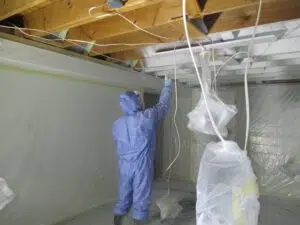
Sanford homeowners with slab foundation homes face unique challenges when water intrusion occurs. Unlike homes with crawl spaces, slab foundations limit access beneath floors, making hidden moisture and structural issues harder to detect. Heavy rains, plumbing leaks, roof failures, or AC condensation can introduce water that seeps into subflooring, walls, and even into the concrete slab itself. Without proper intervention, this moisture can compromise the structural integrity, indoor air quality, and long-term durability of the home.
Structural dryouts are critical for Sanford slab foundation homes after water intrusion. These specialized processes remove trapped moisture and restore affected areas to safe, dry conditions. Professional inspections play a central role, uncovering hidden water, assessing structural damage, and guiding effective remediation.
What the Issue Is
Slab foundation homes in Sanford present unique water damage risks:
- Water penetration through concrete – Slabs can absorb water from leaks, heavy rains, or high water tables.
- Saturated subflooring and wall edges – Moisture often accumulates along the perimeter, behind baseboards, and in drywall.
- AC condensation and plumbing leaks – Condensate from HVAC systems or slow pipe leaks can saturate the slab and surrounding materials.
- Hidden moisture beneath flooring – Hardwood, laminate, or tile may trap water between the floor surface and slab.
- Structural components – Wood framing, floor joists, or support beams near slab edges may retain moisture.
Even after visible water is removed, residual moisture can persist within slabs and flooring assemblies. This hidden water can lead to mold growth, wood rot, and long-term structural degradation if left unaddressed.
Why This Happens So Often in Sanford Slab Homes
Several factors contribute to the prevalence of water-related issues in Sanford:
- High water table – Many areas in Sanford are susceptible to groundwater seepage, which can infiltrate slab foundations.
- Heavy rainfall and storms – Frequent Florida rains can overwhelm drainage and push water into homes.
- Aging plumbing systems – Older pipes beneath slab foundations may leak undetected.
- AC condensation and poor drainage – Moisture from HVAC systems can pool at slab edges.
- Limited access beneath the home – Slabs prevent direct inspection of subflooring, making detection more challenging.
These conditions create environments where hidden moisture can thrive, emphasizing the importance of professional structural inspections and dryouts.
Common Signs Property Owners Notice
While some damage is visible, many issues remain subtle until detected through inspection:
- Musty odors – Often the first sign of hidden moisture or microbial growth.
- Warped or cupped flooring – Moisture beneath hardwood, laminate, or tile may distort the surface.
- Stains or discoloration along walls or baseboards – Water intrusion often appears at slab edges first.
- Soft or spongy floors – Indicates prolonged exposure to water beneath the surface.
- Elevated indoor humidity – Homes may feel damp even with AC running.
- Mold growth – Visible patches often indicate deeper moisture issues within the slab or walls.
Even in the absence of these signs, professional inspections often reveal moisture in areas homeowners would never check.
Hidden or Overlooked Sources
Professional structural inspections typically uncover moisture in areas homeowners overlook:
- Beneath tile, hardwood, or laminate floors – Water can be trapped between flooring and slab for weeks.
- Edges of slab foundations – Water wicks into framing and drywall adjacent to slab perimeter.
- Wall cavities near plumbing or AC lines – Moisture can migrate along studs, saturating drywall and insulation.
- HVAC ducts and condensate lines – Leaks may go unnoticed until inspections reveal moisture accumulation.
- Previous repair areas or patched leaks – Old damage often masks lingering moisture issues.
These hidden sources are why thermal imaging, moisture meters, and other detection tools are critical in Sanford slab homes.
Why DIY Drying Methods Usually Fail
Homeowners often attempt to dry homes after water intrusion using fans or small dehumidifiers, but these methods rarely suffice for slab foundation homes:
- Surface drying is insufficient – Water trapped beneath floors or within slabs remains untreated.
- Incomplete airflow – Fans cannot reach under walls or into slab edges.
- Moisture migration continues – Water may wick into drywall, framing, or flooring over time.
- Spore and microbial growth – Hidden water promotes mold colonization if not removed thoroughly.
- Long-term structural risks – Drying only visible areas may leave slab or subflooring moisture, leading to future damage.
Professional structural dryouts ensure complete moisture removal, protecting both the home and its occupants.
How Structural Dryouts Work in Slab Homes
Dryouts involve a coordinated approach using specialized equipment and monitoring:
- Moisture detection – Thermal imaging, moisture meters, and sensors locate hidden water in slabs, walls, and floors.
- High-capacity air movers – Targeted airflow helps evaporate moisture trapped under flooring or along slab edges.
- Dehumidification – Industrial dehumidifiers extract excess water vapor from the home.
- Air scrubbing – HEPA filtration removes airborne spores that may have developed due to moisture.
- Monitoring progress – Moisture levels are tracked until readings return to normal, ensuring the home is fully dried.
- Preventive treatment – Anti-microbial applications may be used to prevent mold or bacteria from colonizing damp surfaces.
This process restores structural integrity, prevents microbial growth, and protects indoor air quality.
How Structural Dryouts Protect Sanford Slab Homes
Professional dryouts provide multiple benefits for homeowners:
- Preserve structural elements – Removes moisture from slab edges, subflooring, and framing.
- Prevent mold growth – Eliminates conditions that support microbial colonization.
- Protect flooring – Hardwood, laminate, and tile remain intact when moisture is fully removed.
- Improve indoor air quality – Reduces allergens and spores circulating from hidden water.
- Minimize long-term repair costs – Early intervention prevents widespread structural damage.
- Peace of mind – Homeowners know their property is fully restored after water intrusion.
For Sanford slab homes, structural dryouts are essential after plumbing leaks, storm damage, or AC-related moisture intrusion.
Preventive Measures for Homeowners
To reduce future risks in slab foundation homes:
- Regular plumbing inspections – Detect leaks beneath slab before major damage occurs.
- Maintain AC and HVAC systems – Prevent condensation buildup that may affect slab edges or walls.
- Monitor indoor humidity – Use dehumidifiers to keep levels below 60%.
- Inspect roofs and gutters – Prevent water intrusion during storms.
- Seal flooring and slab edges – Protect vulnerable areas from moisture migration.
- Schedule periodic moisture inspections – Identify hidden water before it leads to structural problems.
Proactive measures combined with professional dryouts ensure long-term protection for slab foundation homes in Sanford.
