Thermal Imaging Inspections in Merritt Island Following Hurricane Damage: Common Mistakes Homeowners Make
Hurricane season in Merritt Island is never predictable. One storm may pass with minimal impact, while another brings wind-driven rain, roof damage, power outages, and widespread humidity spikes. After the storm clears, most homeowners focus on visible repairs—replacing shingles, clearing debris, and checking fences. But what often goes unnoticed is the hidden moisture left behind.
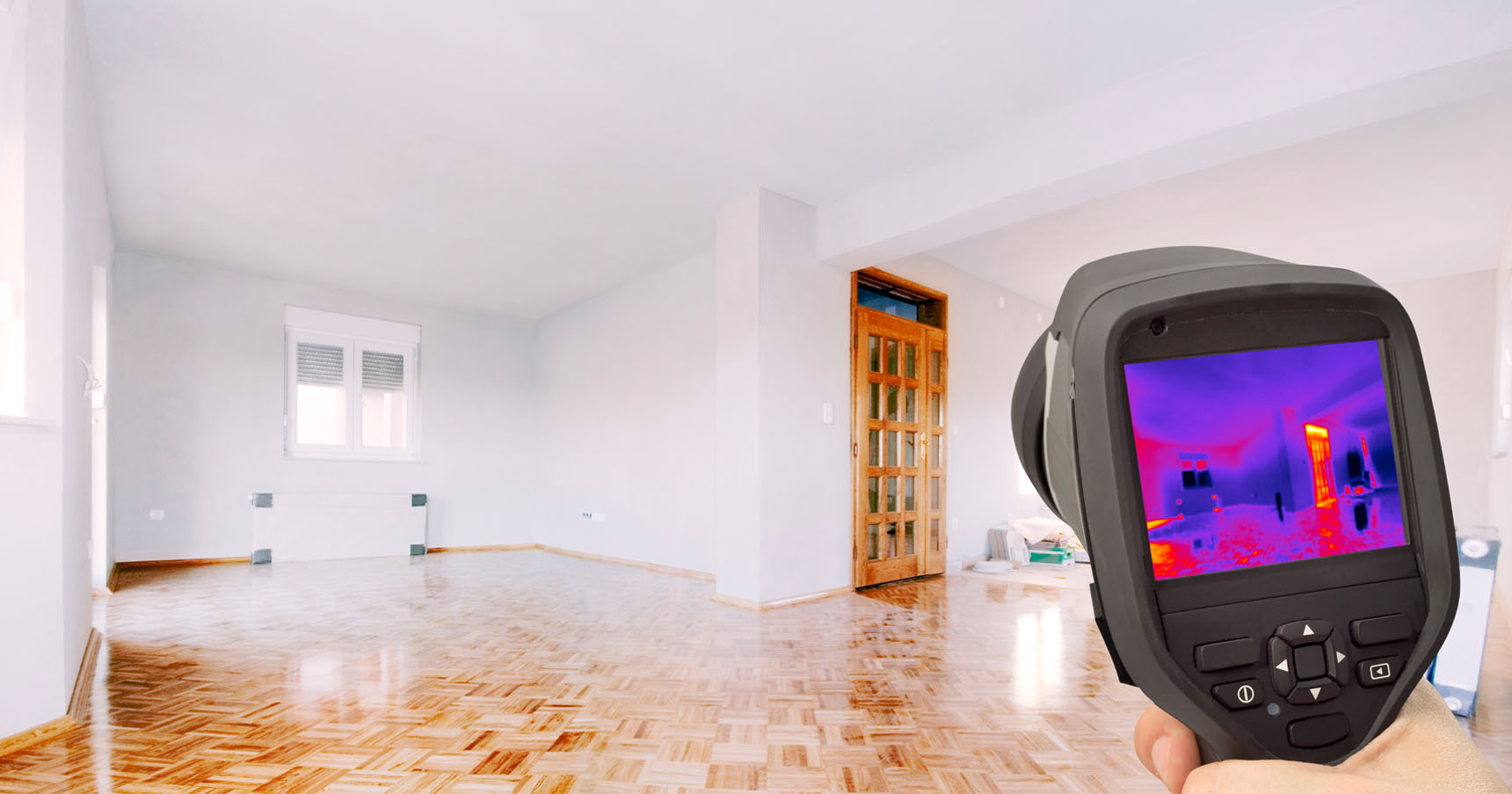
In Florida’s coastal climate, moisture does not always show up immediately. It can spread behind drywall, saturate attic insulation, migrate along slab edges, or linger inside HVAC systems. Thermal imaging inspections play a crucial role in detecting this hidden damage before it escalates.
Why Hurricane Moisture Is Hard to Detect in Merritt Island
Merritt Island’s coastal environment adds complexity to post-storm inspections.
Environmental factors include:
-
Lagoon-driven humidity
-
Elevated dew points
-
Salt air corrosion
-
Slab-on-grade construction
-
Extended AC usage
-
Frequent power outages during storms
Wind-driven rain often enters through small vulnerabilities rather than dramatic openings. Moisture may travel across roof decking or down framing before becoming visible.
Thermal imaging inspections help detect these subtle patterns—but only when used properly.
Mistake #1: Waiting for Visible Stains
One of the most common mistakes is waiting for ceiling stains or peeling paint before scheduling an inspection.
By the time a stain appears:
-
Insulation may already be saturated
-
Framing could be damp
-
Mold growth may have begun
-
Moisture may have spread beyond the visible area
Thermal imaging can detect temperature variations caused by hidden dampness long before staining occurs.
Early detection significantly reduces repair scope.
Mistake #2: Assuming Roof Repairs Solve Everything
After a hurricane, many homeowners prioritize roof repair. While fixing damaged shingles and flashing is critical, it does not remove moisture already inside the structure.
If attic insulation or roof decking became damp during the storm, moisture may remain trapped.
Without thermal imaging and moisture confirmation, hidden dampness can persist behind ceilings and walls.
Companies such as Inspections and More FL often evaluate interior moisture even after exterior repairs are completed.
Mistake #3: Opening Windows to “Dry Out” the Home
In Merritt Island’s humid climate, opening windows can introduce more moisture.
Outdoor humidity often exceeds indoor humidity levels, especially after storms.
Introducing humid air may:
-
Slow drying
-
Increase condensation
-
Elevate indoor moisture levels
-
Extend recovery time
Controlled dehumidification and airflow management are more effective than passive ventilation.
Mistake #4: Relying Only on Visual Inspections
Hurricane moisture does not always follow straight paths.
Water may:
-
Travel laterally across attic decking
-
Move down framing cavities
-
Soak insulation without visible surface damage
-
Pool near slab edges
Visual inspections alone cannot detect these hidden pathways.
Thermal imaging provides a non-invasive method to identify suspicious areas.
Mistake #5: Ignoring Attic Spaces
Attics are frequently overlooked after storms.
Common attic-related issues include:
-
Wet insulation
-
Damp roof decking
-
Sweating HVAC ducts
-
Compromised vent penetrations
Because attic spaces are rarely visited, moisture can linger unnoticed.
Thermal imaging inspections should always include attic evaluation.
Mistake #6: Misinterpreting Thermal Images
Thermal imaging cameras detect temperature differences—not water directly.
Common misinterpretations include:
-
Confusing air leaks for moisture
-
Mistaking plumbing lines for damp spots
-
Misreading insulation variations
-
Ignoring environmental temperature shifts
Professional interpretation ensures anomalies are confirmed with moisture meters before decisions are made.
Mistake #7: Skipping Moisture Meter Confirmation
Thermal imaging is a screening tool.
Moisture meters must confirm elevated readings before materials are opened or removed.
Skipping confirmation may result in unnecessary demolition—or worse, missed moisture.
Accurate detection requires both tools working together.
Mistake #8: Failing to Re-Inspect After Drying
After drying equipment runs for several days, homeowners often assume the problem is resolved.
However, moisture can linger behind:
-
Vapor barriers
-
Cabinetry
-
Baseboards
-
Subfloor systems
Follow-up thermal imaging and moisture testing confirm stabilization.
Without re-testing, hidden dampness may remain.
Mistake #9: Overlooking HVAC Systems
During hurricanes, power outages shut down air conditioning.
When power returns:
-
Cold ducts may sweat in humid attics
-
Air handlers may accumulate condensation
-
Moist air may circulate through returns
Thermal imaging inspections should evaluate HVAC components for moisture involvement.
Mistake #10: Delaying Inspections Due to Insurance Uncertainty
Some homeowners delay inspections until insurance decisions are finalized.
Waiting can increase damage.
Early documentation through thermal imaging helps:
-
Establish moisture presence
-
Support claims
-
Prevent escalation
-
Reduce long-term costs
Proactive action benefits both property and documentation needs.
Step-by-Step Approach to Proper Thermal Imaging After Hurricanes
To avoid these mistakes, a structured process is recommended.
Step 1: Conduct an Exterior Review
Inspect rooflines, flashing, soffits, and window seals.
Step 2: Establish Temperature Contrast
Ensure HVAC systems are operating to improve scan clarity.
Step 3: Scan High-Risk Areas
Focus on ceilings, exterior-facing walls, slab edges, and attic spaces.
Step 4: Confirm Findings With Moisture Meters
Verify suspicious areas before proceeding.
Step 5: Develop a Targeted Drying Plan
Address confirmed moisture only where needed.
Step 6: Re-Test After Drying
Confirm stabilization before restoration.
This method prevents unnecessary demolition and ensures complete recovery.
Cost Implications of Skipping Thermal Imaging
Failure to detect hidden moisture early can lead to:
-
Mold remediation expenses
-
Insulation replacement
-
Framing repairs
-
Flooring replacement
-
Higher insurance deductibles
-
Extended downtime
Thermal imaging often reduces total recovery cost by identifying problems before they expand.
Why Local Experience Matters
Merritt Island homes experience:
-
Lagoon-driven humidity
-
Salt air corrosion
-
Hurricane-season rainfall
-
Slab-on-grade construction
-
Extended cooling seasons
Professionals familiar with Merritt Island, Cocoa, Melbourne, Palm Bay, and Sanford understand how coastal moisture behaves.
Local expertise improves detection accuracy.
Long-Term Benefits of Proper Inspections
When thermal imaging inspections are performed correctly:
-
Hidden moisture is detected early
-
Drying is targeted and efficient
-
Mold risk decreases
-
Structural damage is minimized
-
Indoor air stability improves
Proactive inspection prevents recurring storm-related issues.
A Practical Takeaway for Merritt Island Homeowners
After hurricane damage, the absence of visible water does not guarantee a dry structure. In Merritt Island’s humid coastal climate, moisture can spread silently inside walls, attics, and slab edges.
Common mistakes—such as waiting for stains, relying on visual inspections, or skipping confirmation testing—often increase repair costs and prolong recovery.
Thermal imaging inspections, combined with moisture meter verification, provide a practical, non-invasive way to detect hidden dampness early.
By avoiding common post-storm mistakes and taking a structured approach, homeowners protect their properties from long-term moisture damage and ensure their homes remain stable through Florida’s challenging hurricane seasons.