
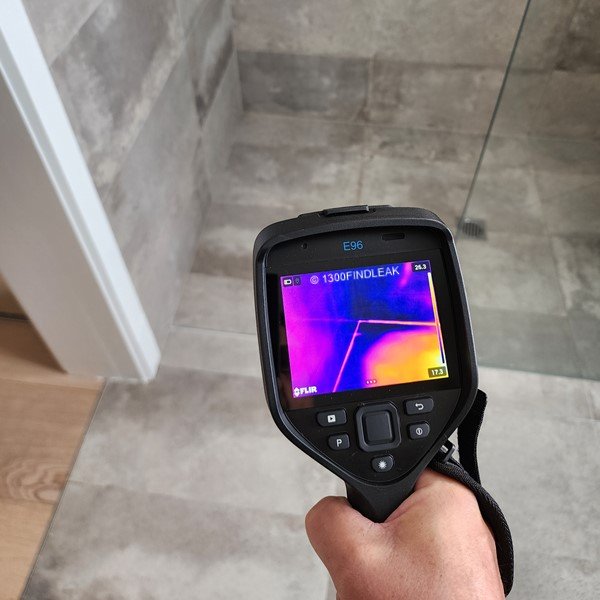
Thermal Imaging Inspections in Sanford in Slab Foundation Houses: Cost Factors and Recovery Insights
In Sanford, Florida, many homes are built on slab foundations — concrete poured directly at ground level instead of traditional crawl spaces or basements. While slabs work well in Florida’s soil and water table conditions, they also make hidden moisture, leaks, and structural issues harder to detect until they’ve become expensive problems. That’s where thermal imaging inspections come into play as a powerful, non-invasive diagnostic tool.
These inspections aren’t just gadgets or “extras.” They help professionals see what’s happening beneath floors, inside walls, and under slabs without tearing anything apart — especially useful after plumbing leaks or AC drainage issues. This guide explains what thermal imaging inspectors look for in Sanford slab homes, what influences pricing, and how the results support recovery and long-term moisture prevention.
What Is a Thermal Imaging Inspection?
A thermal imaging inspection uses infrared cameras to detect surface temperature differences on walls, floors, ceilings, and other structures. Infrared (IR) cameras convert heat patterns into visible color images where temperature differences show up as cool and warm areas — and moisture often appears cooler than dry material due to its heat-absorption properties. (home-probe.com)
In homes with slab foundations, temperature variations can suggest:
- Hidden water leaks beneath the slab
- Moisture intrusion around plumbing penetrations
- AC drain or condensation issues inside walls
- Groundwater rising into living spaces
Because the camera detects temperature — not the moisture itself — a trained inspector interprets patterns and follows up with other tools like moisture meters for confirmation. (home-probe.com)
Why Slab Foundation Homes in Sanford Benefit from Thermal Imaging
Sanford’s warm, humid climate and frequent afternoon thunderstorms create conditions where moisture problems often go unseen until damage has occurred. Slab foundations compound this because:
- Plumbing lines often run through or just below the slab
- Concrete blocks direct contact with soil moisture
- High indoor humidity masks subtle signs of water intrusion
- Flooring materials like tile and vinyl obscure early clues
Without a crawlspace or basement to inspect directly, hidden moisture can migrate beneath the slab or behind walls long before a homeowner notices any signs.
Thermal imaging helps locate suspect thermal anomalies that may suggest moisture pockets or leaks — even when conventional inspections don’t reveal them. (spectora.com)
How a Thermal Imaging Inspection Is Performed
A professional thermal imaging inspection in a Sanford slab foundation house typically follows this sequence:
- Initial Visual Walk-Through: The inspector looks for surface signs of trouble such as staining, warped flooring, or musty odors.
- Infrared Imaging Scan: Using an IR camera, the inspector scans walls, floors, and ceilings looking for temperature irregularities that suggest moisture or voids.
- Temperature Pattern Interpretation: Cooler (or warmer) zones appear as color shifts in the thermal image. Those anomalies may indicate moisture, especially if they align with known plumbing paths or recent leaks. (home-probe.com)
- Moisture Meter Confirmation: Thermal imaging alone doesn’t confirm moisture; it only highlights areas worth deeper investigation via contact moisture meters.
- Report and Recommendations: Inspectors provide thermal images and notes outlining suspect areas and suggested next steps for recovery or further testing.
This whole process is typically non-invasive — meaning no drilling, cutting, or demolition — making it ideal for slab homes. (noshomeinspectors.com)
Cost Factors That Influence Thermal Imaging Inspections
If you’re considering a thermal imaging inspection for your Sanford slab home, prices vary based on several key factors:
1. Scope and Coverage
Some providers include thermal imaging as an add-on to a full home inspection, while others offer it as a standalone service. Add-on thermal scans may cost less overall, but standalone scans focused on moisture issues take longer and require more interpretation. (Home Advisor)
2. Size and Complexity of the Home
Larger properties or homes with many rooms and multiple systems (HVAC, plumbing, etc.) take longer to scan. More square footage usually means higher inspection fees. (Home Advisor)
3. Accessibility Challenges
If flooring covers large slab areas or walls are difficult to access, the inspector might spend extra time capturing usable images — and that added time increases cost.
4. Reporting Detail
Basic scans may involve only a live walkthrough, while more comprehensive inspections include annotated images and a detailed written report. Enhanced reporting typically carries a higher price tag. (Angi)
5. Combine with Other Tests
Many homeowners pair thermal imaging with:
- Moisture meter readings
- Air quality sampling
- Full home inspection reports
Bundling these adds value — but also increases the total cost. (Angi)
Typical Price Range
Across the industry, the average cost for a thermal imaging inspection is between $200 and $500+, with the exact figure depending on the combination of the above factors. (Home Advisor)
What Thermal Imaging Can Detect in Slab Homes
Thermal imaging doesn’t “see” water directly. Instead, it identifies temperature anomalies that may correlate with moisture presence or other issues, such as:
- Cooler zones indicating potential moisture beneath surfaces
- Warm spots suggesting heat loss or insulation gaps
- Patterns along known plumbing or AC lines that reflect moisture migration
While wet concrete often holds a different temperature than dry concrete, proper interpretation requires an experienced inspector who understands how Florida humidity and slab structures behave. (home-probe.com)
How Thermal Imaging Supports Recovery After Leaks
Imagine you had a hidden plumbing leak under your slab foundation. You fixed the pipe, but how do you know the leftover moisture doesn’t continue to cause hidden mold or structural issues?
Thermal imaging supports recovery by:
Pinpointing Hidden Moisture
Thermal scans help identify areas where moisture may remain after initial drying, giving professionals a better sense of where to focus drying equipment and corrective work.
Guiding Targeted Drying
Instead of blowing air across the whole house, technicians can use directional drying in suspect zones, shortening recovery time.
Confirming Moisture Clearance
After remediation and drying, a follow-up thermal scan verifies whether suspect zones have returned to normal temperature patterns.
Documentation for Insurance
Photos and reports from a thermal inspection offer evidence for insurance claims, showing both suspected problem areas and post-recovery conditions.
Limitations and What It Doesn’t Do
Thermal imaging isn’t a standalone “magic scanner.” It’s a powerful diagnostic indicator, but not a definitive moisture tool on its own. That’s why inspectors combine it with:
- Contact moisture meters
- Visual examination
- Plumbing history analysis
Also, factors like ambient temperatures and recent AC runtime can impact results, so timing and interpretation matter. (spectora.com)
Why Local Sanford Experience Matters
Sanford’s climate with high humidity, clay soils, and frequent rain means moisture behaves differently than in drier regions. Experienced local inspectors understand:
- How Florida’s humidity affects thermal signatures
- Seasonal groundwater patterns
- Common AC condensation routes
- Typical slab construction and plumbing runs
This insight ensures that thermal imaging results are interpreted accurately, not just captured as pretty images.
Next Steps for Homeowners
If you suspect hidden issues in your Sanford slab foundation home — especially after leaks, storm events, or persistent humidity — a thermal imaging inspection can give you the clarity you need.
To make the most out of your inspection:
✔ Ask what’s included in the price
✔ Confirm whether an add-on or standalone scan is best
✔ Request a report with annotated images
✔ Pair thermal imaging with moisture meter verification
Early detection helps prevent moisture problems from turning into mold or long-term structural issues — saving you stress and expense down the road.
