
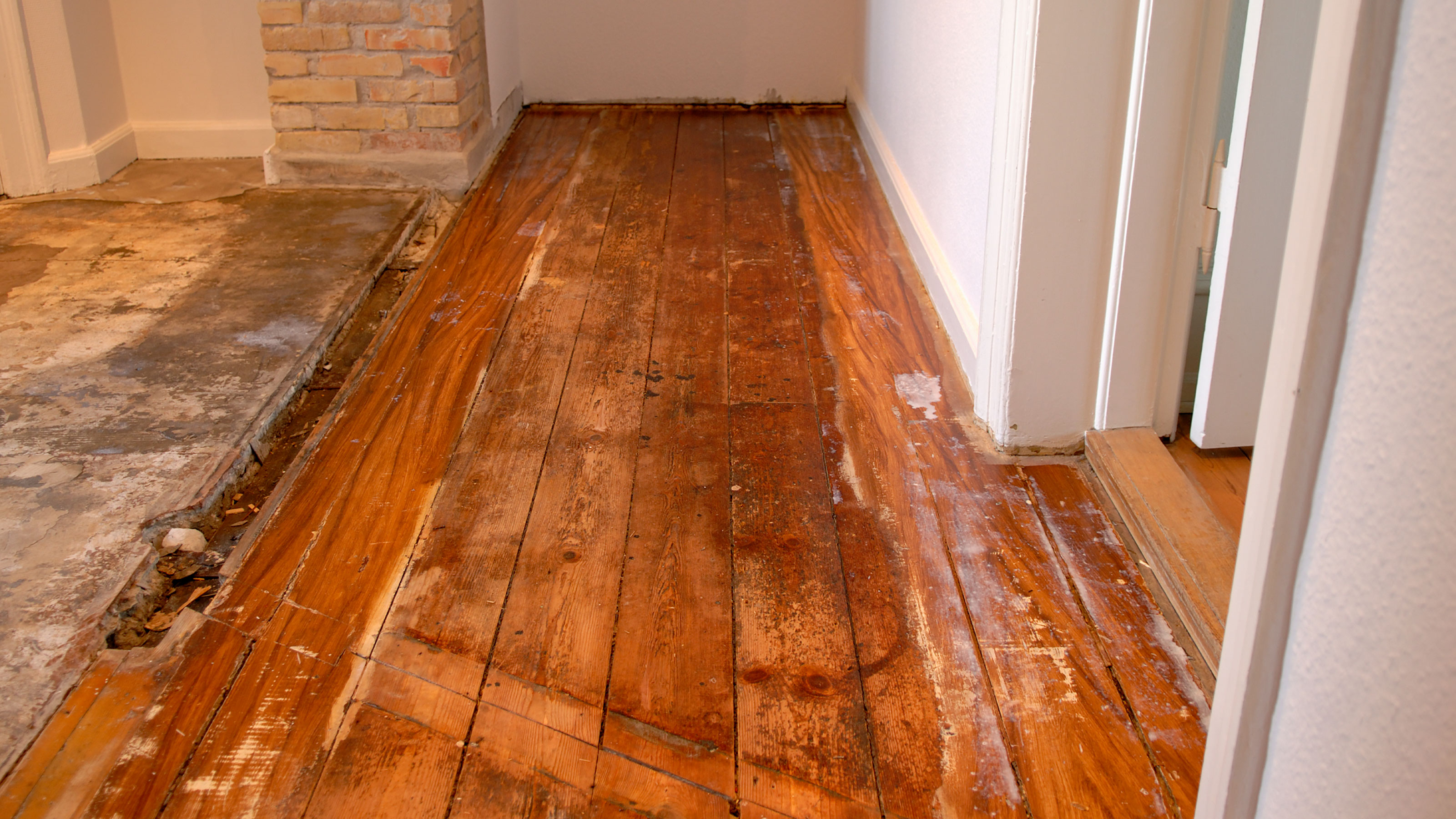
Under Hardwood Flooring in Palm Bay: A Closer Look at Anti-Microbial Fogging
Hardwood flooring adds warmth and value to a home. In Palm Bay, many properties feature hardwood in living rooms, bedrooms, and even hallways to create a clean, coastal look.
But beneath that finished surface, Florida’s moisture conditions can create hidden problems.
Between high humidity, heavy summer rains, and occasional storm-related intrusion, moisture can become trapped beneath hardwood flooring. And when that happens, microbial growth can begin where you can’t see it.
One treatment that often comes up in these situations is anti-microbial fogging. Let’s take a closer look at how it works, when it’s appropriate, and why it’s only one part of the solution in Palm Bay homes.
Why Moisture Gets Trapped Under Hardwood in Palm Bay
Palm Bay’s climate creates ongoing moisture pressure on homes.
Contributing factors include:
- High year-round humidity
- Afternoon thunderstorms during summer
- Hurricane season rainfall
- Slab foundations common in the area
- Air conditioning systems running most of the year
Hardwood flooring is sensitive to moisture changes. Even small amounts of water intrusion from:
- Minor plumbing leaks
- Appliance overflows
- Window intrusion during storms
- AC condensation issues
- Elevated slab moisture
Can migrate beneath the flooring.
Because hardwood is installed tightly over subfloor materials, moisture underneath can remain trapped for extended periods.
That’s when problems begin.
Early Signs of Moisture Under Hardwood
Homeowners in Palm Bay often notice subtle warning signs before realizing there’s a deeper issue.
These may include:
- Cupping or warping boards
- Slight separation between planks
- Soft or spongy spots
- Persistent musty odors
- Increased indoor humidity
Sometimes the surface appears intact, but moisture beneath the flooring continues feeding microbial growth on the subfloor.
By the time discoloration appears, contamination may already be established underneath.
What Happens Beneath the Surface
When moisture remains trapped under hardwood flooring, it affects:
- The wood itself
- The plywood or OSB subfloor
- Adhesives used during installation
- Insulation (if applicable)
In Palm Bay’s humid environment, drying happens slowly without professional intervention.
Wood absorbs moisture, and subfloor materials can develop microbial growth within 24 to 72 hours if conditions remain damp.
Because the area is concealed, the problem often progresses unnoticed.
What Anti-Microbial Fogging Actually Does
Anti-microbial fogging involves dispersing a fine mist of antimicrobial solution into a contained area.
In situations involving hardwood flooring, fogging can:
- Treat exposed subfloor surfaces after flooring removal
- Reduce microbial contamination levels
- Assist with odor control
- Reach tight areas between framing components
The fine particles can travel into small crevices more effectively than wiping alone.
However, fogging does not:
- Dry wet materials
- Replace removal of saturated flooring
- Eliminate deeply embedded mold within wood fibers
- Correct ongoing moisture intrusion
It is most effective after proper drying and material removal have occurred.
Why Fogging Alone Is Not a Complete Solution
One common misunderstanding is that fogging can solve hidden mold issues without removing flooring.
If hardwood remains installed over wet subflooring, fogging cannot penetrate deeply enough to correct the issue.
In Palm Bay homes, proper remediation often requires:
- Removing affected hardwood planks
- Drying the subfloor to safe moisture levels
- Replacing saturated materials when necessary
- Addressing the moisture source
Only after these steps should anti-microbial fogging be applied as a finishing treatment.
Without moisture correction, contamination is likely to return.
The Professional Evaluation Process
When moisture is suspected under hardwood flooring, the first step is assessment.
This typically includes:
1. Visual Inspection
Checking for visible warping, staining, or damage.
2. Moisture Mapping
Using moisture meters to measure slab and subfloor moisture levels.
3. Thermal Imaging
Identifying hidden damp areas beneath flooring.
4. HVAC Assessment
Ensuring condensation or airflow issues are not contributing.
Understanding the moisture source is critical before deciding on treatment.
Proper Remediation Under Hardwood Flooring
If microbial growth is confirmed beneath hardwood flooring, remediation generally follows a structured approach.
Containment
The affected area is isolated to prevent airborne particles from spreading to other parts of the home.
Removal
Damaged hardwood planks and saturated subfloor sections may need to be removed.
Structural Drying
Commercial dehumidifiers and air movers reduce moisture to safe levels.
Cleaning and Treatment
Exposed framing and subfloor surfaces are cleaned and treated with appropriate antimicrobial solutions.
Anti-Microbial Fogging
Once drying and cleaning are complete, fogging may be applied to treat exposed surfaces and assist with odor control.
Air Filtration
HEPA air scrubbers improve air quality during the process.
Each step builds upon the previous one.
Fogging is a supporting treatment — not the primary repair.
Why Palm Bay’s Climate Requires Extra Attention
Palm Bay’s coastal proximity and high humidity create conditions where moisture problems escalate quickly.
Even small leaks can:
- Saturate subfloors
- Cause long-term wood distortion
- Encourage hidden microbial growth
Slab foundations, common in this area, can also transmit ground moisture upward if vapor barriers are compromised.
That’s why moisture evaluation should never be skipped when hardwood begins to show signs of distortion.
Preventing Future Moisture Under Hardwood
Homeowners in Palm Bay can reduce risk with proactive steps:
- Maintain indoor humidity below 55%
- Service HVAC systems regularly
- Inspect plumbing connections and appliance lines
- Address minor leaks immediately
- Monitor slab moisture if installing new flooring
- Schedule inspections after major storms
Hardwood flooring performs well in Florida when moisture is controlled.
The key is staying ahead of humidity and intrusion before damage occurs.
Why Local Experience Matters
Moisture patterns in Palm Bay differ from inland regions.
High humidity, slab construction, and heavy seasonal rainfall create specific challenges for hardwood flooring.
A local professional understands:
- How slab moisture affects flooring
- Common storm-related intrusion points
- How AC systems contribute to condensation
- Which materials perform best in coastal environments
Inspections and More FL works throughout Palm Bay and surrounding areas, addressing these exact moisture patterns regularly.
Understanding local building styles and climate conditions leads to more accurate diagnosis and effective remediation.
A Practical Next Step
If you’re noticing cupping, musty odors, or humidity changes in your Palm Bay home, it’s worth having the area evaluated.
Anti-microbial fogging may be part of the solution.
Or the issue may require targeted material removal and structural drying.
The most important step is identifying:
- Where moisture is coming from
- Whether subfloor materials are affected
- How to prevent recurrence
Hardwood flooring can be preserved when moisture issues are handled correctly and promptly.
A careful, structured inspection provides clarity and helps prevent small problems from becoming larger repairs.
Word Count: 1,168 words
