Understanding Air Blower Installation Challenges in Palm Bay Inside Attic Spaces
Attic spaces in Palm Bay homes are some of the most moisture-sensitive areas in the entire structure. They sit directly beneath the roof, absorb intense Florida heat, and collect humid air year-round. When water intrusion or condensation occurs inside an attic, structural drying often requires strategic air blower installation.
But attic drying in Palm Bay is not as simple as placing a few fans and waiting. Coastal humidity, high temperatures, and insulation layers create real challenges. In homes across Palm Bay — as well as nearby Melbourne, Merritt Island, Cocoa, and even inland toward Sanford — proper air blower installation inside attic spaces must be carefully planned to prevent incomplete drying and recurring damage.
Understanding these challenges helps homeowners appreciate why professional structural drying is essential.
What the Issue Is
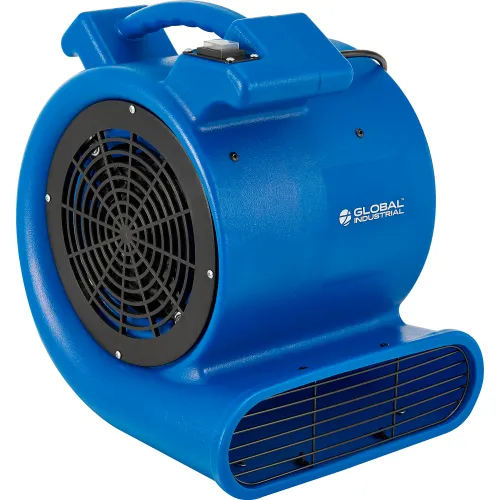
Air blowers, also called air movers, are high-powered devices designed to accelerate evaporation from damp materials. In attic environments, they are used after:
- Roof leaks
- Storm-driven rain intrusion
- Flashing failures
- AC duct condensation
- Hurricane damage
- Plumbing leaks affecting ceiling cavities
Attics contain structural components such as:
- Roof decking
- Trusses
- Rafters
- Insulation
- HVAC ductwork
When moisture infiltrates these materials, it becomes trapped beneath insulation and within wood framing.
Air blower installation supports structural dryouts by moving controlled airflow across damp surfaces while dehumidifiers remove moisture from the air.
Why This Happens So Often in Palm Bay
Palm Bay’s environment makes attic moisture issues common.
Coastal Humidity
Outdoor air remains saturated for long periods.
Salt Air Exposure
Corrosion weakens roof fasteners and flashing over time.
Heavy Storm Activity
Wind-driven rain penetrates roof assemblies.
High Heat Load
Attics reach extreme temperatures, increasing condensation risk.
Continuous AC Operation
Cold ducts in hot attic spaces create moisture buildup.
Homes in Merritt Island and Cocoa face similar coastal pressure, while Melbourne properties closer to water often see elevated attic humidity.
When moisture enters attic spaces, drying must happen quickly to prevent mold activation.
Common Signs Property Owners Notice
Before air blower installation becomes necessary, homeowners may notice:
- Ceiling discoloration
- Musty odors
- Hot or uneven rooms
- AC inefficiency
- Visible mold on attic decking
- Insulation clumping or compression
Often, attic moisture remains undetected until visible signs appear inside the living area.
By that point, embedded moisture may be widespread.
Hidden Challenges of Attic Drying
Attics present unique drying obstacles.
Insulation Layers
Insulation traps moisture against roof decking and framing.
Limited Accessibility
Tight spaces make equipment placement difficult.
Heat Accumulation
Extreme attic temperatures complicate evaporation balance.
Ventilation Imbalance
Improper airflow can push moisture into other areas.
Duct Obstructions
HVAC systems limit air movement and equipment positioning.
Without strategic planning, air blowers may circulate humid air without removing embedded moisture.
Why DIY Drying Fails in Attics
Homeowners sometimes attempt to dry attics by:
- Running box fans
- Opening attic vents
- Relying on natural airflow
In Florida’s climate, these methods rarely work.
Outdoor air is frequently humid, limiting evaporation. Standard fans lack the directional force needed to pull moisture from framing cavities.
DIY limitations include:
- No moisture measurement
- No humidity control
- No negative air pressure
- No daily monitoring
Incomplete drying often results in mold regrowth.
Professional equipment is required for effective structural drying.
Professional Inspection & Detection Explained
Before air blower installation begins, a structured evaluation is performed.
In Palm Bay homes, this typically includes:
Visual Roof Assessment
Checking flashing, decking, and penetrations.
Moisture Meter Testing
Measuring moisture in wood framing.
Thermal Imaging
Identifying hidden damp areas.
Insulation Evaluation
Determining if removal is necessary.
Humidity Monitoring
Confirming indoor moisture levels.
Inspections and More FL frequently identifies hidden attic moisture even when roof repairs have already been completed.
Drying plans are based on measurable data.
The Science Behind Air Blower Installation
Structural drying in attic spaces depends on controlled evaporation.
Air blowers are positioned to:
- Direct airflow across wet framing
- Create consistent air movement
- Increase evaporation rates
- Prevent stagnant humidity pockets
At the same time, industrial dehumidifiers remove moisture from the air to prevent reabsorption.
The goal is to reduce wood moisture content to safe levels while maintaining balanced indoor humidity.
Attic drying must be monitored carefully to avoid pushing moist air into wall cavities.
How Air Blower Installation Protects Palm Bay Homes
When properly executed, air blower installation:
- Prevents mold growth on roof decking
- Protects trusses and rafters
- Preserves insulation performance
- Reduces ceiling damage risk
- Prevents long-term structural deterioration
- Stabilizes indoor air conditions
Because attic spaces affect the entire home’s airflow, drying them thoroughly protects both structure and air quality.
Ignoring embedded moisture often leads to recurring remediation needs.
Preventing Recurring Attic Moisture in Palm Bay
Homeowners can reduce future drying needs by:
- Inspecting roof flashing annually
- Maintaining attic ventilation
- Insulating HVAC ducts properly
- Cleaning AC condensate lines
- Scheduling post-storm inspections
- Monitoring indoor humidity (45–55%)
- Checking attic spaces seasonally
Homes in Merritt Island, Cocoa, Melbourne, and Sanford benefit from similar preventive maintenance.
Proactive evaluation limits structural damage.
Why Local Florida Experience Matters
Attic drying in Florida differs from dry inland climates.
Palm Bay’s:
- Elevated dew points
- Coastal air exposure
- Frequent storms
- Slab and attic construction
- Warm year-round temperatures
… create sustained moisture pressure.
Professionals familiar with Central Florida building styles understand how attic ventilation systems interact with humidity.
Inspections and More FL approaches air blower installation with this local expertise — ensuring drying is complete and moisture sources are corrected.
Experience reduces repeat attic damage.
A Calm, Practical Next Step
If your Palm Bay home has experienced roof leaks, storm intrusion, or persistent attic humidity, early moisture detection can determine whether structural drying is necessary.
Air blower installation is not simply about moving air — it’s about restoring balance to structural materials before mold develops.
In Florida’s humid climate, attic moisture spreads quietly.
With proper inspection, controlled airflow, and humidity management, attic spaces can remain stable and protected year-round.