
Understanding Air Scrubbing Challenges in Merritt Island When AC Condensation Becomes a Problem
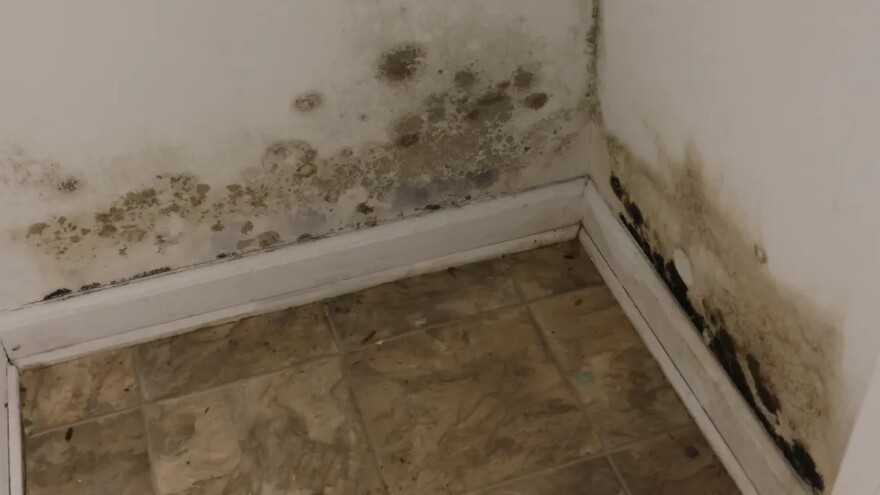
In Merritt Island, air conditioning systems don’t get much of a break. With coastal humidity, warm temperatures, and long summers, AC units run frequently to maintain indoor comfort. But when condensation problems develop, that same system designed to remove moisture can quietly introduce it into the home.
Clogged condensate lines, cracked drain pans, sweating ductwork, or improper installation can allow water to seep into HVAC closets, wall cavities, ceilings, and even flooring systems. When that happens, air scrubbing often becomes part of the remediation process — but it comes with unique challenges in Florida’s coastal environment.
Let’s take a closer look at why AC condensation leads to indoor air concerns in Merritt Island and what makes air scrubbing more complex in these situations.
Why AC Condensation Problems Are Common in Merritt Island
Living between the Indian River Lagoon and the Atlantic Ocean means persistent humidity. AC systems must remove large volumes of moisture from indoor air daily.
Condensation is a normal part of that process. However, problems arise when:
- Drain lines clog
- Drain pans crack or rust
- Units are improperly leveled
- Duct insulation deteriorates
- Condensate pumps fail
Because AC units often sit inside interior closets or attics, small leaks may go unnoticed for weeks.
Moisture builds slowly — and silently.
How Condensation Leads to Air Quality Issues
When water leaks from an AC system, it can:
- Saturate drywall
- Soak insulation
- Spread along slab edges
- Accumulate behind baseboards
- Travel into adjacent wall cavities
As structural drying begins, airflow increases. This can disturb microscopic particles from damp materials.
In Florida’s warm climate, prolonged moisture may also support microbial growth inside enclosed spaces.
Air scrubbing helps control indoor air conditions during remediation — but its effectiveness depends on how it’s used.
What Air Scrubbing Does
Air scrubbers use HEPA filtration to remove airborne particles from indoor air.
During condensation-related remediation, air scrubbers:
- Capture fine airborne debris
- Improve indoor air quality
- Reduce cross-contamination
- Support containment efforts
However, air scrubbing does not remove moisture from materials. It works alongside structural drying.
That’s where the challenges come in.
Air Scrubbing Challenges in Coastal Merritt Island Homes
1. High Ambient Humidity
Even with AC running, indoor humidity may remain elevated.
If dehumidification is insufficient, moisture continues evaporating from wet materials, prolonging remediation timelines.
Air scrubbing alone does not address humidity levels.
2. Tight HVAC Closets
Many Merritt Island homes have compact mechanical closets.
Air scrubbers must be positioned carefully to ensure proper airflow without disrupting containment.
Limited space can restrict equipment efficiency.
3. Slab Vapor Interaction
In slab-on-grade homes, condensation leaks near floor level may combine with slab vapor transmission.
Moisture beneath flooring can continue evaporating even after the AC issue is corrected.
Air scrubbing must be paired with structural drying and dehumidification.
4. Ongoing Coastal Moisture Pressure
Coastal humidity remains high year-round.
If exterior doors are opened frequently during remediation, humid air re-enters, slowing drying and increasing filtration demands.
Proper containment is critical.
Why Air Scrubbing Alone Isn’t Enough
Homeowners sometimes assume that running an air scrubber solves the problem.
However:
- Moisture must be removed from materials
- The AC source must be repaired
- Structural drying must reach hidden areas
- Humidity must be controlled
Without correcting the root cause, air scrubbing only manages airborne particles temporarily.
True stabilization requires moisture control first.
The Structured Remediation Approach
When AC condensation causes moisture spread, the process typically includes:
1. Source Correction
Repair condensate lines, drain pans, or duct insulation.
2. Moisture Mapping
Use moisture meters and thermal imaging to identify hidden dampness.
3. Containment
Isolate affected areas to prevent cross-contamination.
4. Structural Drying
Deploy air movers and commercial dehumidifiers.
5. Air Scrubbing
Filter airborne particles continuously during drying.
6. Verification
Confirm moisture levels return to safe ranges.
At Inspections and More FL, projects in Merritt Island emphasize balanced airflow, humidity control, and filtration working together.
Signs Air Scrubbing May Be Necessary
After condensation-related leaks, homeowners may notice:
- Musty odors near HVAC areas
- Visible staining around AC closets
- Increased indoor humidity
- Dust movement during drying
- Sensitivity to indoor air changes
These signs indicate that both moisture management and air filtration may be required.
Preventing Condensation-Related Issues
Homeowners in Merritt Island can reduce risk by:
Flushing Condensate Lines Regularly
Prevent clogs from algae buildup.
Inspecting Drain Pans Annually
Check for rust or cracks.
Monitoring Indoor Humidity
Maintain levels between 45–55%.
Ensuring Proper Duct Insulation
Prevent sweating in attic spaces.
Scheduling Post-Leak Evaluations
Even minor overflows deserve inspection.
Routine oversight reduces the likelihood of hidden moisture spread.
Why Local Experience Matters
AC condensation behaves differently in Florida’s coastal environment than in dry climates.
Merritt Island homes face:
- Persistent humidity
- Warm temperatures year-round
- Slab construction
- Frequent heavy rain
- Salt air corrosion
Understanding how these factors influence moisture movement ensures air scrubbing and drying efforts are appropriately scaled.
Local knowledge allows accurate interpretation of moisture readings and air quality conditions.
A Calm, Practical Next Step
If your Merritt Island home has experienced AC condensation overflow or you’ve noticed persistent humidity near mechanical areas, a professional moisture evaluation is a practical step.
An assessment can determine:
- Whether hidden moisture remains
- If structural drying is required
- Whether air scrubbing is necessary
- How to prevent recurrence
Inspections and More FL works with homeowners throughout Merritt Island, Cocoa, Palm Bay, Melbourne, and Sanford to evaluate condensation-related moisture and apply structured remediation strategies suited to Florida’s coastal climate.
AC systems are designed to manage humidity. When condensation escapes that system, addressing both moisture and air quality ensures your home remains stable and protected long term.
