
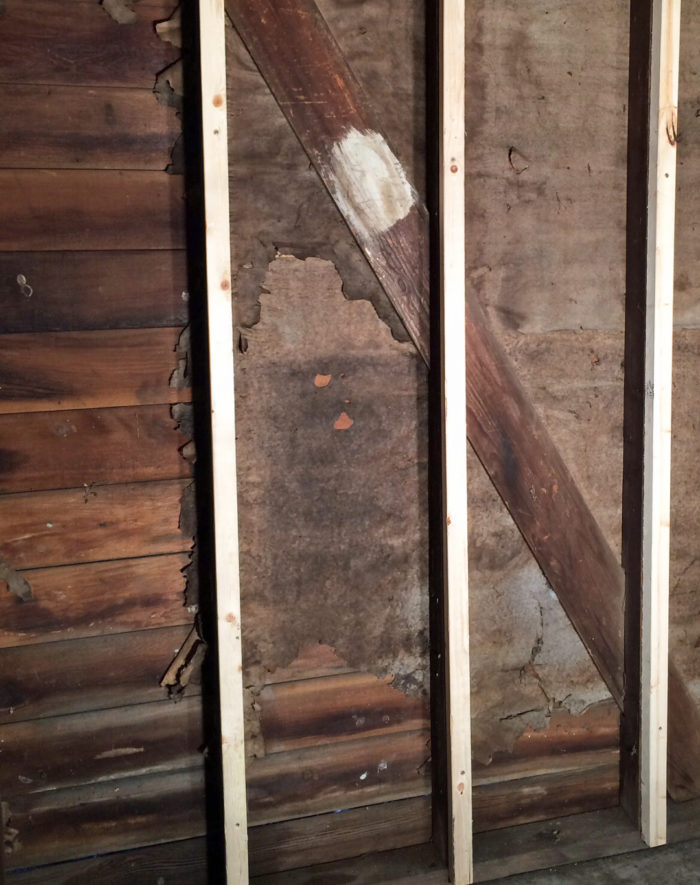
Understanding Air Scrubbing Challenges in Palm Bay Behind Interior Walls
When moisture problems develop behind interior walls in Palm Bay homes, the damage isn’t always visible right away. Paint may look fine. The wall may feel dry to the touch. But inside the cavity, insulation and framing can hold moisture longer than expected.
Once remediation begins, air scrubbing often becomes part of the process — especially if drywall is removed and structural components are exposed. But air scrubbing behind interior walls comes with specific challenges that many property owners don’t realize.
In Palm Bay’s humid, coastal-influenced environment, filtration and airflow must be handled carefully to prevent contamination from spreading beyond the affected area.
Let’s take a closer look at why air scrubbing behind interior walls requires a controlled approach — and what homeowners should understand.
Why Interior Wall Cavities Are Problem Areas in Palm Bay
Palm Bay properties deal with:
- High year-round humidity
- Heavy seasonal rain
- Wind-driven storms
- Long AC operating cycles
- Slab-on-grade construction
- Elevated groundwater levels in certain neighborhoods
Moisture can enter wall cavities through:
- Plumbing leaks
- Roof intrusion traveling downward
- AC drain line overflows
- Slab vapor transmission
- Window or sliding door seal failures
Because wall cavities are enclosed spaces with limited airflow, drying is slow.
If mold develops, opening the wall exposes contamination to the indoor environment.
That’s where air scrubbing becomes critical.
What Air Scrubbing Actually Does
Air scrubbers use multi-stage filtration systems, including HEPA filters, to capture airborne particles during remediation.
They help:
- Remove airborne contaminants
- Maintain negative air pressure
- Prevent cross-contamination
- Reduce particle spread during demolition
- Improve indoor air stability during cleanup
Air scrubbing does not remove mold from surfaces. It supports containment while cleaning and drying occur.
Why Air Scrubbing Behind Walls Is More Challenging
1. Containment Must Be Precise
When drywall is removed, the cavity is exposed.
Without proper containment:
- Airborne particles can spread to adjacent rooms
- HVAC systems may circulate contaminants
- Settling debris may affect other areas
Plastic barriers and negative air setups must be carefully installed.
2. Limited Access to Cavities
Wall cavities are narrow and segmented by studs.
Airflow must be directed carefully to reach exposed areas without disturbing unaffected sections.
Improper airflow can stir debris instead of capturing it.
3. Humidity Interference
Palm Bay’s humidity slows settling of airborne particles.
Moist air can keep contaminants suspended longer.
Air scrubbers may need to run longer to stabilize conditions.
4. HVAC System Interaction
Many homes share air return pathways near wall cavities.
If the HVAC system remains active during remediation, air movement can disrupt containment.
Proper isolation is essential.
5. Hidden Moisture Spread
Moisture behind walls may extend beyond the visibly opened section.
Air scrubbing must account for potential adjacent contamination zones.
Thermal imaging and moisture mapping define the full footprint.
Step-by-Step: How Air Scrubbing Is Properly Used Behind Walls
Step 1: Moisture Detection and Source Correction
Before opening walls, professionals identify:
- Active leaks
- Elevated moisture readings
- Slab vapor involvement
- Adjacent damp areas
Source correction must occur first.
Air scrubbing does not address active moisture.
Step 2: Containment Installation
Plastic barriers isolate the work zone.
Negative air pressure is established by exhausting filtered air outside.
This ensures airborne particles do not migrate into clean areas.
Step 3: Controlled Demolition
Drywall and insulation are removed carefully.
Air scrubbers run continuously during this process.
They capture disturbed particles immediately.
Step 4: HEPA Cleaning of Structural Components
Framing and sheathing are cleaned thoroughly.
Air scrubbing supports particle control during this stage.
Step 5: Structural Drying
Dehumidifiers and air movers stabilize moisture levels.
Air scrubbers remain operational until air quality conditions stabilize.
Companies like Inspections and More FL emphasize combining drying with filtration because Florida’s humidity increases airborne persistence.
Step 6: Final Verification
Moisture readings confirm structural dryness.
Containment remains until stability is confirmed.
Removing barriers too early increases recurrence risk.
Common Mistakes Property Owners Make
Turning Off Equipment Too Soon
Once visible debris is gone, some assume filtration is no longer needed.
Residual particles may still be airborne.
Failing to Seal Adjacent Rooms
Leaving doors open during remediation disrupts containment.
Airflow must remain controlled.
Running HVAC During Active Remediation
Air circulation can interfere with negative pressure setups.
Coordination matters.
Assuming Small Openings Mean Small Problems
Moisture often spreads beyond the initially exposed area.
Thermal imaging defines the real scope.
Cost Factors to Consider
Air scrubbing costs behind interior walls depend on:
- Size of the affected area
- Number of containment zones required
- Duration of equipment operation
- Level of contamination
- Environmental humidity
Early detection reduces containment size and equipment duration.
Delays increase both.
Why Early Detection Saves Money
When moisture is caught early:
- Fewer wall sections are opened
- Containment zones remain smaller
- Equipment runs for shorter periods
- Structural cleaning is less extensive
In Palm Bay’s climate, small moisture issues expand quickly if left unaddressed.
Long-Term Prevention Strategies
After remediation, homeowners should:
- Maintain plumbing systems
- Monitor indoor humidity
- Inspect roofs after storms
- Maintain AC systems
- Inspect baseboards for swelling
- Schedule periodic moisture evaluations
Preventative care reduces repeat projects.
Why Local Experience Matters
Air scrubbing behind walls in Palm Bay requires understanding:
- Coastal humidity behavior
- Slab vapor transmission patterns
- AC condensation trends
- Storm-driven moisture entry points
- Realistic drying timelines in Florida air
Local professionals recognize how these environmental factors affect containment and filtration planning.
A Practical Next Step
If your Palm Bay home has experienced hidden moisture behind interior walls, don’t rely on surface cleaning alone.
Professional air scrubbing — combined with proper containment and structural drying — ensures contamination stays controlled during remediation.
In Florida’s humid climate, airflow management isn’t optional. It’s a key part of protecting the rest of your home while moisture problems are corrected.
