
Understanding Anti-Microbial Fogging Challenges in Melbourne After Flooding Events
Flooding events in Melbourne create some of the most complex moisture and contamination challenges property owners face. Whether caused by tropical storms, heavy rainfall, drainage overflow, or rising groundwater levels, floodwater rarely affects only visible surfaces.
Even after standing water is removed and repairs begin, moisture and microbial contamination often remain embedded deep within building materials. This is where anti-microbial fogging becomes part of the recovery process — helping address conditions that traditional cleaning cannot fully reach.
However, applying fogging treatments after flooding presents unique challenges, especially within Florida’s humid coastal climate. Understanding these challenges helps homeowners and property managers make informed decisions during restoration.
What Happens Inside a Property After Flooding
Floodwater moves quickly through a structure, penetrating materials far beyond what appears damaged.
Commonly affected areas include:
- Drywall and insulation
- Subflooring systems
- Baseboards and framing
- Interior wall cavities
- HVAC pathways
- Cabinets and built-in structures
In Melbourne homes, warm temperatures and humidity prevent rapid drying. Moisture becomes trapped inside porous materials, creating conditions where microbial growth can begin within a short period.
Even after cleanup, invisible contamination may remain active.
What Anti-Microbial Fogging Is Designed to Do
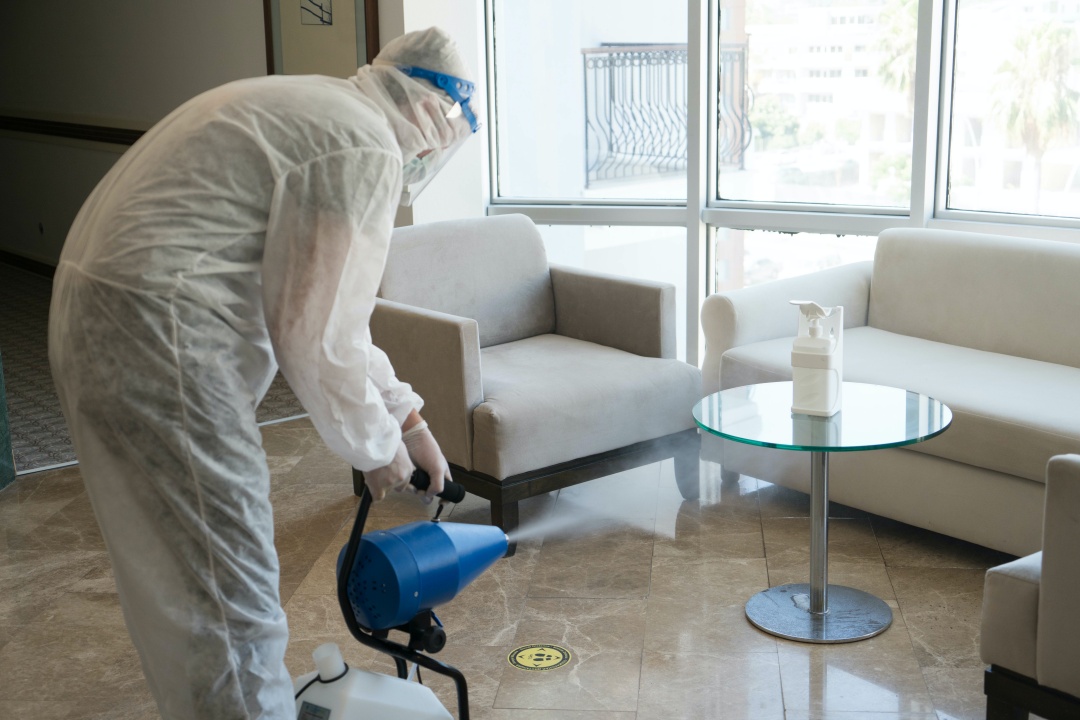
Anti-microbial fogging distributes a fine treatment mist throughout affected indoor spaces.
The fogging process helps treat:
- Airborne microbial particles
- Contaminated structural surfaces
- Hard-to-reach cavities
- Residual contamination after drying
- Odor-causing microbial activity
Unlike wiping or spraying surfaces manually, fogging allows treatment to disperse evenly throughout enclosed environments.
After flooding, this broader coverage becomes important because contamination rarely remains localized.
Why Flooding Creates Unique Fogging Challenges in Melbourne
Flood-related restoration differs significantly from standard moisture events.
Excessive Moisture Saturation
Floodwater saturates materials completely, making it difficult for antimicrobial treatments to remain effective until drying is complete.
Florida Humidity Slows Recovery
High outdoor humidity prevents structures from drying quickly, extending microbial risk periods.
Contaminant Load
Floodwater often carries soil particles, organic debris, and microorganisms that increase contamination complexity.
Hidden Moisture Migration
Water spreads beneath flooring and behind walls, creating areas fogging mist may struggle to reach without preparation.
These conditions require careful timing and coordination before fogging begins.
The Timing Challenge: Fogging Too Early
One of the most common challenges after flooding is applying fogging treatments before structures are properly dried.
When surfaces remain wet:
- Treatments dilute quickly
- Microbial activity may continue
- Moisture reactivates contamination
- Results become temporary
Professional restoration typically prioritizes water extraction and structural drying first.
Fogging becomes effective only after environmental moisture levels stabilize.
Access and Coverage Limitations
Flooding often affects concealed structural areas that are difficult to access directly.
Challenges include:
- Saturated insulation blocking treatment penetration
- Enclosed wall cavities
- Flooring systems trapping moisture
- Cabinet voids and subfloor spaces
Without removal of heavily damaged materials, fogging mist may not distribute evenly.
Proper preparation ensures treatment reaches intended areas.
Airflow and Containment Complications
Flood restoration environments frequently involve disturbed materials and demolition zones.
Air movement must be carefully controlled to prevent contamination spread during fogging.
Professionals often establish:
- Containment barriers
- Negative air pressure zones
- Controlled airflow pathways
These measures help ensure antimicrobial mist treats affected areas without spreading particles elsewhere in the property.
Why DIY Fogging Attempts Often Fall Short
After flooding, some property owners attempt consumer-grade fogging or disinfectant applications.
Common problems include:
- Incomplete treatment coverage
- Moisture sources remaining active
- Lack of containment
- Improper chemical distribution
Without inspection and drying verification, fogging may temporarily reduce odors while underlying contamination persists.
Flood-related environments typically require coordinated professional remediation.
Professional Inspection Before Fogging
Effective anti-microbial fogging begins with detailed post-flood assessment.
A professional process often includes:
Moisture Mapping
Identifying saturated structural materials.
Thermal Imaging Inspection
Locating hidden moisture pockets.
Humidity Evaluation
Confirming drying progress.
Contamination Assessment
Determining treatment scope.
Companies such as Inspections and More FL focus on verifying moisture control before fogging application, improving long-term outcomes.
How Fogging Fits Into Flood Restoration
Anti-microbial fogging functions as one step within a broader recovery strategy.
A typical flood restoration process may involve:
- Water extraction
- Removal of damaged materials
- Structural drying with air blowers
- Industrial dehumidification
- HEPA air scrubbing
- Anti-microbial fogging
- Mold remediation if needed
- Odor control measures
- Moisture source correction
Fogging helps stabilize indoor environments after drying and cleanup phases are completed.
Preventing Future Post-Flood Microbial Problems
Melbourne property owners can reduce future risks by focusing on prevention.
Recommended actions include:
- Inspect properties after heavy rain events
- Improve exterior drainage systems
- Maintain roofing and sealing systems
- Monitor humidity levels indoors
- Schedule professional evaluations following flooding
Early intervention limits long-term structural impact.
Why Local Florida Experience Matters
Flood recovery in Florida differs significantly from restoration in other regions.
Professionals familiar with Melbourne understand:
- Coastal storm patterns
- Groundwater behavior
- Humidity-driven drying delays
- Construction methods common to Brevard County
- Flood-related moisture migration pathways
Inspections and More FL frequently encounters homes where flood cleanup appeared complete, yet lingering microbial conditions required additional environmental treatment.
Local knowledge allows restoration strategies to match Florida’s climate realities.
Moving Forward After Flooding Events
Flooding creates more than visible water damage. Hidden moisture and microbial contamination often remain long after cleanup ends.
Anti-microbial fogging provides an important layer of environmental treatment when applied at the right stage of restoration. When combined with proper drying and moisture correction, it helps restore stable indoor conditions.
For Melbourne property owners, professional evaluation after flooding ensures recovery efforts address both structural damage and indoor environmental quality — helping prevent recurring moisture and contamination challenges in the future.
