
Understanding Anti-Microbial Fogging Challenges in Sanford in Rental Properties
Sanford rental properties offer landlords a solid investment opportunity, but maintaining these homes comes with unique challenges, especially when it comes to mold, moisture, and indoor air quality. Anti-microbial fogging is a common post-contamination strategy used to disinfect and prevent microbial growth, but in rental properties, its application can be more complicated than in owner-occupied homes.
Florida’s humid climate, coastal influences, and frequent storms create conditions that make rental properties especially susceptible to mold. Understanding the challenges of anti-microbial fogging, how it works, and why professional oversight is essential can help property managers, landlords, and tenants avoid recurring contamination issues.
Why Rental Properties Are Particularly Vulnerable
Sanford rental properties face specific risk factors:
- High tenant turnover: Rapid changes in occupancy can mask moisture problems and delay detection.
- Variable maintenance standards: Older or poorly maintained properties may already have hidden leaks or water intrusion.
- Humidity and storms: Florida’s coastal climate ensures that moisture issues are persistent year-round.
- Limited monitoring: Tenants may not recognize or report early mold signs promptly.
These factors create an environment where anti-microbial fogging is necessary, but also more complex to execute safely and effectively.
What Anti-Microbial Fogging Does
Anti-microbial fogging involves dispersing a fine mist of EPA-approved solutions to treat contaminated areas. Its main purposes are:
- Reducing microbial contamination: Kills mold, bacteria, and other microorganisms on surfaces.
- Reaching hidden areas: Fine mist can penetrate wall cavities, ceilings, and HVAC vents.
- Supporting remediation: Often used after structural drying and cleaning to prevent regrowth.
However, fogging alone does not remove mold or correct moisture issues—it is part of a broader remediation plan.
Common Challenges in Sanford Rental Properties
Applying anti-microbial fogging in rental units involves several complications not present in owner-occupied homes:
1. Occupancy and Access
- Tenants may be reluctant to vacate units during treatment.
- Fogging requires full vacating of affected areas for safety, often for several hours.
- In multi-unit buildings, coordinating access across multiple properties can be difficult.
2. Diverse Building Materials
- Older rental units may have mixed materials—plaster, drywall, wood, tile—which react differently to fogging solutions.
- Some surfaces may be sensitive to chemical contact, requiring careful selection of anti-microbial agents.
3. Hidden Moisture
- Anti-microbial fogging is ineffective if moisture remains behind walls, under floors, or in attics.
- Without proper dehumidification and drying, mold regrowth is likely.
4. HVAC Systems
- Rental properties often have shared or older HVAC systems.
- Fogging must be carefully applied to prevent dispersal of chemicals into neighboring units or return ducts.
5. Tenant Health and Safety
- Chemicals used in fogging can be irritants; proper ventilation and evacuation are essential.
- Landlords must comply with safety regulations, providing tenants with adequate notice and clear instructions.
Recognizing When Fogging Is Necessary
Anti-microbial fogging is most effective in certain conditions:
- Post-water intrusion from storms, plumbing leaks, or roof failures
- Visible mold growth in inaccessible areas
- High humidity and poor ventilation that increase microbial proliferation
- As a preventative measure after major remediation to prevent regrowth
Fogging is not a substitute for proper mold removal or structural drying, but rather a complementary step.
Professional Anti-Microbial Fogging Process
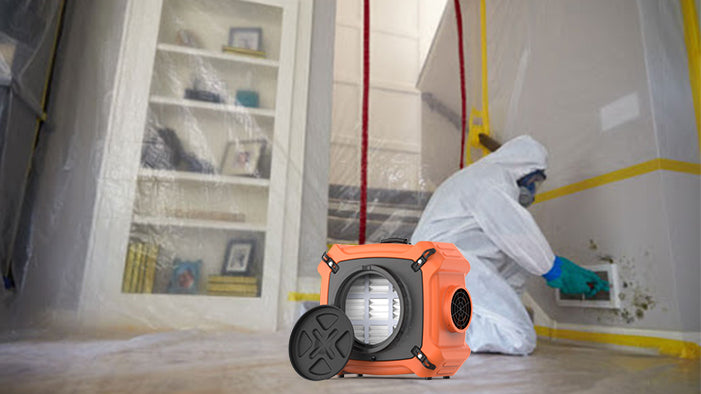
Professional fogging typically involves:
Step 1: Inspection and Assessment
- Identify moisture sources, mold-affected areas, and HVAC contamination.
- Determine whether structural drying or material removal is required before fogging.
Step 2: Containment and Preparation
- Vacate affected units and seal areas to prevent chemical drift.
- Remove sensitive materials or cover them to avoid damage.
Step 3: Fogging Application
- Fine mist of anti-microbial solution applied to walls, ceilings, HVAC vents, and other contaminated surfaces.
- Fogging may include multiple passes depending on size and complexity of property.
Step 4: Post-Fogging Ventilation
- Areas must be ventilated thoroughly to allow chemicals to dissipate.
- Air scrubbers may be used concurrently to capture residual spores and improve air quality.
Step 5: Monitoring and Follow-Up
- Moisture and microbial levels are tested to ensure effectiveness.
- Additional remediation or fogging may be scheduled if conditions persist.
Long-Term Protection Strategies in Rental Units
Fogging is only effective as part of a comprehensive moisture and mold management plan:
1. Routine Inspections
- Check for leaks in plumbing, roofs, and windows regularly.
- Inspect attics, crawl spaces, and HVAC systems for early signs of moisture.
2. Tenant Education
- Inform tenants about signs of leaks and mold.
- Encourage prompt reporting to prevent hidden growth.
3. HVAC Maintenance
- Clean and service ductwork and condensate lines regularly.
- Install filtration systems to reduce airborne spores.
4. Humidity Control
- Maintain indoor humidity between 45–55% using dehumidifiers or HVAC adjustments.
- Monitor multi-unit buildings to ensure consistent environmental conditions.
5. Post-Storm Protocols
- Inspect and dry units immediately after hurricanes or heavy rainfall.
- Address minor leaks promptly to prevent escalation.
Common Mistakes to Avoid
- Skipping structural drying: Fogging without drying leads to mold regrowth.
- Ignoring tenant safety: Failure to vacate units or provide ventilation risks health.
- Using fogging as a standalone solution: Only effective when combined with moisture control and remediation.
- Overlooking HVAC systems: Airborne spores in ducts can compromise treatment efficacy.
Importance of Local Expertise
Sanford professionals, such as Inspections and More FL, bring local knowledge that is crucial for rental properties:
- Understanding of Florida’s coastal climate and humidity challenges
- Experience with older or multi-unit rental construction
- Expertise in coordinating tenant access and safety compliance
- Ability to integrate fogging with dehumidification, air scrubbing, and moisture control
Local expertise ensures the treatment is both effective and safe while minimizing disruptions to tenants.
Cost and Time Considerations
- Prompt, professional anti-microbial fogging prevents recurring mold issues and long-term structural damage.
- Delayed or improper fogging can result in repeated remediation, higher repair costs, and tenant health complaints.
- Proper scheduling and coordinated remediation minimize downtime in rental units and protect property value.
When to Call Professionals
Landlords and property managers should call a professional if they observe:
- Water intrusion or leaks in attics, walls, or ceilings
- Persistent musty odors despite cleaning
- Visible mold in inaccessible areas
- Tenant complaints of allergy or respiratory irritation
- Recurring humidity or condensation issues
Immediate action helps protect both tenants and the property from long-term damage.
Conclusion
Anti-microbial fogging is a valuable tool for managing mold in Sanford rental properties, but it comes with unique challenges. It is not a standalone solution and must be combined with moisture control, structural drying, and ongoing maintenance.
By understanding the limitations and requirements of fogging, landlords and property managers can:
- Reduce the risk of recurring mold
- Protect tenant health
- Preserve the value and longevity of their investment
Early detection, professional expertise, and a comprehensive long-term strategy are essential for effective mold management in rental properties across coastal Sanford.
