
Understanding Dehumidification Challenges in Merritt Island After Heavy Rainstorms
 If you’ve lived in Merritt Island for any length of time, you already know this: when it rains here, it really rains. Afternoon thunderstorms roll in fast. Tropical systems linger. Hurricanes dump inches of water in a matter of hours. And once the clouds clear, what’s left behind isn’t just puddles in the yard — it’s heavy, sticky humidity trapped inside your home.
After major rainstorms in Merritt Island and nearby areas like Cocoa and Melbourne, dehumidification becomes one of the biggest challenges homeowners face. You might not see standing water, but you feel it. The air feels thick. Rooms seem warmer than usual. The AC runs constantly. And that faint musty smell? That’s your warning sign.
Understanding why this happens — and how to properly address it — makes all the difference between a quick recovery and a long-term moisture problem.
What Dehumidification Really Means After a Storm
Dehumidification isn’t just about running a dehumidifier and hoping for the best.
After heavy rainstorms, especially in waterfront and canal-front areas of Merritt Island, moisture infiltrates homes in multiple ways:
- Saturated soil raises ground moisture levels
- High water tables push moisture upward through slabs
- Wind-driven rain enters small cracks and roof gaps
- Attics absorb humidity through vents
- Crawl spaces trap damp air
Even if you don’t see visible flooding, your home may have absorbed moisture into drywall, insulation, wood framing, and flooring materials.
Dehumidification is the process of removing that excess moisture from the air and materials before it leads to mold growth, wood rot, or long-term structural damage.
Why This Happens So Often in Merritt Island and Surrounding Areas
Merritt Island presents unique moisture challenges that homeowners in other parts of the country simply don’t deal with.
Persistent Coastal Humidity
Living between the Indian River Lagoon and the Atlantic means constant exposure to high humidity levels. After storms, outdoor humidity often sits above 90%. That moisture doesn’t stay outside.
High Water Table
Much of Merritt Island sits at or near sea level. After days of heavy rain, groundwater rises. Slab foundations and crawl spaces absorb that moisture from below, even if there’s no visible water intrusion.
Storm-Driven Water Intrusion
In Cocoa and Melbourne, we regularly see wind-driven rain pushed under roof shingles, around windows, and through soffits. The water might dry on the surface, but moisture lingers inside building materials.
AC System Limitations
Air conditioning helps remove humidity, but during and after storms:
- Systems run continuously
- Drain lines clog
- Condensation builds up
- Ductwork accumulates moisture
Many systems simply can’t keep up with post-storm humidity spikes.
Common Signs Property Owners Notice
After a heavy rainstorm in Merritt Island, homeowners often report:
- A persistent musty odor
- Windows fogging on the inside
- Floors feeling slightly damp
- AC running nonstop
- Warped baseboards or door frames
- Humid or “hot” rooms despite cooling
These signs don’t always mean mold is present — but they do mean excess moisture remains in the home.
Ignoring these symptoms can allow hidden moisture to settle into walls, insulation, and subflooring.
Hidden or Overlooked Moisture Sources
One of the biggest challenges after storms is that moisture hides.
In Merritt Island homes, we frequently find elevated moisture levels in:
Behind Drywall
Wind-driven rain can seep into wall cavities. Drywall may look fine on the outside while insulation behind it remains damp.
Under Flooring
Tile floors on slab foundations often trap moisture underneath. Wood and laminate flooring absorb moisture and swell.
Attics
Storm winds force humid air through attic vents. Wet insulation can remain damp for weeks if not properly dried.
Crawl Spaces
Homes in parts of Merritt Island and Sanford with crawl spaces experience ground vapor buildup after storms. Without proper vapor barriers or ventilation, humidity skyrockets.
HVAC Systems
Ductwork accumulates condensation during high humidity periods. If not addressed, this becomes a breeding ground for mold.
Why DIY Dehumidification Usually Falls Short
It’s common for homeowners to buy one or two portable dehumidifiers after a storm. While helpful in small areas, they rarely solve whole-house moisture problems.
Here’s why:
- They only treat the air, not wet materials
- They can’t detect hidden moisture
- They’re too small for large square footage
- They don’t address the source of moisture
- They don’t create proper airflow patterns
Bleach or surface cleaners won’t fix moisture issues either. Cleaning visible areas does nothing if humidity remains trapped inside walls or under flooring.
Without correcting moisture at its source, mold growth can begin within 24–48 hours in Florida conditions.
Professional Inspection and Moisture Detection Explained
After significant storms in Merritt Island, a professional moisture inspection focuses on finding hidden dampness before it becomes a mold problem.
At Inspections and More FL, inspections typically include:
Visual Assessment
We look for staining, warping, insulation compression, and airflow issues.
Thermal Imaging
Infrared cameras detect temperature differences that often indicate trapped moisture behind walls or ceilings.
Moisture Meter Testing
Specialized tools measure moisture content in drywall, wood, and flooring.
Humidity Level Evaluation
Indoor humidity should stay between 45–55%. After storms, we often see levels above 65%, which creates mold-friendly conditions.
HVAC Assessment
We inspect drain lines, coils, ductwork, and condensation buildup.
The goal isn’t guesswork — it’s identifying where moisture exists and how deeply it has penetrated.
Proper Dehumidification and Moisture Control Process
When elevated moisture levels are confirmed, proper drying requires more than a single machine.
A thorough process may include:
Containment
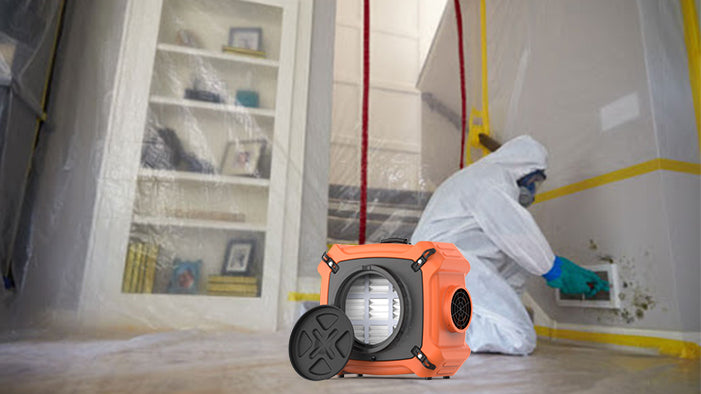
If localized moisture is found, affected areas may be isolated to prevent spore spread during drying.
High-Capacity Dehumidifiers
Commercial-grade units remove significantly more moisture than household models.
Air Movers and Blowers
Strategic airflow accelerates evaporation from wet materials.
Structural Drying
Moisture inside framing, drywall, and flooring must be reduced to safe levels before restoration.
HVAC Drain Cleaning
Ensuring condensate lines function properly prevents further moisture buildup.
Crawl Space Ventilation or Encapsulation
In moisture-prone areas of Merritt Island, proper vapor barriers and ventilation are critical.
Ongoing Monitoring
Moisture readings are tracked daily to confirm successful drying.
This methodical approach ensures moisture doesn’t linger unseen.
How to Prevent Moisture Problems After Future Storms
Living in Merritt Island means storms will happen again. Preparation makes a major difference.
Here are prevention strategies that work:
- Inspect roof and flashing annually
- Clean gutters and downspouts before hurricane season
- Ensure proper grading around the foundation
- Install or maintain crawl space vapor barriers
- Service AC drain lines regularly
- Use whole-home dehumidification systems
- Schedule post-storm inspections after significant rainfall
- Monitor indoor humidity with a digital hygrometer
Small preventive steps often stop large moisture issues from developing.
Why Local Florida Experience Matters
Dehumidification in Merritt Island is not the same as drying out a home in Arizona or Colorado.
Local professionals understand:
- The impact of salt air corrosion on building materials
- The behavior of high water tables
- Coastal wind-driven rain patterns
- The limitations of Florida AC systems
- Slab foundation moisture movement
- Attic ventilation challenges in humid climates
Experience with Cocoa, Palm Bay, Melbourne, and Merritt Island properties means faster diagnosis and more accurate solutions.
Homes near waterfront canals behave differently than inland properties. Older homes react differently than newer construction. Knowing these nuances prevents unnecessary demolition and ensures targeted drying.
A Calm, Practical Next Step
If your Merritt Island home feels damp, smells musty, or simply doesn’t feel the same after heavy rainstorms, it’s worth having the moisture levels checked.
Dehumidification challenges don’t always show dramatic warning signs. Sometimes it’s subtle — slightly warmer air, minor odor changes, a room that feels “off.”
Early evaluation prevents larger problems down the road.
Inspections and More FL works throughout Merritt Island, Cocoa, Melbourne, Palm Bay, and surrounding areas, helping homeowners understand moisture conditions clearly and calmly. The focus is always on accurate information, practical solutions, and long-term protection — not pressure.
Florida storms are part of life here. Lingering moisture doesn’t have to be.
