
Understanding Dehumidification Challenges in Sanford Behind Interior Walls
Sanford homeowners are no strangers to humidity. Between afternoon thunderstorms, high water tables, and months of thick Florida air, moisture becomes part of daily life. But when that moisture builds up behind interior walls, the problem shifts from uncomfortable to structural.
Behind drywall, moisture doesn’t dry quickly. It lingers. It spreads. And if dehumidification isn’t handled correctly, it creates long-term damage that most property owners never see coming.
In homes throughout Sanford and nearby areas, hidden wall moisture is one of the most overlooked issues we encounter. Let’s break down why it happens, what makes dehumidification behind walls so challenging, and how professionals handle it step by step.
What the Issue Really Is
Dehumidification sounds simple. Put a machine in the room, let it pull moisture from the air, and everything dries out.
That works for open spaces.
It does not work the same way behind interior walls.
When drywall traps moisture from roof leaks, plumbing issues, AC condensation, or storm intrusion, the wet materials sit inside a sealed cavity. Air circulation is minimal. Humidity remains high inside the wall even if the room feels dry.
This is where many Sanford property owners get misled. The surface looks fine. The paint looks intact. The room smells slightly musty but not alarming.
Meanwhile, moisture stays locked behind the wall.
Why This Happens So Often in Sanford
Sanford sits in a part of Florida where humidity rarely takes a break. Several local factors make behind-the-wall moisture especially common:
Persistent Humidity
Even when there’s no storm, outdoor humidity remains high most of the year. That means interior drying takes longer.
Heavy Rain & Storm Events
Quick, intense rainstorms can drive water into siding, window frames, and roof flashing. Even small leaks introduce moisture into wall cavities.
High Water Table
Ground moisture can rise through slab foundations or migrate upward through framing materials.
AC Condensation Problems
Improperly insulated ducts, clogged drain lines, or air handler leaks can introduce slow, steady moisture inside walls.
Older Construction
Many older Sanford homes lack modern vapor barriers or proper insulation sealing, allowing moisture to accumulate more easily.
When you combine all of this, dehumidification behind walls becomes less about drying air and more about managing hidden moisture sources.
Common Signs Property Owners Notice
Moisture behind walls rarely announces itself dramatically. Instead, it gives subtle signals:
- Musty or damp odor in certain rooms
- Paint bubbling or slight discoloration
- Warped baseboards
- Rooms that feel warmer or more humid than others
- Minor staining near ceiling lines or outlets
- Increased allergy-like indoor discomfort
In rental properties and multi-unit homes, tenants often report “a strange smell” long before visible damage appears.
By the time visible mold growth shows on drywall, moisture has likely been present for weeks or months.
Hidden or Overlooked Moisture Sources
Behind interior walls, moisture can hide in places homeowners never think to check.
Plumbing Lines
Small pinhole leaks inside walls can drip slowly for long periods.
Window and Door Flashing
Improper sealing allows storm water to seep inward.
Roof-to-Wall Transitions
Water intrusion from flashing failures often runs down inside walls before becoming visible.
HVAC Ductwork
Condensation on ducts inside wall cavities can create ongoing damp conditions.
Past Storm Damage
Even if a roof was repaired, residual moisture trapped inside framing may never have been fully dried.
Without proper inspection tools, these issues remain concealed.
Why DIY Dehumidification Usually Fails
Portable dehumidifiers from hardware stores are useful for surface humidity. But they rarely solve hidden wall moisture.
Here’s why:
- They dry exposed air, not sealed cavities
- Moisture inside insulation doesn’t evaporate easily
- No containment means spores can spread if mold is present
- The original moisture source often remains uncorrected
Surface dryness can create a false sense of security while interior materials stay damp.
That’s how problems return months later.
Professional Inspection & Detection Explained
When dehumidification is needed behind walls in Sanford homes, the first step isn’t equipment. It’s inspection.
Experienced professionals perform:
Visual Assessment
Looking for staining, swelling, or subtle structural shifts.
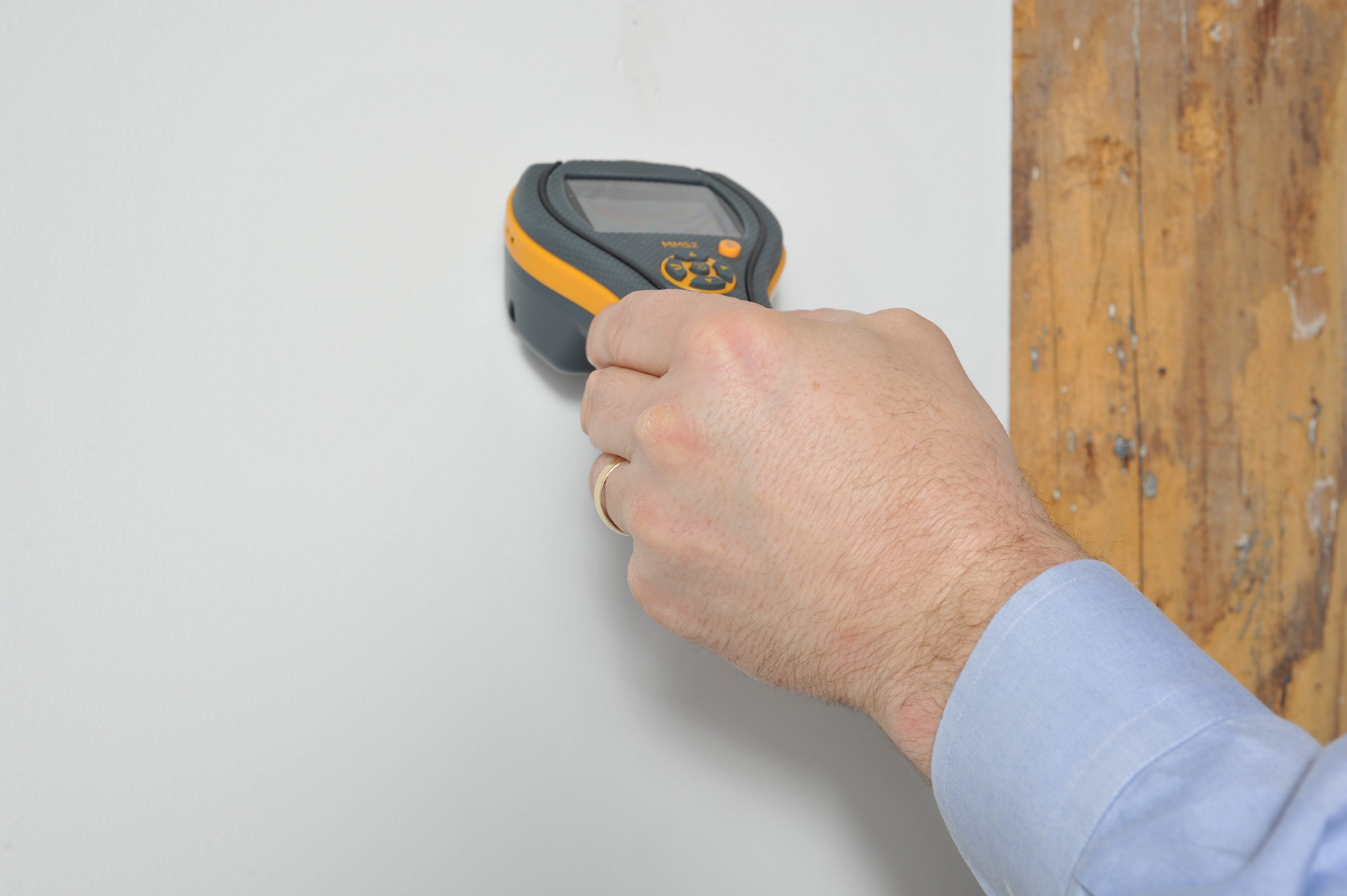
Moisture Meter Testing
Pin and non-invasive meters detect elevated moisture levels inside drywall and framing.
Thermal Imaging
Infrared cameras reveal temperature differences that indicate hidden damp areas.
Air Quality Evaluation
When necessary, air sampling helps determine whether mold spores are elevated.
This process identifies where moisture is concentrated and how extensive the issue is.
Without accurate detection, dehumidification becomes guesswork.
The Proper Dehumidification & Moisture Control Process
Behind-wall drying requires a structured, step-by-step approach.
1. Identify and Correct the Moisture Source
Roof leak, plumbing issue, AC problem—whatever introduced moisture must be corrected first.
2. Controlled Access
In some cases, small openings are created to allow airflow into the cavity. This prevents unnecessary wall removal while enabling targeted drying.
3. Containment (If Mold Is Present)
Plastic containment barriers prevent cross-contamination during drying and remediation.
4. Air Movement
Air movers direct airflow across affected areas to accelerate evaporation.
5. Commercial-Grade Dehumidification
Professional dehumidifiers extract large volumes of moisture from the air, reducing humidity levels throughout the space.
6. Monitoring
Moisture readings are taken daily to confirm that drying is progressing properly.
7. Mold Remediation (If Needed)
If mold has developed, safe removal procedures are implemented before final restoration.
8. Structural Dryout Completion
Drying continues until readings confirm materials have returned to acceptable moisture levels.
This systematic process prevents partial drying, which is one of the most common causes of recurring issues.
How to Prevent Behind-Wall Moisture in Sanford Homes
Prevention is always easier than remediation. Sanford homeowners can reduce risk with consistent moisture control strategies.
Maintain HVAC Systems
Ensure AC drain lines are clear and ducts are properly insulated.
Inspect After Heavy Storms
Even if there’s no visible damage, schedule evaluations after major rain events.
Improve Ventilation
Bathrooms, kitchens, and laundry areas should have functioning exhaust systems.
Monitor Indoor Humidity
Keep indoor humidity between 45–55% when possible.
Check Window Seals
Re-seal exterior gaps to prevent water intrusion.
Schedule Routine Property Evaluations
Especially in older Sanford homes or rental properties.
Small corrections early prevent larger structural repairs later.
Why Local Florida Experience Matters
Dehumidification in Arizona isn’t the same as dehumidification in Sanford.
Florida humidity behaves differently. Building materials respond differently. Moisture spreads differently in slab foundations versus elevated homes.
Professionals with experience in Sanford understand:
- How coastal air influences moisture retention
- How older Florida homes are constructed
- How storm-driven rain travels inside wall systems
- How high water tables affect interior moisture
This localized understanding allows for faster diagnosis and more effective drying strategies.
Companies like Inspections and More FL have worked in Sanford, Cocoa, Palm Bay, Melbourne, and Merritt Island long enough to recognize patterns that aren’t obvious to out-of-state contractors.
That local knowledge makes a measurable difference in long-term results.
A Calm Next Step for Property Owners
If you suspect moisture behind interior walls in your Sanford home, the goal isn’t panic.
It’s clarity.
Musty odors, uneven humidity, or unexplained wall discoloration are signals worth evaluating. Early inspection prevents deeper structural concerns and avoids unnecessary demolition.
Professional assessment helps determine:
- Whether moisture is present
- How extensive it is
- Whether dehumidification alone is sufficient
- Or if remediation is necessary
Behind-wall moisture doesn’t fix itself. But when addressed correctly, it can be resolved without major disruption.
In Florida’s climate, being proactive is always the smarter move.
Understanding how dehumidification works—and why it must be done properly—protects not just drywall, but the structural integrity of your Sanford property for years to come.
