
Understanding Moisture Detection Challenges in Cocoa in Rental Properties
Rental properties in Cocoa come with a unique set of moisture risks.
Between coastal humidity, frequent summer storms, and constant AC use, managing indoor moisture isn’t always straightforward. Add tenant turnover, delayed maintenance reporting, and varying HVAC settings, and small moisture problems can grow quietly before anyone notices.
Moisture detection in rental properties isn’t just about finding water.
It’s about identifying hidden conditions early enough to prevent structural damage, mold growth, and repeated repair costs.
In Cocoa’s coastal climate, that’s not always easy.
Why Cocoa Rental Properties Face Elevated Moisture Risk
Cocoa sits close to the coast, which means:
• High year-round humidity
• Salt-laden air exposure
• Heavy afternoon thunderstorms
• Hurricane-season rainfall
• Warm temperatures that slow evaporation
Even minor leaks behave differently in this environment.
Moisture lingers longer in wall cavities, slab foundations, and attic spaces. In rental homes and apartments, small maintenance issues may go unreported until visible damage appears.
By then, moisture has often spread.
The Challenge of Delayed Reporting
In rental properties, tenants may not immediately report:
• Musty odors
• Minor ceiling stains
• Slow plumbing drips
• AC condensation leaks
• Slight flooring warping
Sometimes symptoms are dismissed as “normal Florida humidity.”
Other times, tenants hesitate to call in small issues.
From a property management perspective, this delay complicates moisture detection.
By the time an inspection is scheduled, moisture may have moved beyond the original source.
Hidden Moisture Behind Walls
One of the most common challenges in Cocoa rental properties is moisture trapped inside wall cavities.
Common sources include:
• Wind-driven rain around windows
• Roof penetration leaks
• Plumbing inside shared walls
• AC condensate line backups
Drywall often appears intact even when insulation behind it is damp.
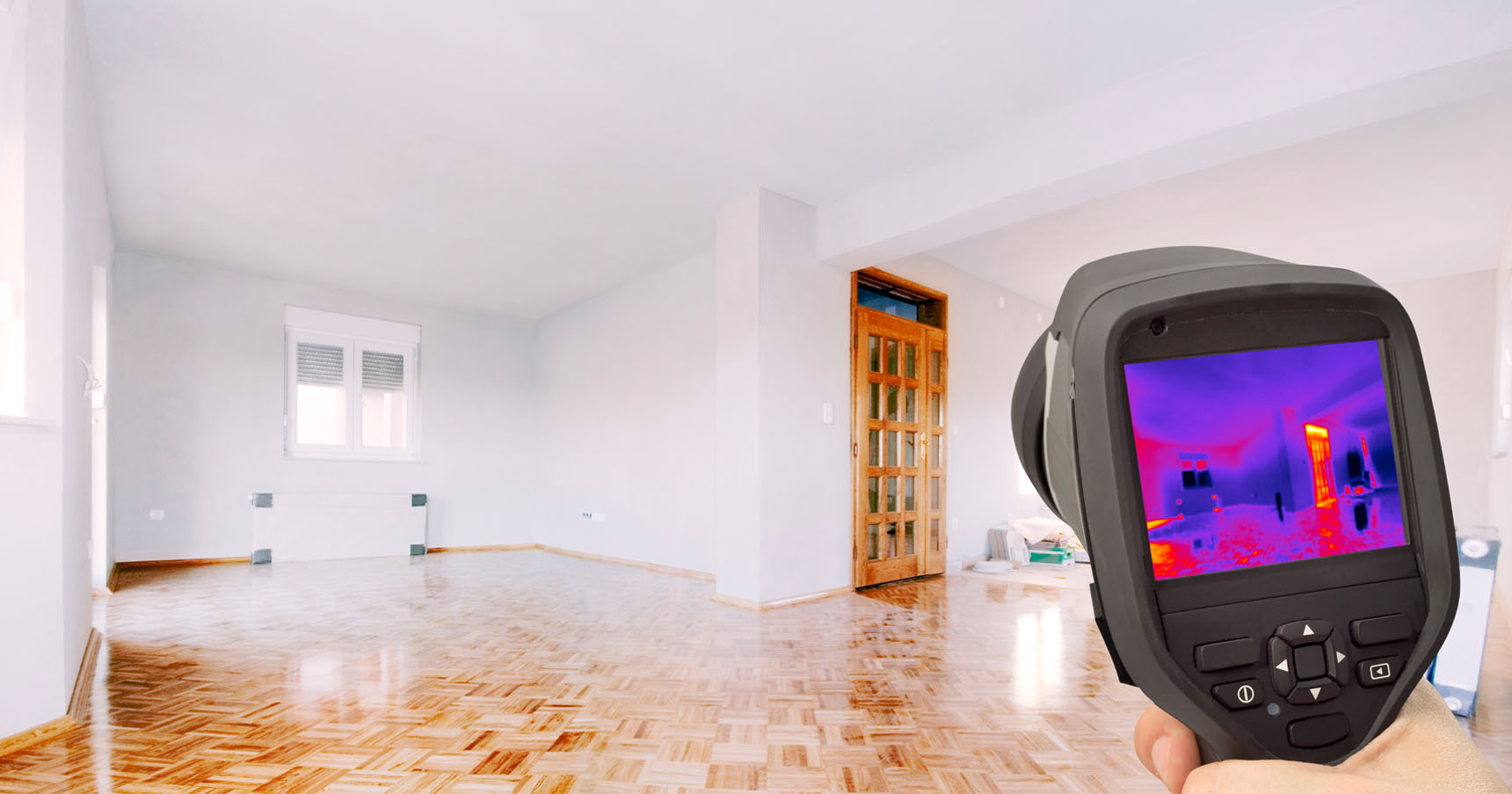
Thermal imaging may reveal temperature differences that suggest hidden moisture, but confirmation with moisture meters is necessary.
Because rental units often share walls, moisture may originate in one unit and appear in another.
Tracing the true source takes experience.
Slab Foundations and Flooring Complications
Many Cocoa rental homes and multi-unit properties are built on concrete slabs.
After heavy rain, groundwater pressure may push moisture vapor upward through concrete.
If vinyl plank or laminate flooring is installed without proper vapor control, moisture becomes trapped beneath it.
Tenants might notice:
• Slightly soft spots
• Musty smells
• Warped edges
Detecting slab moisture requires specialized meters and careful interpretation.
Surface dryness can be misleading.
HVAC-Related Moisture Issues
In Cocoa’s humid climate, HVAC systems run almost continuously.
Common rental property issues include:
• Clogged condensate lines
• Rusted drain pans
• Duct sweating in attic spaces
• Short cycling due to improper settings
Moisture detection must consider mechanical systems, not just visible water damage.
If indoor humidity remains elevated, framing and insulation absorb moisture over time.
Ignoring HVAC-related dampness often leads to recurring service calls.
Crawl Spaces and Elevated Units
Some Cocoa rental properties are elevated, especially closer to waterfront areas.
Crawl spaces in these homes face:
• Saturated soil after storms
• Elevated humidity
• Poor ventilation
• Damaged vapor barriers
Moisture from below rises into subfloors and living spaces.
Detecting crawl space moisture requires physical inspection — something often overlooked in rental maintenance routines.
Without checking beneath the home, the real source may be missed.
The Limits of Visual Inspection
One of the biggest challenges in rental properties is relying on what can be seen.
Moisture detection should include:
• Thermal imaging
• Pin and pinless moisture meter readings
• Hygrometer humidity measurements
• Attic and crawl space inspection
• Slab moisture evaluation
Surface appearance alone is unreliable.
Paint may hide damp drywall. Flooring may conceal saturated underlayment.
Comprehensive detection prevents incomplete repairs.
Companies like Inspections and More FL use moisture mapping techniques to determine the full scope before recommending remediation or drying.
Timing and Tenant Turnover
Vacant units create another challenge.
When properties sit empty:
• AC systems may be turned off
• Humidity rises
• Small leaks go unnoticed
• Odors develop
By the time a new tenant moves in, moisture problems may already be advanced.
Scheduling moisture inspections during tenant turnover helps prevent surprises.
Early evaluation reduces repair costs and tenant dissatisfaction.
Why Quick Detection Matters in Cocoa
Florida’s warm coastal air accelerates microbial growth.
If moisture remains untreated for more than 24 to 48 hours:
• Mold risk increases
• Insulation deteriorates
• Framing weakens
• Repair scope expands
Quick moisture detection limits contamination.
Waiting increases both cost and disruption.
In rental properties, that can mean extended vacancy.
Long-Term Strategies for Rental Property Owners
Cocoa property owners can reduce detection challenges by:
• Performing annual roof inspections
• Cleaning gutters regularly
• Servicing HVAC systems before summer
• Monitoring indoor humidity levels
• Inspecting crawl spaces after storms
• Evaluating slab moisture before flooring upgrades
• Conducting inspections during tenant turnover
Preventive oversight reduces emergency remediation.
Moisture control should be part of routine property management.
Why Local Experience Matters
Moisture behavior in Cocoa differs from inland Sanford or even nearby Melbourne.
Salt air exposure, coastal wind patterns, and groundwater fluctuations influence how water enters and spreads.
Professionals familiar with:
• Cocoa’s building styles
• Common slab construction methods
• Typical HVAC setups
• Local storm intensity
can identify likely moisture paths faster.
Localized expertise ensures accurate detection — not guesswork.
A Practical Next Step
If you manage rental properties in Cocoa and notice signs of dampness, musty odors, or recurring minor leaks, scheduling a comprehensive moisture evaluation is a proactive move.
Moisture detection protects structural components before visible damage appears.
In Florida’s coastal climate, small moisture problems rarely stay small.
Handled early, they remain manageable.
Ignored, they grow quietly behind walls and beneath floors — where repairs become far more extensive.
