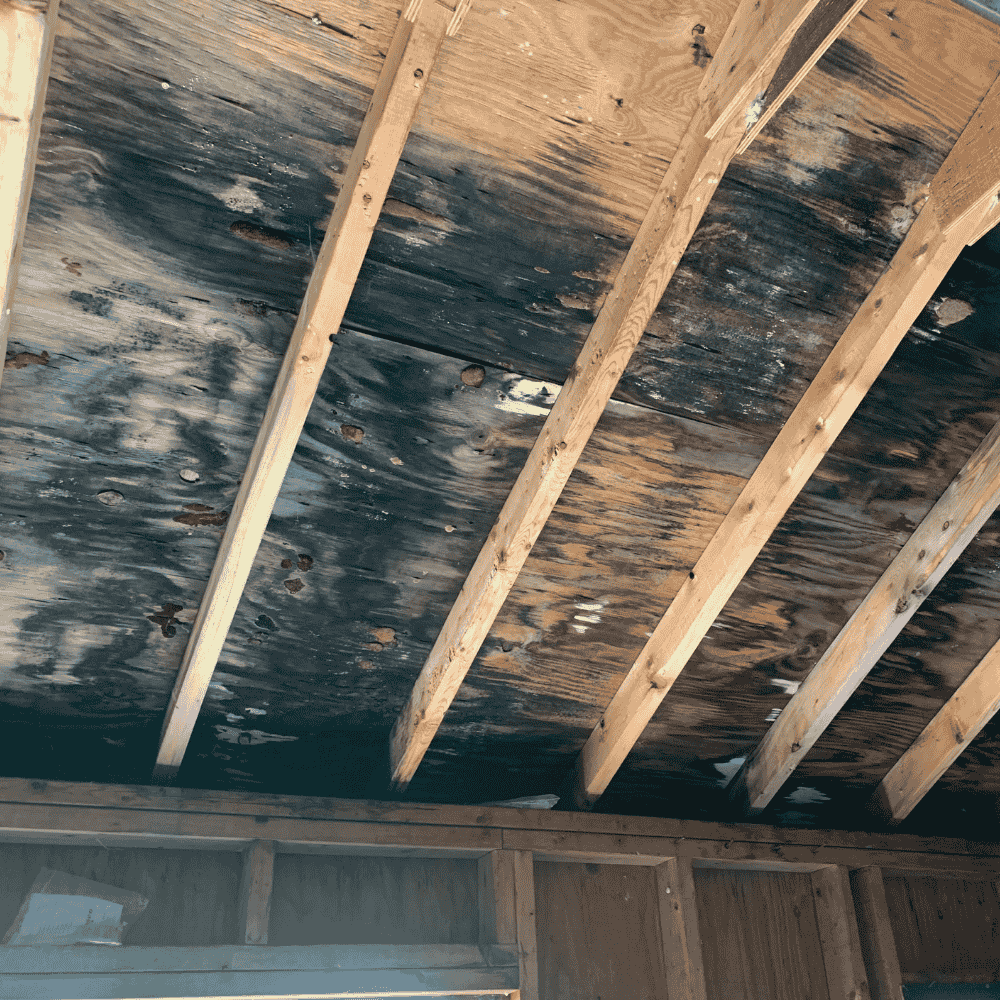
Understanding Mold Encapsulation Challenges in Sanford Inside Commercial Buildings
Sanford’s commercial buildings deal with a very different moisture reality than many property owners expect. Between Central Florida’s persistent humidity, heavy seasonal rain, and years of accumulated wear in older structures, moisture rarely stays on the surface. When mold develops inside a commercial property, addressing it correctly becomes critical—not only for structural protection but also for business continuity.
Mold encapsulation is often part of the remediation strategy. However, inside Sanford commercial buildings, encapsulation comes with specific challenges that require careful planning, inspection, and moisture control. Property managers, facility supervisors, and business owners need to understand where encapsulation fits—and where it can go wrong if moisture issues aren’t fully addressed.
What Mold Encapsulation Actually Is
Mold encapsulation is the process of sealing affected structural materials with a specialized coating after proper remediation. The goal is to lock down residual staining or microscopic mold roots that remain embedded in porous materials such as wood framing, concrete block, or subflooring.
Encapsulation is not a shortcut. It is not painting over mold. It is used after:
- Containment is established
- Affected materials are properly cleaned
- Active mold growth is removed
- Moisture sources are corrected
In Sanford commercial environments—especially warehouses, office buildings, retail spaces, and medical facilities—encapsulation can help protect structural components that don’t need full removal but require added defense.
Why Mold Issues Are So Common in Sanford Commercial Buildings
Sanford’s environment creates persistent moisture pressure on commercial structures.
Year-Round Humidity
Even outside hurricane season, humidity levels remain elevated across Seminole County. Commercial HVAC systems work constantly, and if not balanced correctly, condensation forms within ducts and ceiling cavities.
Storm Events and Heavy Rain
Sudden downpours and tropical systems saturate soil and building exteriors. Flat commercial roofs, common in Sanford, are particularly vulnerable to minor ponding and slow leaks.
Large Interior Spaces
Warehouses and office complexes often contain expansive ceiling voids and wall cavities. Air circulation may be uneven, allowing moisture pockets to develop.
Slab Foundations
Many commercial buildings in Sanford sit on concrete slabs. Like residential slabs, they allow vapor transmission upward during periods of high groundwater saturation.
Aging Structures
Older commercial buildings may have outdated insulation, deteriorating seals, or poorly maintained roof systems, all contributing to hidden moisture.
Encapsulation challenges often begin because moisture conditions were present long before visible mold appeared.
Common Signs Property Managers Notice
In commercial settings, mold symptoms may not be obvious at first.
Facility managers in Sanford often report:
- Musty odors in specific sections of the building
- Discoloration on ceiling tiles
- Peeling paint near exterior walls
- Persistent humidity despite HVAC operation
- Employee complaints about air quality
- Warped baseboards or trim
By the time these signs are visible, moisture has usually been present within structural materials for some time.
Hidden or Overlooked Sources in Commercial Structures
Encapsulation becomes complicated when moisture sources remain hidden.
Above Drop Ceilings
Roof leaks may travel across insulation before appearing in a different location.
Inside Wall Cavities
Commercial buildings often use metal framing with drywall, which can trap moisture internally.
Behind Commercial Equipment
Breakrooms, mechanical rooms, and restroom plumbing lines may contribute unnoticed humidity.
HVAC Systems
Improperly insulated ducts or clogged condensate lines introduce moisture into ceiling cavities.
Previous Water Intrusion Events
Older flood events or roof failures may leave residual dampness that was never fully dried.
If these sources are not corrected, encapsulation coatings can fail over time.
Why DIY or Surface-Level Solutions Fail in Commercial Settings
Some building operators attempt quick cosmetic fixes.
They may repaint stained walls or replace ceiling tiles without investigating moisture origins. In other cases, janitorial cleaning products are used on visible growth.
These steps do not address:
- Underlying humidity imbalance
- Structural saturation
- Hidden mold roots
- Vapor intrusion
Encapsulation without remediation is ineffective. Coating over active growth traps moisture behind surfaces, allowing mold to continue spreading beneath sealed layers.
Commercial buildings in Sanford require a system-wide evaluation before encapsulation is considered.
Professional Inspection & Detection in Commercial Properties
Commercial mold evaluation involves more than visual review.
A structured assessment typically includes:
Visual and Structural Inspection
Identifying water intrusion pathways and material deterioration.
Thermal Imaging
Locating hidden moisture in walls, ceilings, and slab edges.
Moisture Mapping
Using calibrated meters to track moisture distribution across large surface areas.
HVAC Evaluation
Assessing ductwork insulation, airflow, and condensate drainage.
Indoor Air Quality Testing
Determining airborne spore concentrations and identifying affected zones.
Companies such as Inspections and More FL approach commercial mold cases in Sanford with layered diagnostics, ensuring encapsulation is used only when appropriate and after moisture is stabilized.
Mold Encapsulation Challenges Unique to Sanford Commercial Buildings
Encapsulation itself presents technical considerations.
Large Surface Areas
Commercial structures often require sealing of expansive framing sections. Uneven application can reduce effectiveness.
Ongoing Humidity
If indoor humidity remains above recommended levels, coatings may deteriorate prematurely.
Inaccessible Structural Components
High ceilings and concealed framing require careful planning for safe and complete application.
Building Occupancy
Encapsulation must often occur while portions of the building remain operational. Containment and air filtration become essential.
Vapor Pressure from Slabs
If moisture continues migrating upward through slab foundations, encapsulated framing near floor level may be exposed to persistent humidity.
These challenges make moisture control just as important as the encapsulation material itself.
Proper Remediation & Encapsulation Process
A correct process inside Sanford commercial buildings generally includes:
Containment
Isolating affected zones to prevent spore migration.
Safe Mold Removal
Cleaning structural surfaces using approved remediation techniques.
Air Scrubbing
Using high-efficiency filtration to clean airborne contaminants.
Moisture Correction
Addressing roof leaks, drainage issues, plumbing failures, or HVAC condensation.
Structural Dryouts
Deploying dehumidification and air movers where necessary.
Mold Encapsulation
Applying specialized sealant coatings to cleaned and dried structural materials.
Post-Application Verification
Ensuring humidity levels remain stable and coatings adhere correctly.
Encapsulation is effective when used as a reinforcement step—not as a primary solution.
Preventing Recurring Mold in Sanford Commercial Buildings
Long-term prevention focuses on moisture control.
Commercial property managers should:
- Maintain roof drainage systems regularly
- Inspect after heavy rain or storms
- Monitor indoor humidity levels
- Service HVAC systems routinely
- Address minor leaks immediately
- Conduct periodic moisture inspections
Whole-building dehumidification systems may be necessary in large facilities where internal humidity fluctuates.
Consistency is key. Mold in commercial settings often results from gradual moisture buildup rather than a single dramatic event.
Why Local Florida Experience Matters
Sanford commercial buildings experience moisture patterns different from other regions. Central Florida humidity cycles, storm frequency, and slab construction influence how mold develops.
Professionals familiar with Sanford, along with nearby areas like Melbourne and Palm Bay, understand:
- How regional humidity affects commercial interiors
- Common roof and drainage weaknesses in local structures
- How slab vapor transmission impacts lower framing
- Seasonal changes that influence condensation
Local expertise allows more accurate diagnosis and prevents unnecessary material removal or ineffective encapsulation.
Inspections and More FL works within these Florida conditions, focusing on moisture stabilization first, then structural protection.
A Practical Next Step for Commercial Property Owners
Mold encapsulation can protect structural materials inside Sanford commercial buildings—but only when used correctly.
If musty odors persist, ceiling staining appears, or humidity remains elevated despite HVAC operation, a professional moisture assessment can clarify whether encapsulation is appropriate or if deeper drying and correction are needed first.
Commercial buildings depend on stable indoor environments. Addressing mold methodically—rather than cosmetically—protects infrastructure, business operations, and long-term property value.
Moisture doesn’t resolve itself in Florida’s climate. With proper inspection, remediation, and encapsulation planning, Sanford commercial buildings can remain dry, stable, and operational.