
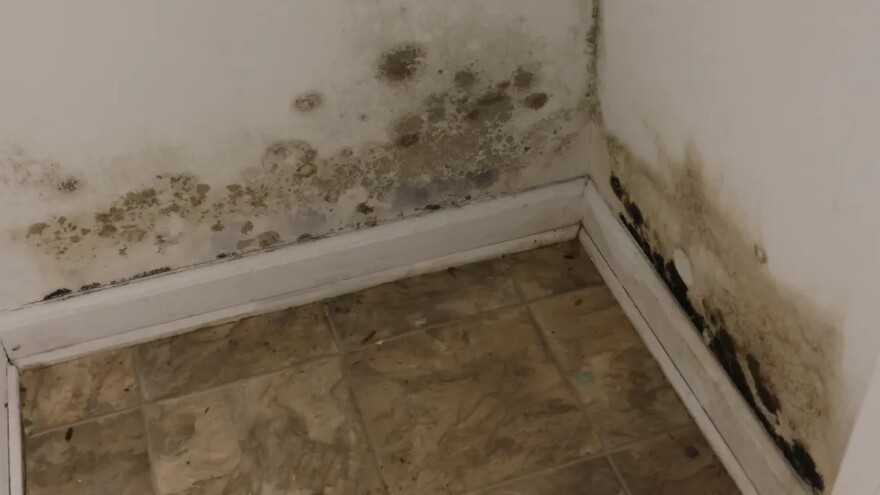
Understanding Mold Encapsulation Challenges in Sanford When Indoor Air Feels Damp
If your home in Sanford feels damp even when the air conditioning is running, that feeling should not be ignored. In Central Florida, persistent indoor humidity is one of the biggest contributors to mold problems — especially in older homes, slab foundations, and properties that have experienced past leaks.
When visible mold appears or contamination is discovered inside walls or attic spaces, mold encapsulation is sometimes recommended as part of the remediation process. But encapsulation in a damp indoor environment comes with challenges. If humidity is not fully controlled, encapsulation alone will not solve the problem.
Here’s what homeowners in Sanford need to understand.
Why Indoor Air Feels Damp in Sanford
Sanford’s climate combines high humidity, heavy rain, warm temperatures, and seasonal storm activity. Even when there are no obvious leaks, moisture can build up inside homes.
Common causes include:
- High outdoor humidity infiltrating the home
- AC systems that are not removing moisture effectively
- Poor attic ventilation
- Crawl space humidity
- Slab foundations retaining ground moisture
- Insufficient bathroom or kitchen exhaust
When indoor relative humidity remains elevated, building materials begin absorbing moisture from the air. Over time, this creates ideal conditions for mold growth.
The damp feeling many homeowners describe is often the first warning sign.
What Mold Encapsulation Is — and When It’s Used
Mold encapsulation involves applying a specialized coating over cleaned structural surfaces. It is typically used when:
- Mold has affected framing or sheathing
- Complete material removal is unnecessary
- Structural components can be salvaged
- Surfaces have been properly cleaned and dried
Encapsulation seals the surface and helps prevent future microbial growth on treated materials.
However, encapsulation only works if moisture levels are controlled first.
The Biggest Challenge: Ongoing Humidity
One of the most common issues in Sanford homes is attempting encapsulation while humidity remains elevated.
If indoor air still feels damp, that usually means:
- Relative humidity is too high
- Moisture sources have not been corrected
- Ventilation is insufficient
- Dehumidification is inadequate
Encapsulation over damp materials traps moisture underneath the coating. This can lead to:
- Recurring mold growth
- Coating failure
- Hidden deterioration
- Persistent musty odors
In Florida’s climate, drying must come before sealing.
Where Dampness Usually Hides
In Sanford homes, especially older properties, moisture often accumulates in overlooked areas.
Attics
Heat and humidity combine in poorly ventilated attic spaces. Duct sweating and roof leaks increase risk.
Crawl Spaces
Ground moisture and high water tables contribute to elevated humidity beneath homes.
Behind Walls
Plumbing lines, exterior walls, and AC systems may introduce moisture into wall cavities.
Slab Foundations
Moisture can migrate upward through concrete slabs, especially in humid conditions.
Before encapsulation is considered, these areas must be inspected carefully.
Why Surface Cleaning Isn’t Enough
Some homeowners attempt to clean visible mold and apply paint or sealant themselves.
This approach often fails because:
- Moisture levels are not measured
- Framing behind drywall remains damp
- HVAC systems continue producing excess humidity
- The root cause remains unresolved
Encapsulation without moisture control does not eliminate the environmental conditions that allowed mold to develop.
Sanford’s humidity requires a comprehensive strategy.
The Proper Process Before Encapsulation
For mold encapsulation to be successful, several steps must occur first.
1. Moisture Detection
Professionals evaluate:
- Relative indoor humidity
- Attic moisture levels
- Crawl space conditions
- Wall cavity dampness
- HVAC performance
Thermal imaging and moisture meters identify hidden moisture pockets.
2. Source Correction
Roof repairs, plumbing fixes, AC servicing, or drainage improvements must be completed before further steps.
3. Removal of Contaminated Materials
Heavily damaged drywall or insulation may need removal.
4. Structural Drying
Dehumidifiers and air movers reduce moisture in framing and structural components.
Only after moisture levels stabilize does encapsulation become appropriate.
Challenges Unique to Sanford Homes
Sanford’s inland location still experiences significant humidity, especially during summer and hurricane season.
Older homes in the area often feature:
- Limited attic ventilation
- Aging ductwork
- Slab foundations without vapor barriers
- Crawl spaces lacking proper moisture control
These characteristics increase the likelihood that indoor air will feel damp, even without visible water intrusion.
Encapsulation must account for these structural realities.
The Role of HVAC in Damp Indoor Air
Air conditioning systems play a major role in moisture management.
When indoor air feels damp, possible HVAC issues include:
- Oversized systems that short cycle
- Dirty evaporator coils
- Blocked condensate lines
- Leaking ducts in attic spaces
- Poor insulation around air handlers
If the AC system does not properly dehumidify, encapsulation efforts may fail due to recurring high humidity.
Addressing HVAC performance is often part of the solution.
Long-Term Humidity Control
Encapsulation should be paired with long-term moisture management strategies.
Sanford homeowners can reduce risk by:
- Keeping indoor humidity below 60%
- Servicing HVAC systems regularly
- Installing dehumidifiers when necessary
- Improving attic ventilation
- Adding vapor barriers in crawl spaces
- Sealing ductwork
- Inspecting roofs after storms
Humidity control is ongoing in Florida — not seasonal.
Why Local Experience Matters
Understanding how moisture behaves in Sanford is different from working in dry climates.
Humidity patterns, rainfall intensity, soil conditions, and building styles all influence mold development.
Inspections and More FL works across Sanford, Cocoa, Palm Bay, Melbourne, and Merritt Island, where damp indoor air is a frequent complaint. Local experience helps determine when encapsulation is appropriate and when additional drying or moisture correction is required first.
This prevents repeat problems and unnecessary treatments.
A Practical Final Perspective
When indoor air feels damp in your Sanford home, that sensation is a warning sign — not just discomfort.
Mold encapsulation can be an effective step when:
- Moisture sources are corrected
- Structural materials are dry
- Contamination has been properly cleaned
- Humidity levels are controlled
But encapsulation alone does not solve humidity problems.
The practical approach is structured:
- Identify moisture sources
- Correct environmental conditions
- Remove contaminated materials
- Dry thoroughly
- Apply encapsulation appropriately
- Maintain long-term humidity control
Florida’s climate requires patience and precision. When handled properly, mold encapsulation becomes part of a durable solution — not a temporary fix — helping Sanford homeowners maintain a stable, dry indoor environment even when outdoor humidity remains high.
