
Understanding Mold Remediation Challenges in Palm Bay When AC Condensation Becomes a Problem
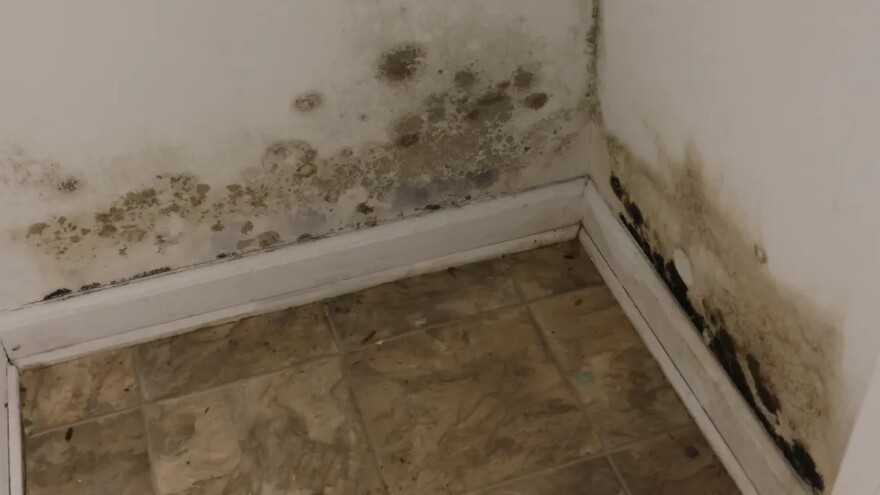
In Palm Bay, air conditioning systems work almost nonstop for much of the year. With high humidity, long summers, and warm coastal air, your AC does more than cool — it constantly removes moisture from indoor air.
But when AC condensation becomes a problem, the very system designed to manage humidity can quietly introduce water into your home.
Clogged condensate lines, cracked drain pans, disconnected drain tubing, or improper installation can allow water to spread into HVAC closets, wall cavities, ceilings, and flooring. Because this type of leak is often slow and localized, it may go unnoticed until mold remediation becomes necessary.
Let’s take a closer look at why AC condensation creates unique mold challenges in Palm Bay homes — and why remediation requires more than simple surface cleaning.
Why AC Condensation Issues Are So Common in Palm Bay
Palm Bay’s environment increases the likelihood of condensation-related moisture problems.
Several factors contribute:
Persistent Humidity
Outdoor humidity stays elevated most of the year. The AC must work harder to remove moisture, producing more condensate.
Heavy AC Usage
Units run for extended periods, increasing wear on drain components.
Slab Construction
Many Palm Bay homes are built on slabs, allowing moisture to migrate along floor edges if condensate overflows.
Warm Attics
In homes with attic-mounted air handlers, condensation leaks can affect ceiling cavities before being noticed.
Because condensation is expected during normal AC operation, small problems are often overlooked.
How Condensation Leads to Mold Growth
Condensation problems rarely cause dramatic flooding. Instead, they create steady, slow moisture exposure.
Water may:
- Pool in HVAC closets
- Soak into adjacent drywall
- Travel along baseboards
- Saturate insulation
- Spread along slab edges
In Palm Bay’s warm climate, moisture trapped inside wall cavities or under flooring dries slowly.
Mold can begin developing on:
- Drywall backing
- Wood framing
- Insulation
- Subflooring
The growth often begins out of sight, making detection difficult.
Why Mold Remediation Is More Complicated With Condensation
Condensation leaks are often hidden.
Unlike roof failures or burst pipes, they may:
- Go undetected for weeks
- Remain localized but deep
- Affect multiple material layers
By the time musty odors or staining appear, moisture may already be embedded in structural components.
Remediation must address:
- The contamination
- The hidden moisture
- The HVAC source
Ignoring any one of these leads to recurrence.
Common Signs of Condensation-Related Mold
Palm Bay homeowners may notice:
- Musty odors near HVAC areas
- Peeling paint around AC closets
- Warped baseboards
- Soft drywall
- Elevated indoor humidity
- Ceiling stains below attic units
Sometimes, the only sign is that certain areas feel damp even when the AC is running normally.
Professional moisture detection is often needed to confirm hidden spread.
Challenges Unique to Palm Bay Homes
Slab Moisture Interaction
If condensation spreads onto slab edges, vapor transmission can compound the issue.
High Ambient Humidity
Even after fixing the AC drain line, Florida humidity slows drying.
Tight Mechanical Closets
Limited airflow traps moisture in enclosed spaces.
Repeated Minor Leaks
Small, recurring clogs create cumulative damage.
These conditions require a structured remediation approach.
Why DIY Cleaning Doesn’t Work
Homeowners sometimes attempt to:
- Spray bleach on visible spots
- Paint over stained drywall
- Replace baseboards only
- Run household fans
However:
- Bleach does not penetrate porous drywall
- Paint traps moisture inside walls
- Fans do not dry wall cavities
- Hidden insulation remains wet
Without proper containment and drying, mold often returns.
Professional remediation ensures both contamination and moisture are addressed.
What Proper Mold Remediation Involves
In Palm Bay homes dealing with AC condensation issues, remediation typically includes:
1. Moisture Mapping
Use moisture meters and thermal imaging to identify affected areas.
2. Source Correction
Repair condensate lines, drain pans, or installation issues.
3. Containment
Isolate affected areas to prevent cross-contamination.
4. Removal of Contaminated Materials
Remove saturated drywall or insulation if necessary.
5. Structural Drying
Use air movers and commercial dehumidifiers to reduce embedded moisture.
6. Air Scrubbing
HEPA filtration improves indoor air quality during the process.
7. Verification
Confirm moisture levels have returned to acceptable ranges.
At Inspections and More FL, remediation in Palm Bay homes always prioritizes moisture correction before cosmetic repair.
The Importance of Structural Drying
One of the biggest challenges with condensation-related mold is incomplete drying.
Even after visible water is gone, moisture may remain in:
- Stud cavities
- Bottom wall plates
- Subfloor materials
- Adjacent rooms
Structural drying ensures that these hidden areas are stabilized before rebuilding.
Without it, recurring issues are likely.
Preventing Future Condensation-Related Mold
Palm Bay homeowners can reduce risk by:
Clearing Condensate Lines Regularly
Routine flushing prevents clogs.
Inspecting Drain Pans Annually
Rust and cracks are common in older units.
Monitoring Indoor Humidity
Maintain levels between 45–55%.
Scheduling Post-Leak Evaluations
Even minor overflows deserve inspection.
Maintaining HVAC Systems
Annual servicing reduces system strain.
Routine oversight is especially important in Florida’s climate.
Why Local Experience in Palm Bay Matters
Condensation-related mold behaves differently in humid coastal climates.
Palm Bay homes face:
- Year-round humidity
- Heavy AC usage
- Slab construction
- Storm-driven moisture exposure
Interpreting moisture readings accurately requires understanding how Florida materials respond to these conditions.
Local experience ensures remediation is thorough and appropriately scaled.
A Calm, Practical Next Step
If your Palm Bay home has experienced AC condensation overflow or persistent humidity near mechanical areas, scheduling a professional evaluation is a proactive step.
An assessment can determine:
- Whether hidden moisture remains
- If mold remediation is necessary
- Whether structural drying is required
- How to prevent recurrence
Inspections and More FL works with homeowners throughout Palm Bay, Cocoa, Melbourne, Merritt Island, and Sanford to evaluate condensation-related moisture and apply structured remediation strategies suited to Florida’s climate.
AC systems are designed to manage humidity. When condensation escapes that system, addressing both moisture and contamination ensures your home remains stable and protected long term.
