
Understanding Mold Remediation Challenges in Sanford After Heavy Rainstorms
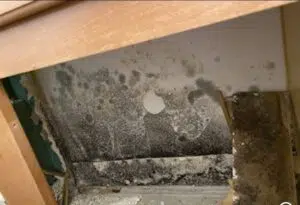
Sanford homeowners know that heavy rainstorms can create serious problems beyond flooded yards or wet driveways. Excess water intrusion often leads to hidden mold growth, which can compromise indoor air quality, damage structural components, and create long-term repair issues. Understanding the challenges of mold remediation after significant rainfall is essential for protecting your property, health, and investment.
Florida’s unique climate—high humidity, frequent thunderstorms, and proximity to water bodies—makes mold a common problem after storms. In Sanford, moisture often infiltrates attics, crawl spaces, wall cavities, and subflooring, creating conditions where mold thrives. This article explores why remediation is so challenging, common problem areas, and practical strategies for homeowners to manage and prevent mold after heavy rains.
What the Issue Is
Mold grows when moisture is present for prolonged periods. After heavy rainstorms, water can seep into areas homeowners rarely check:
- Crawl spaces beneath slab foundations
- Attic insulation and roof framing
- Wall cavities behind drywall
- Subflooring under hardwood, tile, or laminate flooring
- HVAC systems and ductwork
Even small leaks can lead to mold colonies that spread quickly, especially in warm, humid conditions. Mold not only damages structural materials but can also affect indoor air quality, creating musty odors and exacerbating allergy symptoms.
Why This Happens So Often in Sanford
Sanford’s environment and local home construction practices contribute to mold problems after heavy rains:
- High humidity – Florida’s average humidity is often above 70%, allowing moisture to linger for days.
- Heavy rainstorms – Thunderstorms and tropical systems bring large volumes of water in short periods, overwhelming roofs and drainage systems.
- Older homes and construction – Many Sanford homes have slab foundations, older roofing materials, or minimal attic ventilation, increasing moisture retention.
- Poor ventilation – Crawl spaces, attics, and bathrooms without adequate airflow trap water and create ideal mold conditions.
- Storm-driven leaks – Flash floods, ponding water, or roof failures can infiltrate walls and flooring.
- AC condensation – Air conditioning units contribute additional moisture if drain lines or drip pans are blocked.
Combined, these factors make mold growth nearly inevitable after significant rainfall if moisture is not managed promptly.
Common Signs Property Owners Notice
Recognizing early signs of mold is critical for timely remediation. Homeowners should look for:
- Musty odors – Often the first sign of hidden mold in walls, attics, or crawl spaces.
- Visible mold growth – Black, green, or white patches on walls, ceilings, or flooring.
- Warped or buckled flooring – Indicates moisture has infiltrated subflooring.
- Discolored walls or ceilings – Staining from water intrusion.
- Increased allergy symptoms – Sneezing, watery eyes, or respiratory irritation in damp areas.
Even subtle signs should not be ignored, as mold spreads quickly in the humid Florida environment.
Hidden or Overlooked Sources
Mold often grows in areas homeowners don’t routinely check:
- Behind walls – Water traveling along framing can saturate drywall and remain hidden for weeks.
- Under flooring – Hardwood, laminate, or tile can conceal mold colonies on subflooring.
- Attics and crawl spaces – Roof leaks, condensation, and poor ventilation create prime conditions for mold.
- HVAC systems – Mold can grow in ducts or on wet insulation, spreading spores throughout the home.
- Old water damage – Past leaks or flooding may leave residual moisture that encourages regrowth.
Identifying these hidden sources is critical. Surface cleaning alone rarely addresses the root cause.
Why DIY Attempts Usually Fail
Many homeowners attempt to remove mold themselves, but DIY efforts are often ineffective for several reasons:
- Surface cleaning only – Bleach or household cleaners cannot remove mold growing within walls, subfloors, or insulation.
- Incomplete moisture control – Without drying and dehumidification, mold regrows quickly.
- Spore spread – Scrubbing mold without containment spreads spores to other areas.
- Structural damage overlooked – Mold remediation often requires addressing underlying wood rot or insulation damage.
DIY solutions can appear successful temporarily but rarely eliminate the problem, making professional intervention essential.
Professional Inspection & Detection Explained
Proper mold remediation begins with a professional inspection and moisture detection:
- Visual inspection – Identifies visible mold, water stains, and structural damage.
- Moisture meters – Measure water content in wood, drywall, and subfloors.
- Thermal imaging – Detects hidden moisture behind walls or ceilings without demolition.
- Air quality evaluation – Tests for mold spores and airborne contaminants.
- Targeted sampling – Confirms mold type and extent, guiding remediation strategy.
- Crawl space and attic assessment – Focused evaluation in areas prone to hidden water intrusion.
This thorough approach ensures that all affected areas are identified and addressed before remediation begins.
Proper Remediation & Moisture Control Process
After detection, a structured remediation plan is implemented:
- Containment – Isolates affected areas to prevent spore spread.
- Safe mold removal – Includes removal of affected drywall, insulation, or flooring.
- Mold remediation and encapsulation – Treats surfaces to prevent regrowth.
- Air scrubbing – Cleans airborne spores during remediation.
- Dehumidification – High-capacity equipment lowers humidity in crawl spaces, attics, and rooms.
- Structural dryouts – Ensures framing and subfloors are thoroughly dried.
- Moisture source correction – Roof, plumbing, or HVAC repairs to prevent recurrence.
- Prevention education – Guides homeowners on humidity control and routine inspections.
This process not only removes mold but also addresses the underlying moisture, reducing the risk of future growth.
How to Prevent Mold After Heavy Rainstorms
Sanford homeowners can take proactive steps to minimize mold risk:
- Post-storm inspections – Check attics, crawl spaces, and basements for water intrusion.
- Maintain roofing and gutters – Ensure water drains away from the home.
- Install moisture sensors – Early alerts for leaks or high humidity.
- Improve ventilation – Attics, bathrooms, and crawl spaces benefit from proper airflow.
- Control indoor humidity – Use dehumidifiers during peak summer months.
- Promptly repair leaks – Address plumbing, roof, or HVAC leaks immediately.
Routine monitoring and preventive care are essential in Florida’s humid, storm-prone environment.
Why Local Florida Experience Matters
Sanford homeowners benefit when mold remediation specialists understand local conditions:
- Humidity and storm patterns – Experts know how seasonal variations affect mold growth.
- Knowledge of local construction – From slab foundations to older homes, specialists recognize common moisture problem areas.
- Experience with coastal and inland flooding – Helps identify hidden moisture pathways.
- Faster, accurate remediation – Local experience ensures targeted, effective solutions.
A company like Inspections and More FL provides the expertise needed to handle Sanford’s unique mold challenges safely and efficiently.
