
Understanding Mold Removal Challenges in Cocoa After Heavy Rainstorms
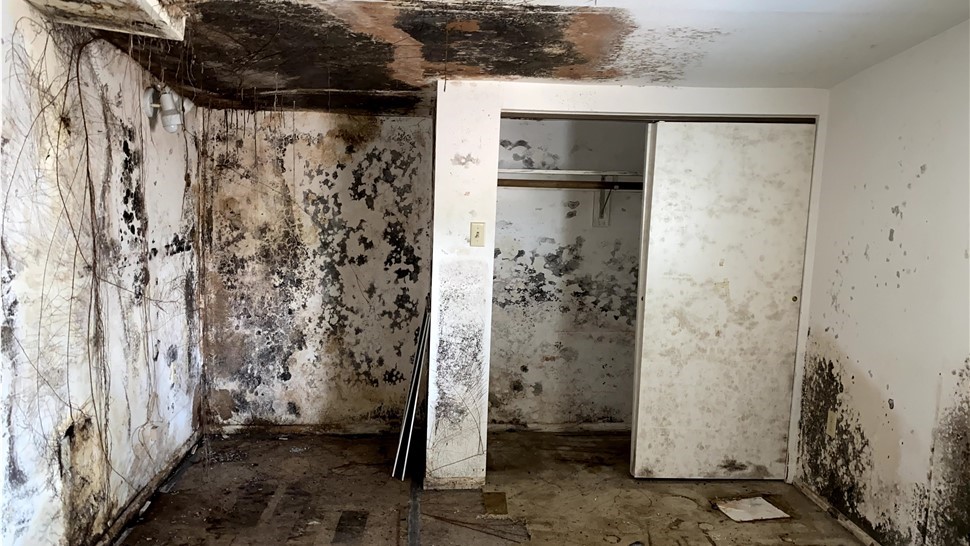
Heavy rainstorms are part of life in Cocoa. Whether it’s a summer thunderstorm that stalls over Brevard County or a tropical system pushing inland from the Atlantic, homes here regularly face intense rainfall in short periods of time.
When rain hits hard and fast, water doesn’t always stay outside. It can find small vulnerabilities — a loose shingle, a deteriorated window seal, clogged gutters, or minor flashing gaps. And while the visible signs may seem small at first, the hidden moisture left behind often creates the biggest challenge.
Mold removal in Cocoa after heavy rainstorms isn’t always straightforward. The difficulty lies in how moisture behaves in Florida’s humid, coastal climate.
Let’s break down why these situations become complicated — and what makes proper mold removal so important.
Why Heavy Rainstorms Create Long-Term Moisture Problems
When water enters a home during a storm, it spreads through multiple pathways:
- Through roof decking into attic insulation
- Behind exterior walls via wind-driven rain
- Along slab edges from saturated soil
- Around sliding glass doors and window frames
- Into wall cavities through small penetrations
In Cocoa, where humidity remains high even after storms pass, evaporation is slow. That trapped moisture doesn’t simply disappear.
Instead, it lingers inside drywall, wood framing, insulation, and flooring — creating conditions that support mold growth.
The Unique Moisture Challenges in Cocoa
Cocoa homes face environmental factors that complicate post-storm mold removal:
Coastal Humidity
Moist air from the nearby Atlantic and Indian River Lagoon keeps indoor humidity elevated, even with AC running.
High Water Tables
Soil saturation increases moisture pressure around slab foundations.
Slab Construction
Many Cocoa homes are built on slabs, allowing moisture to migrate upward into lower wall sections.
Warm Temperatures
Heat accelerates moisture movement inside materials.
Together, these factors make drying slower and more complex.
Why Mold Often Appears Days or Weeks Later
After a heavy rainstorm, homeowners may notice:
- Minor ceiling staining
- A faint musty smell
- Slight paint bubbling
- Baseboards pulling away
Because moisture spreads gradually, mold may not appear immediately. Instead, it develops inside wall cavities or behind insulation before becoming visible.
By the time discoloration appears, moisture may have extended beyond the original leak point.
This delayed development is one of the biggest challenges in mold removal after storms.
Common Areas Affected After Heavy Rain
In Cocoa homes, inspections often uncover mold growth in:
- Attic roof decking
- Upper wall cavities
- Behind baseboards
- Around window frames
- Beneath laminate flooring
- In insulation near exterior walls
Wind-driven rain can push water into areas that seem protected.
Without moisture detection tools, these hidden zones may go unnoticed.
Why Surface Cleaning Doesn’t Solve the Problem
Homeowners sometimes attempt to:
- Wipe visible spots with household cleaners
- Repaint stained ceilings
- Replace small drywall sections
- Run box fans to dry rooms
However:
- Mold penetrates porous materials
- Moisture often remains behind walls
- Insulation may still be saturated
- Humidity may stay elevated
Cleaning surfaces without correcting moisture simply delays recurrence.
True mold removal requires addressing both contamination and moisture source.
The Moisture Correction Challenge
One of the biggest difficulties after heavy rainstorms is identifying all moisture entry points.
Common sources include:
- Minor roof flashing failures
- Damaged window seals
- Improperly sealed exterior penetrations
- AC condensation issues worsened by humidity
In Cocoa’s climate, multiple small vulnerabilities can contribute to ongoing dampness.
A structured inspection helps identify each contributing factor.
The Science-Based Mold Removal Process
Proper mold remediation after heavy rain follows a step-by-step approach.
1. Moisture Detection
Thermal imaging and moisture meters identify hidden damp areas.
2. Source Correction
Roof repairs, sealing work, or drainage improvements are completed.
3. Containment
Affected areas are isolated to prevent cross-contamination.
4. Removal of Contaminated Materials
Saturated drywall or insulation may require removal.
5. Structural Drying
Commercial air movers and dehumidifiers reduce embedded moisture.
6. Air Scrubbing
HEPA filtration improves indoor air conditions during the process.
7. Verification
Moisture levels are confirmed before rebuilding.
At Inspections and More FL, post-storm mold removal in Cocoa always begins with moisture control.
Without stabilization, remediation is incomplete.
Why Drying Takes Longer in Florida
Florida’s humidity slows evaporation significantly.
Even after visible water is gone:
- Concrete slabs continue releasing vapor
- Wood framing retains moisture
- Insulation holds water deep within fibers
Stopping drying too early is one of the most common mistakes.
Moisture readings — not appearance — determine when materials are ready for repair.
Long-Term Risks of Incomplete Mold Removal
If mold remediation is rushed or partial, homeowners may later experience:
- Recurring stains
- Persistent odors
- Warped flooring
- Elevated indoor humidity
- Structural material deterioration
Because Cocoa faces repeated heavy rain each year, unresolved issues can compound over time.
Proper remediation protects the structure before the next storm season arrives.
Preventing Mold After Heavy Rainstorms
Homeowners in Cocoa can reduce risk by:
Inspecting Roofs Before Hurricane Season
Address minor flashing issues early.
Checking Attics After Major Storms
Look for damp insulation or decking.
Monitoring Indoor Humidity
Maintain levels between 45–55%.
Ensuring Proper Exterior Drainage
Direct water away from foundations.
Scheduling Moisture Evaluations
Even when damage appears minimal.
Routine inspections across Cocoa and nearby Merritt Island help identify vulnerabilities before they worsen.
Why Local Experience Matters in Cocoa
Mold removal in Florida is different from dry-climate states.
Cocoa homes face:
- Persistent coastal humidity
- High water tables
- Frequent heavy rainfall
- Slab construction
- Warm temperatures year-round
Understanding how moisture migrates in these conditions ensures remediation is thorough and tailored to the local environment.
Local experience also helps determine when additional structural drying is necessary.
A Calm, Practical Next Step
If your Cocoa home has experienced heavy rainstorms and you’ve noticed odors, stains, or humidity changes, scheduling a professional evaluation is a practical step.
An assessment can determine:
- Whether hidden moisture remains
- If mold removal is necessary
- Whether structural drying is required
- How to prevent recurrence
Inspections and More FL works with homeowners throughout Cocoa, Palm Bay, Melbourne, Merritt Island, and Sanford to evaluate storm-related moisture and apply structured remediation strategies suited to Florida’s coastal climate.
Heavy rain may be inevitable. Proper moisture detection and mold removal ensure that what the storm leaves behind doesn’t continue affecting your home long after the skies clear.
