
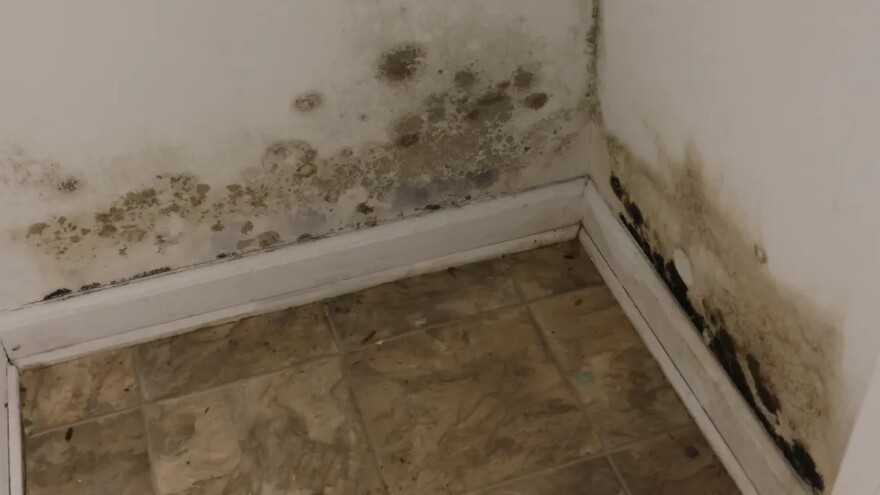
Understanding Mold Removal Challenges in Palm Bay in Coastal Properties
Palm Bay’s coastal setting offers stunning waterfront views, steady ocean breezes, and the relaxed lifestyle that comes with living near the water. But along with those advantages comes one consistent challenge: moisture. In coastal properties, humidity is not a seasonal inconvenience — it is a year-round environmental factor that influences how buildings age, how materials perform, and how mold develops.
Mold removal in Palm Bay’s coastal homes presents challenges that are very different from properties located inland. Between salt air corrosion, heavy storm seasons, wind-driven rain, and high groundwater levels, moisture behaves differently here. That means remediation must go beyond surface cleaning and address the deeper environmental pressures unique to this region.
Let’s take a closer look at why mold removal in Palm Bay’s coastal properties requires a specialized approach — and how proper remediation protects long-term structural integrity.
Why Coastal Properties in Palm Bay Are More Vulnerable
Living near the water means constant exposure to environmental moisture.
Persistent High Humidity
Palm Bay’s proximity to the Atlantic Ocean and the Indian River Lagoon keeps outdoor humidity elevated most of the year. Even on sunny days, moisture remains in the air. That humidity enters homes through natural air exchange, ventilation systems, and minor building gaps.
When indoor relative humidity rises above 60%, porous materials such as drywall and wood framing begin absorbing moisture.
Salt Air Exposure
Salt particles in coastal air gradually weaken roofing components, flashing, fasteners, and exterior seals. Over time, this leads to small vulnerabilities that allow rainwater to enter structural cavities.
Wind-Driven Rain
Storms in coastal Palm Bay often push rain sideways. Water can penetrate around windows, under shingles, and behind siding even if no major roof damage is visible.
Elevated Water Tables
After heavy rainfall, groundwater levels rise quickly. In slab foundation homes, hydrostatic pressure may push moisture upward through concrete, affecting flooring and lower wall sections.
These combined factors make coastal homes more prone to hidden moisture — and therefore mold growth.
How Mold Develops in Coastal Environments
Mold requires moisture and organic material. In Palm Bay’s coastal homes, moisture often reaches:
- Attic roof decking
- Exterior-facing wall cavities
- Crawl spaces
- Slab-adjacent baseboards
- Window framing
- HVAC ductwork
Because moisture can enter gradually, mold often develops silently.
Homeowners may first notice:
- Musty odors
- Ceiling staining
- Bubbling paint
- Warped trim
- Elevated indoor humidity
By that time, microbial growth may already be established inside concealed spaces.
The Unique Challenges of Mold Removal in Palm Bay
Removing mold in coastal properties presents several complications.
Continuous Environmental Pressure
Even after remediation, high outdoor humidity remains. Without long-term humidity control, mold may return.
Hidden Moisture Pathways
Water rarely travels straight downward. It can move laterally along framing before settling in unexpected locations.
HVAC Influence
Many Palm Bay homes rely heavily on air conditioning. Ductwork running through humid attic spaces may produce condensation that contributes to mold growth.
Slab Foundation Moisture
Moisture migrating upward from slabs may go unnoticed until flooring or baseboards show damage.
These factors require a detailed and systematic approach.
The Proper Mold Removal Process
Step 1: Comprehensive Moisture Detection
Successful mold removal begins with identifying every moisture source.
Professionals use:
- Moisture meters
- Thermal imaging
- Humidity readings
- Attic and crawl space inspection
- Exterior flashing evaluation
Companies like Inspections and More FL emphasize moisture mapping because coastal homes often have multiple contributing factors.
Without identifying all moisture pathways, removal efforts may be incomplete.
Step 2: Correcting the Source
Source correction is critical.
This may involve:
- Repairing roof flashing
- Resealing windows and doors
- Improving exterior drainage
- Addressing slab vapor transmission
- Correcting ventilation imbalances
- Repairing plumbing leaks
Without correcting the source, mold will return.
Step 3: Containment
Affected areas must be isolated to prevent spore spread.
HEPA filtration systems may be used to maintain negative air pressure during remediation.
Step 4: Removal of Contaminated Materials
Heavily saturated drywall, insulation, or porous materials often require removal.
In coastal properties, insulation frequently absorbs moisture deeply and cannot be salvaged.
Step 5: Cleaning and Surface Treatment
Structural framing and sheathing are cleaned using professional techniques.
Surface wiping alone is insufficient when contamination is embedded.
Step 6: Controlled Structural Drying
Industrial dehumidifiers and air movers reduce moisture levels in structural components.
In Palm Bay’s humid environment, drying must be carefully monitored and verified.
Stopping drying too early increases recurrence risk.
Why DIY Mold Removal Fails in Coastal Homes
Homeowners sometimes attempt:
- Bleach cleaning
- Painting over stains
- Running household fans
- Replacing drywall without drying framing
- Ignoring attic spaces
These actions address visible symptoms but not the underlying moisture.
In coastal climates, incomplete remediation leads to recurring problems.
Cost Factors to Consider
Mold removal costs vary depending on:
- Size of affected area
- Extent of hidden moisture spread
- Accessibility of crawl spaces or attics
- Duration of drying
- Necessary repairs
- HVAC involvement
Early detection significantly reduces total cost.
Delays allow contamination to spread into larger structural areas.
Long-Term Prevention Strategies
Palm Bay coastal homeowners should focus on ongoing moisture control.
Recommended practices include:
- Maintaining indoor humidity between 45–55%
- Scheduling annual roof inspections
- Servicing HVAC systems regularly
- Inspecting attic ventilation
- Installing vapor barriers in crawl spaces
- Monitoring slab moisture
- Addressing minor leaks immediately
- Scheduling post-storm inspections
Preventive maintenance is the most effective way to reduce mold challenges.
Why Local Experience Matters
Palm Bay coastal properties face:
- Salt air corrosion
- Persistent humidity
- Tropical storm exposure
- Elevated groundwater levels
- Slab foundation construction
Professionals familiar with these regional pressures understand how moisture behaves in coastal homes.
That experience ensures mold removal strategies are tailored to local environmental conditions.
A Structured Approach to Coastal Mold Removal
Mold removal in Palm Bay’s coastal properties requires more than surface cleaning. It demands a complete understanding of how moisture moves through structures in humid, salt-air environments.
The correct sequence is always:
Identify hidden moisture.
Correct intrusion sources.
Contain affected areas.
Remove contaminated materials.
Dry structural components thoroughly.
Implement long-term humidity control.
When handled methodically and promptly, mold removal protects framing, preserves indoor air quality, and prevents structural damage.
In Palm Bay’s coastal climate, moisture management is not optional — it is essential to maintaining a healthy, stable, and resilient property year after year.
