
Understanding Mold Removal Challenges in Sanford Inside Attic Spaces
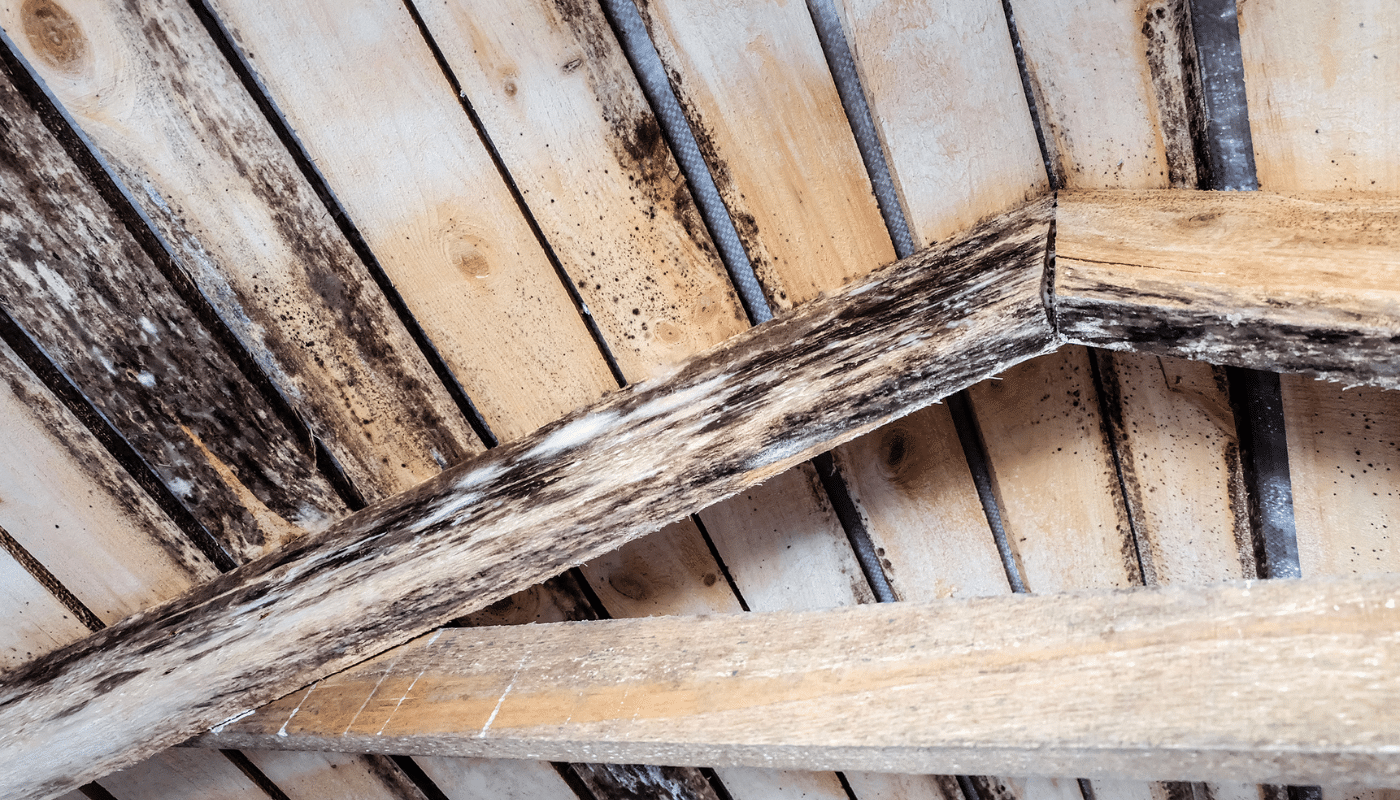
Attic spaces in Sanford homes are easy to overlook. They’re rarely visited, often poorly lit, and usually out of sight for years at a time. But in Central Florida’s humid climate, attics are one of the most common places for mold growth to develop — especially after minor roof leaks or prolonged humidity issues.
Mold removal inside attic spaces comes with its own set of challenges. Unlike visible mold on a bathroom wall, attic contamination often involves structural materials, insulation, ventilation issues, and hidden moisture sources.
If you live in Sanford or nearby areas like Lake Mary or Deltona, understanding why attic mold is complicated — and how it’s handled properly — can protect your home long term.
Why Sanford Attics Are Vulnerable to Mold Growth
Attics in Sanford homes face a combination of conditions that create ideal moisture pressure:
- High outdoor humidity
- Intense summer heat
- Heavy rainstorms
- Occasional roof flashing failures
- Limited airflow
- HVAC duct condensation
During Florida summers, attic temperatures can soar. When warm, humid air enters through vents or roof gaps, condensation can form on cooler surfaces — especially overnight.
If moisture lingers, roof decking and wood framing become vulnerable.
Common Causes of Attic Mold in Sanford Homes
Mold inside attic spaces often develops due to:
Minor Roof Leaks
Small shingle or flashing failures allow slow water intrusion.
Poor Ventilation
Insufficient ridge or soffit ventilation traps humid air.
Bathroom Exhaust Venting Into the Attic
Instead of venting outside, moist air accumulates above ceilings.
HVAC Duct Sweating
Condensation from uninsulated ductwork can drip onto insulation.
Blocked Soffit Vents
Preventing proper airflow.
Because attics are rarely inspected regularly, these issues may go unnoticed for long periods.
Why Attic Mold Is Harder to Address
Mold removal inside attic spaces presents challenges that are different from interior rooms.
1. Structural Surfaces
Attic mold commonly affects:
- Plywood roof decking
- Rafters and trusses
- Sheathing
- Exposed framing
These materials are structural. Removing them entirely may not be practical if they remain sound.
2. Limited Access
Attics are tight, hot, and difficult to navigate safely.
3. Heat and Humidity
Sanford’s attic temperatures accelerate moisture movement and complicate drying.
4. Insulation Saturation
Wet insulation must often be removed before proper remediation can occur.
These factors require a structured and careful approach.
Why Surface Cleaning Isn’t Enough
Homeowners sometimes attempt to:
- Spray bleach on roof decking
- Wipe visible spots
- Install more vents without addressing moisture
However:
- Bleach does not penetrate porous wood effectively
- Surface cleaning does not correct ventilation issues
- Moisture trapped in decking can cause recurrence
If the underlying humidity or leak is not corrected, mold will likely return.
Proper removal always begins with moisture correction.
The Role of Moisture Detection in Attic Mold Removal
Before removal begins, professionals typically:
- Inspect roof penetrations
- Use moisture meters to test decking
- Check insulation for dampness
- Evaluate ventilation performance
Thermal imaging may also identify temperature variations that indicate hidden moisture.
At Inspections and More FL, attic mold removal in Sanford homes begins with identifying the source — not just treating the symptom.
The Structured Mold Removal Process
Attic mold remediation often includes:
1. Source Correction
Repair roof leaks or ventilation issues first.
2. Containment
Isolate attic space when necessary to prevent contamination spread.
3. Insulation Removal
Wet or contaminated insulation may need to be removed.
4. Surface Cleaning
Professional cleaning methods remove growth from wood framing and decking.
5. Structural Drying
Airflow and dehumidification stabilize moisture levels.
6. Optional Encapsulation
In some cases, protective coatings are applied to cleaned structural surfaces.
Each step ensures the problem is addressed fully — not partially.
Why Sanford’s Climate Complicates Attic Mold Removal
Sanford homes experience:
- Persistent humidity
- Heavy seasonal rainfall
- Rapid temperature swings
- Slab construction below
Moisture that enters an attic doesn’t always stay confined. It can affect ceiling drywall, wall cavities, and even indoor air quality.
Additionally, Florida’s warm climate shortens the window between moisture intrusion and mold development.
Timely intervention is critical.
Common Signs of Attic Mold Issues
Homeowners may notice:
- Musty odors in upper floors
- Dark staining on roof decking
- Increased indoor humidity
- Ceiling stains after storms
- AC running constantly
- Allergy-like irritation indoors
Sometimes, attic mold is discovered during a routine roof inspection or home sale.
By that point, the issue may have been present for months.
Long-Term Risks of Ignoring Attic Mold
When attic mold is left unaddressed, homeowners may experience:
- Continued roof decking deterioration
- Reduced insulation efficiency
- Elevated humidity inside living spaces
- Recurring ceiling stains
- Increased repair costs over time
Because attics influence the entire home’s airflow system, ignoring issues above the ceiling can affect indoor comfort below.
Preventing Future Attic Mold in Sanford Homes
Homeowners can reduce risk by:
Inspecting Roofs Annually
Especially before hurricane season.
Ensuring Proper Ventilation
Ridge and soffit vents must remain clear.
Checking Bathroom Exhaust Venting
Confirm vents exit outdoors, not into the attic.
Monitoring Indoor Humidity
Maintain levels between 45–55%.
Inspecting Attics After Major Storms
Early detection reduces damage.
Routine inspections throughout Sanford and nearby communities help prevent small attic issues from escalating.
Why Local Experience Matters
Attic mold in Florida behaves differently than in dry climates.
Sanford homes face:
- High humidity year-round
- Intense attic heat
- Frequent storms
- Heavy AC use
Understanding how moisture migrates through Florida roofing systems ensures that mold removal is both effective and long lasting.
Local experience allows for accurate interpretation of moisture readings and proper remediation planning.
A Calm, Practical Next Step
If your Sanford home shows signs of attic moisture or visible mold on roof decking, scheduling a professional evaluation is a proactive step.
An assessment can determine:
- Whether moisture is still present
- If insulation must be removed
- Whether structural cleaning is sufficient
- How to prevent recurrence
Inspections and More FL works with homeowners throughout Sanford, Cocoa, Palm Bay, Melbourne, and Merritt Island to evaluate and remediate attic mold using structured methods suited to Florida’s climate.
Attic mold may be out of sight, but addressing it properly protects the entire home beneath it.
