
Understanding Structural Dryout Challenges in Merritt Island After Hidden Water Intrusion
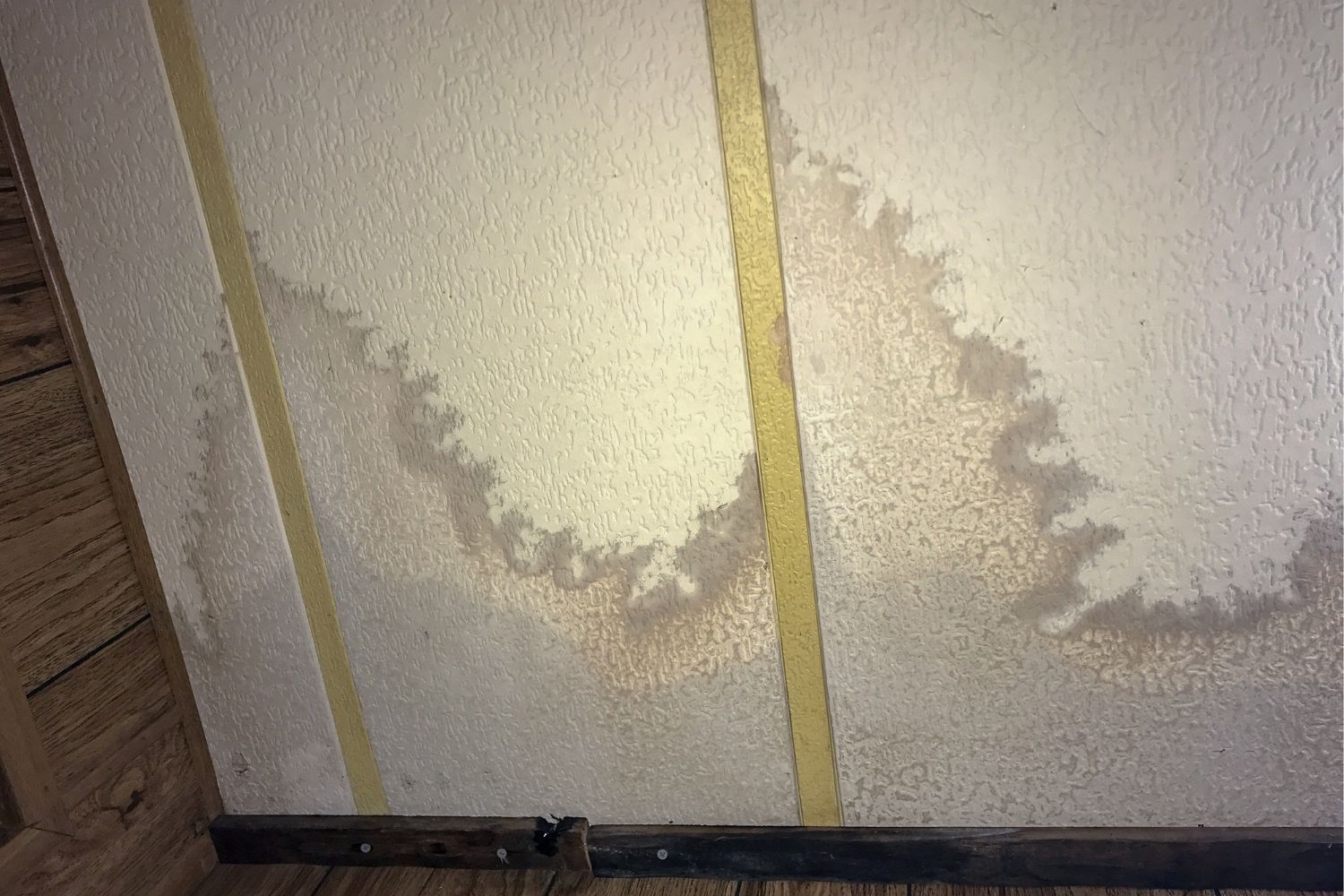
Hidden water intrusion is one of the most frustrating problems property owners face in Merritt Island. Unlike a burst pipe that floods a room or a visible roof leak dripping from the ceiling, hidden moisture can sit quietly behind walls, under flooring, or inside ceiling cavities for days or even weeks before anyone realizes there’s a problem.
By the time you notice a musty odor, a warped baseboard, or a faint stain on drywall, moisture has often already spread into structural materials. In Florida’s humid coastal climate, that lingering dampness doesn’t resolve on its own. It requires a structured, professional dryout process.
Structural dryouts in Merritt Island come with unique challenges. Between high humidity, salt air exposure, older construction styles, and frequent storms, drying a property thoroughly takes more than setting up a few fans.
Understanding why structural dryouts become complicated after hidden water intrusion helps homeowners and property managers make smarter, calmer decisions.
What Hidden Water Intrusion Really Means
Hidden water intrusion refers to moisture entering a structure without immediate visible signs. In Merritt Island homes, this commonly happens due to:
- Slow roof leaks during heavy rain
- Window or door seal failures
- AC condensation line clogs
- Plumbing leaks behind walls
- Minor flooding that seeps beneath flooring
- Exterior wall cracks allowing rain penetration
Water doesn’t stay where it first enters. It follows framing, insulation, and gravity paths. That means a leak in one area can cause dampness several feet away.
Because the damage isn’t obvious right away, materials may absorb water for extended periods before drying begins.
Why Merritt Island Properties Face Unique Drying Challenges
Merritt Island sits between the Indian River and the Banana River, surrounded by coastal influences. That geography brings specific environmental conditions:
- High year-round humidity
- Salt-laden air
- Heavy seasonal rainstorms
- Elevated water tables
- Warm temperatures that accelerate microbial growth
When hidden water intrusion happens in this environment, drying becomes more difficult.
Even after the source is repaired, the air itself contains moisture. That slows evaporation and increases the time needed to return materials to safe moisture levels.
Structural dryouts here require careful monitoring, not guesswork.
Common Signs of Hidden Moisture
Homeowners often notice subtle warning signs before understanding the full extent of the issue:
- Musty or damp odors
- Slightly buckled flooring
- Peeling paint
- Warped baseboards
- Ceiling discoloration
- HVAC running longer than usual
Because Merritt Island properties frequently experience humidity fluctuations, these signs are sometimes dismissed as normal coastal conditions.
However, if the moisture source isn’t identified and corrected, structural materials can weaken over time.
Why Structural Drying Isn’t as Simple as It Sounds
Many people assume drying means turning on fans and opening windows. In Florida, that approach can make things worse.
Opening windows during humid weather allows more moisture into the home. Running household fans without dehumidification simply circulates damp air.
Structural dryouts require controlled conditions.
The goal is to:
- Reduce humidity
- Increase airflow across wet surfaces
- Extract moisture from inside materials
- Monitor moisture content until safe levels are achieved
In Merritt Island, achieving that balance takes specialized equipment and local experience.
The Challenge of Drying Behind Walls
Hidden water intrusion often affects areas you can’t see.
Moisture can soak:
- Wall insulation
- Wood studs
- Subfloors
- Ceiling cavities
- Cabinet backing
Drywall may feel dry to the touch while internal framing remains damp.
Without moisture detection tools, it’s impossible to confirm whether structural components have fully dried.
Thermal imaging and moisture meters help professionals identify pockets of trapped dampness that would otherwise go unnoticed.
Coastal Humidity Slows Everything Down
Merritt Island’s coastal humidity means ambient air already holds significant moisture. That reduces the natural evaporation rate of wet materials.
Structural dryouts require commercial-grade dehumidifiers to pull moisture from the air and create a drying environment.
Air movers are strategically placed to:
- Direct airflow across affected areas
- Encourage evaporation from framing and subfloors
- Prevent stagnant air pockets
Without dehumidification, moisture removed from walls simply remains suspended in the indoor air.
That’s one of the most common challenges in Florida dryouts.
Slab Foundations and Subfloor Saturation
Many Merritt Island homes are built on slab foundations. When hidden water intrusion seeps beneath flooring, moisture can become trapped between tile, laminate, or hardwood and the slab.
Because slabs are dense and non-porous, water may spread horizontally before rising upward.
Drying these areas may require:
- Lifting sections of flooring
- Injecting dry air beneath surfaces
- Monitoring slab moisture levels
Skipping this step can allow moisture to remain beneath finished floors, leading to future damage.
HVAC Complications After Water Intrusion
Air conditioning systems play a major role in Florida indoor environments. After hidden water intrusion, HVAC systems can complicate drying if not evaluated properly.
Moisture inside ductwork or air handlers can:
- Spread humidity
- Circulate contaminants
- Delay drying progress
Professional structural dryouts often include checking nearby HVAC components to ensure they aren’t contributing to ongoing moisture issues.
Why DIY Attempts Often Fail
After discovering hidden water intrusion, homeowners may try:
- Portable dehumidifiers
- Shop vac extraction
- Replacing a small section of drywall
- Painting over stains
While these steps may reduce visible damage, they don’t confirm structural dryness.
DIY drying typically fails because:
- Moisture inside framing isn’t measured
- Humidity levels aren’t controlled precisely
- Airflow isn’t balanced correctly
- Drying stops too early
In Merritt Island’s climate, incomplete drying almost always leads to secondary problems.
The Professional Structural Dryout Process
A proper dryout after hidden water intrusion typically includes:
Inspection and Detection
Moisture meters and thermal imaging identify affected materials and determine the extent of spread.
Containment
If necessary, sections are isolated to control airflow and prevent cross-contamination.
Water Extraction
Standing water is removed first.
Dehumidification and Air Movement
Commercial equipment reduces indoor humidity and encourages evaporation.
Material Monitoring
Moisture levels are checked daily to confirm drying progress.
Removal of Unsalvageable Materials
If drywall or insulation cannot be dried safely, it may need to be removed.
Companies like Inspections and More FL focus on verifying dryness through measurable readings, not assumptions.
Preventing Future Hidden Intrusion in Merritt Island
Prevention is especially important in coastal communities.
Homeowners can reduce risk by:
- Inspecting roofs before storm season
- Sealing windows and exterior penetrations
- Monitoring indoor humidity
- Cleaning gutters regularly
- Checking AC condensate lines
- Scheduling periodic moisture evaluations
Small maintenance steps make a significant difference in Florida’s demanding environment.
Why Local Experience Makes a Difference
Structural dryouts in Merritt Island require understanding how coastal humidity interacts with building materials.
Professionals familiar with:
- Local weather patterns
- Common construction types
- Slab and crawl space behavior
- Salt air corrosion effects
are better equipped to dry properties thoroughly.
Inspections and More FL works throughout Merritt Island and surrounding areas, focusing on careful moisture detection and controlled drying tailored to Florida’s conditions.
A Calm, Practical Next Step
If you suspect hidden water intrusion in your Merritt Island property, don’t wait for obvious structural damage to appear.
Musty odors, subtle warping, or recurring humidity changes often indicate moisture beneath the surface.
A professional structural dryout ensures your home is not only visibly dry but structurally stable.
In a coastal Florida environment where humidity is constant and storms are frequent, confirming dryness is not just a precaution — it’s a necessary step to protect your investment long term.
