
Understanding Structural Dryouts Challenges in Merritt Island Under Hardwood Flooring
Hardwood flooring in Merritt Island homes looks great — until moisture gets underneath it.
Coastal humidity, heavy rainstorms, rising groundwater, and AC condensation all create steady moisture pressure on homes across the island. When water intrusion happens, it rarely stays on the surface. Instead, it migrates beneath flooring, into subfloors, and along slab foundations.
Structural dryouts under hardwood flooring are some of the most challenging drying situations in Merritt Island.
And the longer moisture remains trapped below, the more complicated the recovery becomes.
Why Hardwood Flooring Is Vulnerable in Merritt Island
Hardwood is a natural material.
It expands and contracts based on moisture levels in the air and in the materials beneath it.
In Merritt Island’s coastal climate, homes experience:
• High year-round humidity
• Heavy tropical rain events
• Elevated groundwater levels
• Salt-laden air exposure
• Prolonged damp air after storms
When hardwood is installed over:
• Concrete slab foundations
• Wood subfloors above crawl spaces
• Underlayment systems
moisture can migrate upward or inward and become trapped beneath the boards.
Once that happens, drying becomes more complex than most homeowners expect.
Common Moisture Sources Beneath Hardwood
In Merritt Island homes, structural dryouts are often triggered by:
Slab Vapor Transmission
Concrete is porous. After heavy rain, moisture vapor can move upward through the slab and accumulate beneath hardwood flooring.
Crawl Space Humidity
In elevated homes, humid air from crawl spaces rises into subfloors, dampening the underside of hardwood boards.
Plumbing Leaks
Slow leaks beneath sinks or behind appliances can migrate under flooring before being detected.
Hurricane or Storm Intrusion
Wind-driven rain entering through exterior walls may travel downward and collect along flooring edges.
By the time visible cupping appears, moisture has usually been present for days or weeks.
Early Warning Signs Under Hardwood
Homeowners often notice:
• Cupping or crowning boards
• Gaps forming between planks
• Soft or spongy areas
• Musty odors
• Darkened edges near baseboards
Surface drying will not fix these problems.
If moisture remains beneath the boards, damage will continue.
Moisture detection confirms how far water has spread under the flooring system.
Why Structural Dryouts Are Challenging Under Hardwood
Drying hardwood flooring presents several difficulties.
Moisture Is Trapped
Hardwood acts like a barrier. When moisture accumulates beneath it, evaporation slows significantly.
Without removing boards, airflow may not reach the subfloor effectively.
Uneven Drying Causes Warping
If the surface dries faster than the underside, boards may warp further.
Controlled drying must stabilize both layers evenly.
Slab Foundations Retain Moisture
In slab homes common throughout Merritt Island, concrete may remain damp long after visible moisture disappears.
Replacing flooring before confirming slab dryness leads to repeat damage.
Coastal Humidity Slows Evaporation
High ambient humidity reduces the rate at which materials release moisture.
Without dehumidification, drying stalls.
The Role of Moisture Detection
Before beginning structural dryouts, moisture mapping is critical.
This may include:
• Pin moisture meter readings in hardwood
• Subfloor testing
• Slab moisture measurements
• Thermal imaging scans
• Crawl space humidity checks
Companies like Inspections and More FL use moisture detection tools to determine whether boards can be salvaged or require removal.
Accurate mapping reduces unnecessary demolition.
How Structural Dryouts Are Performed
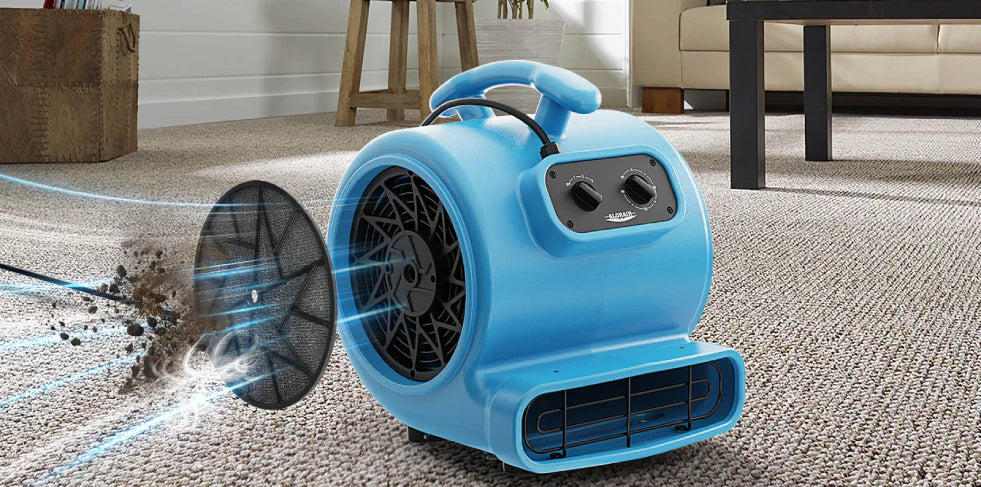
When drying beneath hardwood is possible without removal, the process may involve:
• Strategic air mover placement
• Floor drying mats
• Commercial dehumidifiers
• Controlled humidity reduction
• Continuous moisture monitoring
In more severe cases, affected boards must be removed to expose subfloor materials.
Drying continues until moisture readings reach safe thresholds.
Verification protects long-term flooring stability.
Why Timing Is Critical
In Florida’s warm climate, mold growth can begin within 24 to 48 hours on damp subfloors or underlayment.
Delays increase:
• Board warping
• Adhesive failure
• Subfloor deterioration
• Remediation scope
Early structural drying limits damage and may preserve more of the existing hardwood.
Waiting often means full replacement.
Crawl Space Considerations in Elevated Homes
Many Merritt Island homes are built slightly elevated.
If crawl spaces remain humid:
• Subfloor moisture stays elevated
• Hardwood boards absorb dampness from below
• Odors persist
Structural dryouts may need to address both the flooring above and the crawl space below.
Ignoring subfloor humidity leads to recurring issues.
Preventing Future Moisture Under Hardwood
Homeowners can reduce risk by:
• Monitoring indoor humidity
• Installing vapor barriers in crawl spaces
• Inspecting slabs before new flooring installation
• Addressing plumbing leaks immediately
• Scheduling post-storm evaluations
• Servicing HVAC systems regularly
Moisture control protects hardwood longevity.
Coastal living requires consistent oversight.
Why Local Experience Matters in Merritt Island
Moisture behavior in Merritt Island differs from inland Sanford or even nearby Palm Bay.
Coastal groundwater levels, salt exposure, and seasonal storm intensity influence how moisture migrates beneath flooring.
Professionals familiar with:
• Local slab construction methods
• Typical crawl space designs
• Coastal humidity cycles
• Hardwood installation patterns common in Brevard County
can determine the most effective drying strategy.
Localized expertise prevents both under-drying and unnecessary flooring removal.
A Practical Next Step
If your Merritt Island home shows signs of moisture beneath hardwood flooring, scheduling a moisture evaluation is a proactive decision.
Structural dryouts beneath hardwood require careful control and monitoring.
In Florida’s humid coastal climate, moisture doesn’t disappear without intervention.
Handled early and properly, structural drying protects your subfloor, framing, and long-term flooring investment.
Unchecked, hidden moisture beneath hardwood quietly leads to larger structural repairs.
