
Understanding Thermal Imaging Inspection Challenges in Melbourne During Extreme Humidity
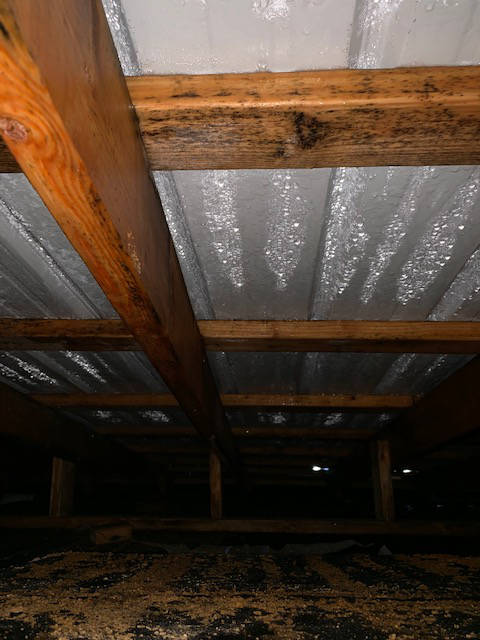
Thermal imaging inspections are one of the most valuable tools we use in Melbourne homes. They help locate hidden moisture behind walls, in ceilings, and inside attic spaces without tearing anything open.
But here’s something most homeowners don’t realize: extreme humidity — which we see often in Melbourne — can make thermal imaging more challenging to interpret.
During peak summer months, after heavy rain, or in the middle of storm season, humidity levels across Brevard County can stay elevated for days. When that happens, the way heat and moisture behave inside a structure changes. And that directly impacts how thermal imaging performs.
Let’s take a closer look at why thermal imaging inspections can be more complex during extreme humidity — and why local experience makes such a difference.
How Thermal Imaging Normally Works
A thermal imaging camera doesn’t see water directly. It detects surface temperature differences.
When moisture is present inside building materials:
- Wet areas often appear cooler than dry areas
- Evaporation affects surface temperature
- Saturated materials retain heat differently
Those temperature differences show up as patterns on the thermal camera screen.
Inspectors then use moisture meters to confirm whether the anomaly actually indicates moisture.
Under normal humidity conditions, this process is straightforward. But in Melbourne’s extreme humidity, the environment can blur those temperature patterns.
Why Melbourne’s Humidity Complicates Readings
Melbourne regularly experiences:
- Outdoor humidity above 70%
- Warm nighttime temperatures
- Heavy afternoon rainstorms
- High dew point conditions
- Extended storm cycles
During extreme humidity, the entire structure may feel damp — even if no active leak exists.
When indoor humidity rises significantly:
- Surfaces cool differently
- Condensation may form temporarily
- Thermal contrast between wet and dry areas decreases
In simple terms, everything looks closer in temperature.
That reduces the contrast thermal imaging relies on.
The “Low Contrast” Challenge
Thermal imaging works best when there is a noticeable temperature difference between materials.
In high-humidity conditions:
- Walls may already be slightly damp from ambient moisture
- Air temperature stays close to surface temperature
- Evaporation slows down
Because of this, a true moisture intrusion may not appear dramatically different from surrounding materials.
This is known as low thermal contrast.
In Melbourne’s summer humidity, this happens frequently.
False Positives During Extreme Humidity
Another challenge in humid conditions is distinguishing between:
- True water intrusion
- Surface condensation
- HVAC temperature variation
- Insulation gaps
- Sun exposure patterns
For example:
- An exterior wall may show cooler thermal readings because of shade — not moisture
- AC vents can create temperature shifts unrelated to leaks
- Condensation may form briefly when indoor air meets cooler surfaces
Without experience interpreting Florida-specific patterns, thermal images can be misleading.
That’s why moisture meter confirmation is essential.
Attic Inspections During Humid Conditions
Attics in Melbourne homes become extremely hot and humid.
After rainstorms or during storm season:
- Insulation may hold humidity
- Roof decking may show condensation
- Ventilation may pull in humid coastal air
Thermal imaging in these spaces requires careful timing.
If inspections occur during peak afternoon heat, temperature differences may flatten. If done early morning, condensation may create misleading patterns.
Inspectors must understand how humidity cycles shift throughout the day.
The Role of Dew Point in Thermal Accuracy
Dew point plays a major role in humid climates like Melbourne.
When indoor air reaches dew point, moisture condenses on cooler surfaces.
This can:
- Create temporary thermal anomalies
- Mimic leak patterns
- Affect walls near exterior areas
In extreme humidity, inspectors often evaluate both temperature and relative humidity to interpret readings correctly.
Understanding dew point behavior is critical in coastal Florida homes.
Why Moisture Meters Are Essential in Humid Conditions
Thermal imaging identifies suspicious areas.
Moisture meters confirm the truth.
In extreme humidity:
- Thermal patterns alone are not enough
- Surface temperature changes may not equal water intrusion
- Multiple readings across surfaces are necessary
Professional inspections in Melbourne always combine:
- Thermal imaging
- Pin or pinless moisture meters
- Indoor humidity measurements
This layered approach prevents misdiagnosis.
Slab Homes and Humidity Effects
Many Melbourne homes are slab-on-grade construction.
During extreme humidity:
- Slabs may feel damp
- Flooring may appear cooler
- Baseboards may show subtle temperature changes
Thermal imaging must distinguish between:
- Moisture transmission from the slab
- Ambient humidity influence
- Actual plumbing or roof leaks
Because slabs absorb and release moisture gradually, readings require experience and interpretation over time.
Timing Matters More Than Most People Realize
In humid climates, the time of day can affect thermal imaging results.
Early morning:
- Cooler surfaces
- Possible condensation
Midday:
- Reduced thermal contrast
- Sun exposure interference
Evening:
- Temperature stabilization
- Better contrast in some cases
Experienced inspectors in Melbourne know when conditions are most favorable for accurate readings.
Storm Season Adds Another Layer of Complexity
During hurricane or heavy rain periods:
- Humidity stays elevated for days
- Materials may be damp from ambient air alone
- Repeated rain cycles affect drying
In these conditions, inspections may require multiple visits or ongoing monitoring to confirm moisture patterns.
Patience and verification prevent unnecessary demolition.
Why Local Experience Matters in Melbourne
Thermal imaging in dry states is very different from thermal imaging in Florida.
Local professionals understand:
- How coastal humidity shifts daily
- How salt air affects building materials
- How slab foundations influence readings
- How HVAC systems interact with humidity
- How to interpret Florida-specific temperature patterns
Without that local context, extreme humidity can lead to misinterpretation.
At Inspections and More FL, inspections are based on understanding how Melbourne’s environment affects structures — not just what the camera shows.
When Thermal Imaging Is Still Essential — Even in Humidity
Despite the challenges, thermal imaging remains a critical tool.
It helps identify:
- Hidden roof leaks
- Plumbing line moisture
- Window intrusion patterns
- Crawl space humidity transfer
- HVAC condensation zones
The key is proper interpretation and confirmation.
Extreme humidity doesn’t eliminate the value of thermal imaging — it simply demands greater expertise.
Protecting Melbourne Homes in High Humidity
Extreme humidity is part of life in Melbourne.
Thermal imaging inspections protect properties by:
- Identifying hidden moisture before damage spreads
- Guiding targeted drying
- Preventing unnecessary wall removal
- Reducing long-term repair costs
- Supporting accurate remediation decisions
When performed correctly, even in challenging humidity conditions, thermal imaging provides valuable insight into what’s happening behind walls and above ceilings.
If your Melbourne home has experienced heavy rain, storm season exposure, or persistent damp air, a properly conducted moisture inspection can determine whether hidden moisture is present — even when humidity complicates the picture.
Because in Florida, moisture rarely announces itself clearly. It has to be found the right way.
