
What Experienced Inspectors Look For: Fire Damage Restoration Challenges in Coastal Neighborhoods Near Biscayne Bay
Coastal neighborhoods near Biscayne Bay offer beautiful waterfront views, steady ocean breezes, and a vibrant lifestyle. However, when a fire occurs in these areas, restoration becomes significantly more complex than in inland properties. The combination of salt air, high humidity, older construction materials, and storm-prone conditions creates unique challenges that experienced inspectors must carefully evaluate.
Fire damage restoration in bayfront communities such as North Miami, Miami Shores, Surfside, and other Biscayne Bay-adjacent neighborhoods is not just about removing soot and repairing burned materials. It requires a deep understanding of coastal environmental factors, structural vulnerabilities, and hidden moisture risks that can complicate recovery.
Below is a detailed look at what experienced inspectors evaluate when assessing fire damage in these coastal settings—and why those evaluations are critical for long-term property protection.
The Coastal Environment Changes Everything
Before even stepping inside the damaged property, seasoned inspectors consider the environmental context.
Coastal neighborhoods near Biscayne Bay face:
- High year-round humidity
- Salt-laden air
- Frequent rain and tropical storms
- Hurricane exposure
- Elevated groundwater tables
These conditions accelerate corrosion, promote microbial growth, and complicate smoke and soot removal. Fire damage restoration in these areas is rarely straightforward because environmental factors continue affecting the property even after the fire is extinguished.
Inspectors immediately begin thinking about how moisture and salt exposure will interact with fire-damaged materials.
Structural Integrity: Heat + Salt = Accelerated Deterioration
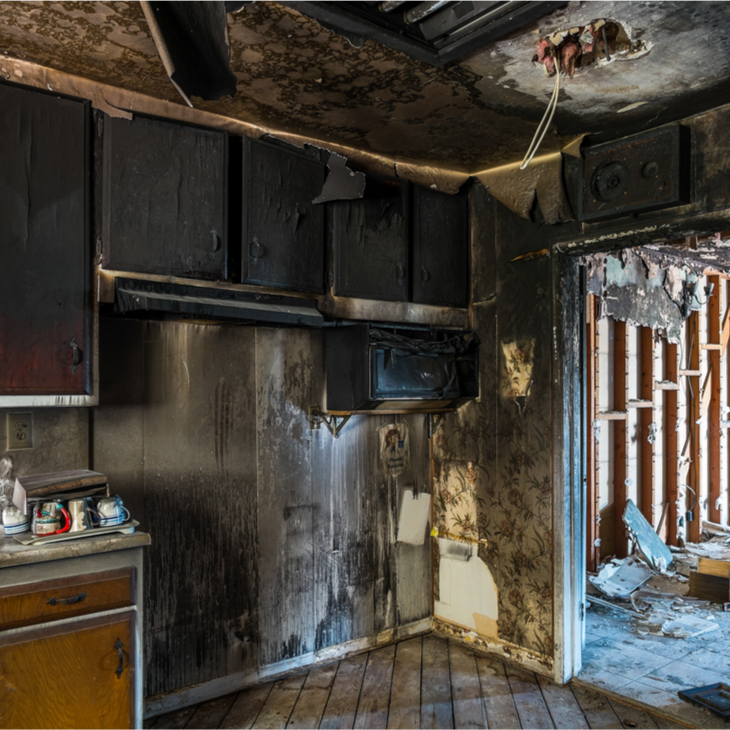
One of the first priorities is assessing structural stability.
Experienced inspectors look for:
- Warped or cracked roof trusses
- Heat-compromised load-bearing walls
- Charred floor joists
- Softened or weakened framing
In coastal homes, many structural components have already endured years of salt exposure. Salt accelerates corrosion in metal connectors, nails, and brackets. When combined with high heat from a fire, these weakened connections can fail faster than expected.
Inspectors often use moisture meters and structural probes to test:
- Hidden framing cavities
- Subfloor integrity
- Attic truss connections
- Balcony supports
Older houses near Biscayne Bay may also have original wood framing that absorbs moisture easily. After a fire, water from firefighting efforts saturates these materials, increasing the risk of rot if not addressed quickly.
Smoke and Soot Behavior in Humid Coastal Air
Smoke damage in coastal neighborhoods behaves differently due to humidity.
High humidity causes soot particles to:
- Stick more aggressively to surfaces
- Penetrate porous materials
- Absorb moisture and become acidic
- Spread deeper into HVAC systems
Experienced inspectors look for both visible soot and invisible contamination.
They examine:
- Cabinet interiors
- Behind baseboards
- Inside electrical outlets
- Attic insulation
- Ductwork
Soot in coastal environments can mix with moisture and become corrosive. This mixture can damage:
- Metal fixtures
- Plumbing lines
- Electrical wiring
- Air conditioning components
If not thoroughly cleaned, corrosion may continue long after visible smoke damage appears resolved.
Hidden Moisture from Firefighting Efforts
Fire suppression efforts introduce significant amounts of water into the structure. In Biscayne Bay’s humid coastal climate, this becomes a major secondary risk.
Experienced inspectors carefully check for:
- Saturated drywall cavities
- Trapped moisture under flooring
- Water inside insulation
- Wet subfloors
- Hidden moisture behind tile
Because coastal air is already humid, drying times are slower. Without proper dehumidification and airflow management, mold can begin forming within 24–48 hours.
Inspectors use:
- Thermal imaging cameras
- Pin and non-invasive moisture meters
- Hygrometers
- Infrared scanning
Even homes that appear dry on the surface may conceal damp framing, especially in older properties with plaster walls or solid masonry construction common near the bay.
Electrical System Evaluation
Salt air and fire damage create a dangerous combination for electrical systems.
Experienced inspectors look for:
- Melted wiring insulation
- Corroded breaker panels
- Soot contamination inside outlets
- Salt-related corrosion on wiring connections
Smoke residue can penetrate electrical components and increase resistance, leading to overheating risks in the future.
In older Biscayne Bay homes, electrical systems may already be outdated. Fire damage often exposes pre-existing vulnerabilities. Inspectors evaluate whether full rewiring is safer than partial repairs.
HVAC and Air Duct Contamination
In coastal neighborhoods, air conditioning systems run almost year-round. That means ductwork becomes a major pathway for smoke distribution.
Inspectors check:
- Duct interiors for soot buildup
- Air handler contamination
- Evaporator coils
- Condensation pans
Humidity inside ducts can cause soot to adhere tightly, creating persistent odors and air quality issues.
If ducts are not properly cleaned or replaced, residents may experience:
- Ongoing smoke smells
- Respiratory irritation
- Reduced indoor air quality
- Recirculated contaminants
In bayfront homes, HVAC systems also face salt exposure, so inspectors assess corrosion levels before deciding whether cleaning or replacement is appropriate.
Corrosion from Salt and Fire Residue
One of the most overlooked challenges in coastal fire restoration is long-term corrosion.
Salt air alone gradually corrodes:
- Door hinges
- Window frames
- Railings
- Appliances
When soot mixes with moisture, it creates acidic residue that accelerates corrosion dramatically.
Inspectors look for early signs such as:
- Pitting on metal surfaces
- Rust formation on fasteners
- Deterioration on aluminum frames
- Appliance panel corrosion
If corrosion is not addressed promptly, structural and mechanical components can weaken within months.
Roofing and Attic Complications
In coastal neighborhoods near Biscayne Bay, many homes have flat roofs or low-slope systems.
Inspectors assess:
- Burned roofing membranes
- Compromised underlayment
- Smoke intrusion into attic insulation
- Water pooling from firefighting efforts
Salt exposure already weakens fasteners and flashing over time. Fire damage can accelerate roof system failure.
Attics in older homes may also lack proper ventilation, increasing moisture retention after suppression efforts.
Mold Risk Following Fire Damage
In humid coastal areas, mold risk is one of the most serious secondary concerns.
Inspectors look for:
- Elevated humidity levels
- Damp insulation
- Moisture inside wall cavities
- Musty odors
Fire-damaged materials combined with firefighting water create ideal conditions for mold growth.
Older houses near Biscayne Bay often have:
- Plaster walls
- Wood lath systems
- Crawl spaces
- Slab foundations with moisture migration
These features make moisture detection especially important.
Windows, Doors, and Envelope Weakness
Fire heat can compromise seals around:
- Windows
- Sliding glass doors
- Bayfront balconies
- Impact-resistant frames
In coastal homes, maintaining a tight building envelope is critical to resist storms and salt intrusion.
Inspectors check for:
- Warped frames
- Seal failure
- Glass stress cracks
- Smoke infiltration inside wall cavities
If envelope integrity is weakened, homes may become vulnerable during hurricane season.
Indoor Air Quality Assessment
Even after visible damage is repaired, experienced inspectors evaluate long-term indoor air quality.
They assess:
- Residual smoke odors
- Microscopic soot particles
- HVAC contamination
- Humidity levels
Bayfront properties often have large glass openings and open floor plans, allowing smoke to spread extensively. Comprehensive air quality testing ensures contaminants are fully removed before re-occupancy.
Special Considerations for Older Biscayne Bay Homes
Many coastal neighborhoods near Biscayne Bay include homes built decades ago. Older construction methods may include:
- Non-pressure-treated wood
- Original electrical wiring
- Minimal vapor barriers
- Older insulation materials
Fire damage in these properties requires careful inspection because modern restoration standards may reveal pre-existing weaknesses.
Experienced inspectors distinguish between:
- Fire-related damage
- Salt-related deterioration
- Age-related structural wear
This distinction helps guide appropriate restoration decisions.
The Importance of Comprehensive Restoration Planning
Fire restoration in coastal environments is rarely limited to surface cleaning. Inspectors play a crucial role in:
- Identifying hidden structural risks
- Detecting trapped moisture
- Evaluating corrosion potential
- Assessing long-term air quality impacts
Because Biscayne Bay neighborhoods experience constant environmental stress, incomplete restoration can lead to recurring issues months later.
A thorough inspection ensures:
- Structural safety
- Proper moisture mitigation
- Corrosion prevention
- Clean and breathable indoor air
- Long-term durability
Final Thoughts
Fire damage restoration in coastal neighborhoods near Biscayne Bay presents unique challenges that demand experienced inspection and careful evaluation. Heat, smoke, water, salt air, and humidity combine to create complex damage patterns that are not always visible at first glance.
Experienced inspectors understand how these environmental factors interact. They look beyond surface soot and obvious burn marks to identify hidden moisture, structural vulnerabilities, HVAC contamination, and corrosion risks that could compromise a property long after the flames are extinguished.
For property owners in North Miami and surrounding bayfront communities, comprehensive inspection is the foundation of effective restoration. When every layer of damage is carefully assessed, restoration efforts can protect both the structure and the long-term health of the home.
In coastal environments, thoroughness is not optional—it is essential for true recovery.
