
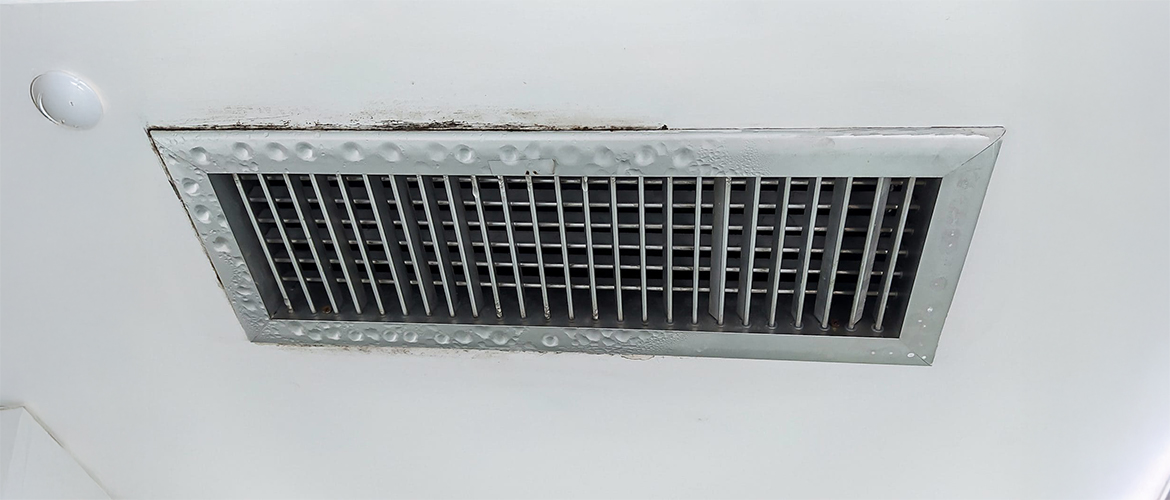
When AC Condensation Becomes a Problem in Merritt Island: A Closer Look at Anti-Microbial Fogging
Air conditioning is a necessity in Merritt Island. From late spring through most of the year, systems run daily in homes across Cocoa, Melbourne, Palm Bay, and surrounding coastal neighborhoods. But when AC condensation isn’t properly controlled, it can quietly turn into a moisture problem.
What starts as normal condensation can eventually contribute to damp drywall, wet insulation, and in some cases, mold growth.
One method often discussed during remediation is anti-microbial fogging. But what is it really? When is it appropriate? And what does it actually do?
Let’s take a closer look — especially through the lens of Florida’s coastal climate.
How AC Condensation Turns Into a Moisture Issue
Condensation forms when warm, humid air contacts cold surfaces. In Florida homes, that’s happening constantly inside ductwork and around air handlers.
Normally, this moisture drains safely away through properly functioning drain lines. But problems develop when:
- Drain lines clog
- Drip pans overflow
- Duct insulation is inadequate
- Airflow is restricted
- Humidity levels remain elevated indoors
- Ductwork sweats in unconditioned attics
In Merritt Island homes, high outdoor humidity makes these situations more common. Even minor AC inefficiencies can result in persistent dampness inside walls or ceilings.
Over time, that moisture creates conditions mold can use to grow.
Why This Is Especially Common in Merritt Island
Coastal Brevard County presents a unique set of conditions:
High ambient humidity
Moisture doesn’t evaporate quickly, even indoors.
Long cooling seasons
AC systems operate most of the year, increasing condensation cycles.
Attic temperature differences
Hot attics over cold ducts create sweating issues.
Salt air exposure
Metal components corrode faster, affecting drainage systems.
Storm-driven humidity spikes
After heavy rain, indoor humidity often rises dramatically.
Homes in Merritt Island and waterfront Cocoa areas often see more duct sweating due to insulation gaps and salt-related wear.
Signs Condensation Has Become a Problem
AC-related moisture issues are usually subtle at first.
Property owners often notice:
- Musty smells near vents
- Discoloration around ceiling registers
- Damp drywall below air handlers
- Warped baseboards in rooms with supply vents
- Rusting around metal vent boots
- Elevated indoor humidity readings
Because the system runs daily, condensation problems tend to be ongoing rather than isolated events.
Where Mold Often Develops from AC Moisture
When condensation persists, mold commonly develops in:
- Wall cavities near supply vents
- Around air handler closets
- Attic insulation touching ductwork
- Behind drywall near condensate lines
- Inside return plenums
- Under flooring near HVAC systems
The visible area near a vent is often just the surface indicator of a deeper moisture source.
Why Simply Cleaning the Vent Doesn’t Solve It
Wiping vent covers or spraying cleaners into ducts may seem helpful, but condensation-related issues are moisture-driven.
If:
- Drain lines remain partially clogged
- Insulation gaps persist
- Humidity remains elevated
- Airflow issues are unresolved
Then mold-friendly conditions continue.
Cleaning surfaces without correcting condensation simply resets the clock.
What Anti-Microbial Fogging Actually Is
Anti-microbial fogging involves dispersing a fine mist of treatment solution into a contained space.
The fog reaches:
- Irregular framing surfaces
- Tight wall cavities
- Duct interiors
- Areas difficult to manually wipe
It is designed to reduce microbial presence after physical cleaning and drying.
Important distinction: fogging is a supplemental step — not a standalone solution.
When Fogging Is Appropriate in AC Condensation Cases
Fogging may be considered when:
- Mold growth has been confirmed and physically removed
- Surfaces have been properly dried
- Containment is in place
- HVAC-related moisture has been corrected
- Structural cleaning has already occurred
It is not used to mask odors or replace removal of contaminated materials.
In condensation cases, fogging may help treat surfaces exposed during remediation — particularly in duct-adjacent cavities.
The Step-by-Step Process in AC-Related Remediation
Step 1: Identify and Correct the Condensation Source
This may involve:
- Clearing drain lines
- Replacing damaged drip pans
- Improving duct insulation
- Adjusting airflow
- Sealing duct joints
- Reducing indoor humidity
Without this correction, fogging has limited long-term effect.
Step 2: Containment Setup
Affected areas are isolated using plastic barriers.
Negative air machines maintain controlled airflow during work.
Step 3: Removal of Impacted Materials
Water-damaged drywall or insulation is carefully removed.
Porous materials holding moisture cannot simply be treated — they must be replaced.
Step 4: HEPA Cleaning of Exposed Surfaces
Structural components are vacuumed and wiped to remove contamination.
Physical removal is essential before any fogging occurs.
Step 5: Controlled Drying
Dehumidifiers and air movers run until moisture levels return to acceptable ranges.
Measurements confirm dryness.
Step 6: Anti-Microbial Fogging (If Appropriate)
A fine mist is applied within the contained area.
This step supports sanitation of irregular surfaces but does not replace cleaning.
Step 7: Final Moisture Verification
Before rebuilding, technicians verify that condensation issues are resolved and materials are dry.
Preventing Future AC Condensation Problems
In Merritt Island homes, prevention is ongoing maintenance.
Key steps include:
- Annual AC system inspections
- Routine drain line cleaning
- Monitoring indoor humidity levels
- Ensuring attic duct insulation remains intact
- Inspecting air handler closets periodically
- Scheduling evaluations after heavy storm seasons
Homes in Cocoa, Palm Bay, Melbourne, and Merritt Island benefit from proactive moisture checks because humidity conditions are constant.
Why Local Experience Matters with AC Moisture
Florida’s climate makes condensation management more complex than in dry states.
Local professionals understand:
- How coastal humidity affects duct systems
- How salt air impacts metal HVAC components
- How slab foundations respond to moisture migration
- How long drying actually takes in coastal conditions
- Which building styles are prone to duct sweating
That knowledge allows more accurate diagnosis and targeted remediation.
Companies like Inspections and More FL approach AC-related mold issues by focusing first on moisture correction — because treating symptoms without addressing condensation is ineffective.
A Practical, Measured Approach
AC condensation isn’t unusual in Merritt Island. But when drainage, insulation, or airflow problems develop, moisture can accumulate quietly.
If you notice musty odors near vents, staining around registers, or damp areas near air handlers, it’s worth evaluating the system.
Anti-microbial fogging can be part of the remediation process — but only after moisture sources are corrected and cleaning is completed.
In Florida’s humid climate, successful mold remediation always starts with controlling moisture.
