
When AC Condensation Becomes a Problem in Sanford: A Closer Look at Air Scrubbing
In Sanford, air conditioning systems run almost year-round. They are essential for managing Florida’s heat and heavy humidity. But when AC condensation becomes excessive or improperly managed, it can quietly turn into a moisture problem that affects indoor air quality, wall cavities, insulation, and even structural framing.
Many homeowners first notice subtle signs. The air feels heavier. There’s a faint musty odor near the AC closet. The system seems to run longer but doesn’t feel as effective. These early indicators often point to condensation buildup that has gone beyond normal operation.
When that happens, air scrubbing can become a necessary part of restoring balance inside the home.
Understanding How AC Condensation Works
Air conditioning systems remove humidity as they cool indoor air. Warm air passes over cold evaporator coils, causing moisture to condense and drip into a drain pan. That water then flows through a condensate drain line and exits the home.
Under normal conditions, this process keeps indoor humidity stable.
Problems begin when:
- Drain lines become clogged
- Drain pans overflow or crack
- Coils freeze and thaw repeatedly
- Airflow becomes restricted
- Insulation near ducts traps moisture
When condensation cannot drain properly, moisture accumulates inside the AC closet, wall cavities, attic spaces, or duct systems.
In Sanford’s humid environment, this moisture doesn’t dry quickly.
Why AC Condensation Problems Are Common in Sanford
Sanford’s climate makes condensation issues more frequent and more serious.
Local contributing factors include:
- High year-round humidity
- Long cooling seasons
- Frequent thunderstorms
- Warm attic temperatures
- Continuous AC operation
- High groundwater levels
When humidity outdoors remains elevated, AC systems work harder to remove moisture. That increases condensation production. Even a small restriction in drainage can lead to persistent dampness.
Because air handlers are often located in closets, attics, or garages, moisture can remain hidden for weeks before visible damage appears.
Early Warning Signs of AC Condensation Problems
Homeowners in Sanford often notice warning signs before visible damage occurs:
- Musty odors near the air handler
- Damp drywall around AC closets
- Rust forming in the drain pan
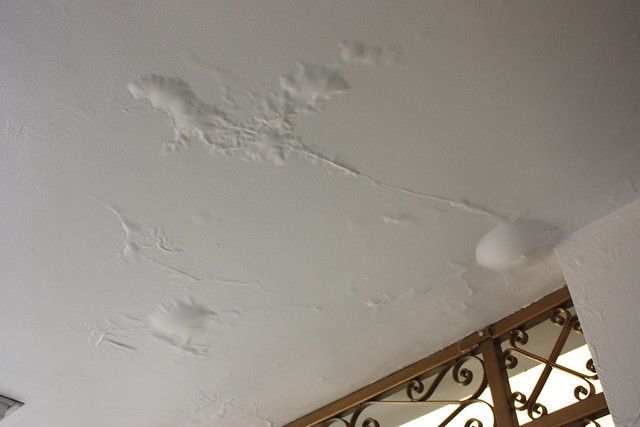
- Staining near ceiling vents
- Increased indoor humidity
- Air that feels heavy or stale
In some cases, minor discoloration may appear near baseboards or ceiling areas connected to duct runs.
These signs suggest moisture may be affecting materials beyond the AC unit itself.
How Condensation Impacts Indoor Air Quality
When condensation accumulates, moisture can saturate nearby materials. Damp materials create an environment where airborne particles increase.
Moisture inside:
- Insulation
- Drywall
- Duct lining
- Framing cavities
can release microscopic particles into the air as the AC system cycles on and off.
Because HVAC systems circulate air throughout the home, contamination can spread beyond the original moisture source.
This is when air scrubbing becomes necessary.
Why Dehumidification Alone Is Not Enough
Lowering indoor humidity helps reduce moisture levels, but it does not remove airborne particles that may already be circulating.
If condensation has led to:
- Microbial growth
- Insulation deterioration
- Dust and debris accumulation
- Persistent odors
air scrubbing addresses the air quality component while moisture sources are corrected.
Both processes work together, but they serve different purposes.
What Air Scrubbing Actually Does
Air scrubbing uses commercial-grade HEPA filtration equipment to clean indoor air continuously.
Professional air scrubbers:
- Pull in contaminated air
- Capture particles as small as 0.3 microns
- Filter spores, dust, and fine debris
- Release clean air back into the space
When AC condensation has compromised air quality, air scrubbing removes suspended particles while structural drying or repairs take place.
In humid climates like Sanford, this step often prevents further spread of contamination.
When Air Scrubbing Becomes Necessary
Air scrubbing is commonly recommended when:
- Mold growth is discovered near the air handler
- Musty odors persist after drain line repair
- Damp insulation is present
- Structural drying is underway
- Ductwork has been exposed to moisture
- Indoor air remains stale despite humidity correction
Because AC systems distribute air throughout the home, airborne contamination can travel quickly if not filtered.
The Professional Process for AC-Related Air Scrubbing
When addressing AC condensation problems in Sanford homes, a structured approach is used.
Step 1: Moisture Detection
Thermal imaging and moisture meters identify damp areas around the AC unit and inside adjacent walls.
Step 2: Drainage Correction
Clogged drain lines are cleared. Damaged pans or components are repaired or replaced.
Step 3: Containment (If Necessary)
If contamination is present, containment barriers prevent spread to unaffected areas.
Step 4: HEPA Air Scrubbing
Air scrubbers are placed strategically to filter airborne particles continuously.
Step 5: Dehumidification
Commercial dehumidifiers stabilize humidity levels to prevent recurrence.
Step 6: Monitoring
Humidity and air quality are checked until conditions return to normal ranges.
This integrated process ensures both moisture and airborne contamination are addressed.
Hidden Areas Commonly Affected
In Sanford homes, AC condensation frequently impacts:
- Drywall behind air handler closets
- Attic insulation near ductwork
- Ceiling cavities beneath attic units
- Adjacent wall framing
- Duct interiors
Because these areas are enclosed, moisture often remains unnoticed until odors or staining appear.
Proper inspection identifies these hidden moisture zones before larger damage develops.
Long-Term Prevention Strategies
To prevent future AC condensation problems in Sanford:
- Clean condensate drain lines regularly
- Inspect drain pans annually
- Replace air filters on schedule
- Ensure proper attic insulation
- Maintain clear airflow around the unit
- Monitor indoor humidity levels
Routine HVAC servicing is especially important before peak summer months.
Why Local Experience Matters
AC condensation behavior in Sanford differs from drier climates. Professionals must understand:
- Central Florida humidity patterns
- Seasonal storm impact
- Attic heat and duct condensation
- Slab foundation moisture influence
- Continuous AC cycling conditions
Solutions that work in low-humidity regions may not address Florida’s ongoing moisture pressure.
Inspections and More FL works throughout Sanford and surrounding areas with experience specific to Florida’s environmental conditions. Local expertise ensures AC-related moisture issues are handled thoroughly and safely.
A Practical Next Step
If your Sanford home feels damp near the AC system, or you notice musty odors when it runs, condensation may be creating a larger indoor air issue.
Air scrubbing becomes necessary when moisture has affected air quality and particles are circulating through the HVAC system.
Correcting the moisture source and restoring clean indoor air protects structural materials and maintains a comfortable, stable indoor environment — especially in Florida’s humid climate.
