
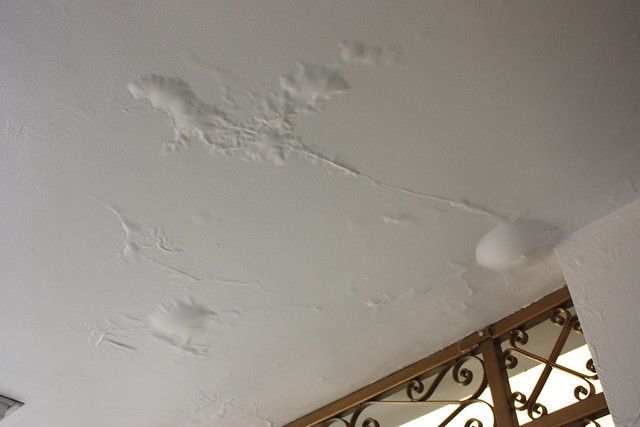
When AC Condensation Becomes a Problem in Sanford: A Closer Look at Thermal Imaging Inspections
In Sanford, air conditioning systems don’t just cool homes — they manage humidity.
With long summers, frequent thunderstorms, and warm nights that stretch deep into fall, AC units run hard and often. But when condensation isn’t draining properly, that same system designed to remove moisture can quietly introduce it into ceilings, walls, and attic spaces.
AC condensation problems rarely start with a dramatic leak.
They usually begin with subtle warning signs.
And by the time visible damage appears, moisture may already be spreading behind finished surfaces.
That’s where thermal imaging inspections become valuable.
Why AC Condensation Issues Are Common in Sanford
Sanford may not sit directly on the coast like Merritt Island, but it still experiences:
• High seasonal humidity
• Heavy summer rainfall
• Prolonged damp air after storms
• Warm attic temperatures
• Nearly year-round AC use
When warm indoor air passes over cold evaporator coils, condensation forms naturally.
That moisture drains through a condensate line.
If the line clogs, the drain pan cracks, or ducts sweat excessively in hot attic spaces, water accumulates where it shouldn’t.
Over time, that moisture seeps into surrounding materials.
Early Signs of Condensation Problems
Many homeowners miss the early indicators.
Watch for:
• Water stains near ceiling vents
• Musty odors around air handlers
• Dripping near HVAC closets
• Rust forming on drain pans
• Increased indoor humidity despite AC use
• Soft drywall near supply registers
These signs suggest moisture may be accumulating inside wall or ceiling cavities.
Surface staining is often the last visible clue.
How Moisture Spreads From Condensation
Condensation-related moisture typically affects:
• Ceiling drywall beneath attic units
• Wall cavities near vertical drain lines
• Insulation surrounding ductwork
• Subfloor areas beneath closet-mounted air handlers
Because Sanford’s humidity remains elevated for much of the year, evaporation is slow.
Moisture can sit inside framing for days — or longer — before detection.
Without intervention, microbial growth becomes more likely.
Why Thermal Imaging Is Effective for AC-Related Moisture
Thermal imaging cameras detect temperature differences across surfaces.
Damp materials cool and heat differently than dry materials.
When condensation seeps into drywall or insulation, it often creates subtle thermal variations.
During an inspection, thermal imaging can:
• Identify hidden damp areas behind ceilings
• Locate moisture around duct runs
• Highlight wall cavity saturation
• Reveal temperature differences near air handlers
Thermal imaging does not see water directly.
It identifies anomalies that require confirmation with moisture meters.
Combined, these tools provide a clearer picture of hidden intrusion.
Attic Condensation and Duct Sweating
Many Sanford homes have ductwork running through hot attic spaces.
When cold air moves through ducts surrounded by extreme heat and humidity, condensation forms.
This moisture can drip onto insulation and framing.
Thermal imaging in attic spaces often reveals:
• Damp roof decking near ducts
• Elevated moisture in trusses
• Insulation holding trapped humidity
If left unaddressed, attic condensation contributes to mold growth and structural weakening.
Drain Line Failures and Wall Moisture
Clogged condensate lines are one of the most common AC-related moisture issues in Sanford.
When drainage backs up, water may overflow into:
• HVAC closets
• Wall cavities
• Ceiling cavities below attic units
Thermal imaging can detect cool damp areas before visible staining develops.
Early detection limits drywall removal and structural drying needs.
Slab Homes and Closet Air Handlers
Many Sanford homes built on slab foundations have air handlers located in interior closets.
If condensation overflows or leaks near the base of the unit, moisture can migrate into:
• Lower drywall sections
• Baseboards
• Flooring materials
• Slab surfaces
Thermal imaging combined with slab moisture readings helps determine whether drying is necessary before replacing finishes.
Ignoring slab moisture leads to recurring problems.
Why Timing Matters in Florida’s Climate
Sanford’s warm conditions accelerate microbial growth.
If condensation remains unaddressed for more than 24 to 48 hours:
• Mold risk increases
• Insulation degrades
• Drywall weakens
• Odors intensify
Thermal imaging inspections provide early insight before widespread contamination develops.
Quick evaluation reduces both drying time and repair costs.
What Happens After Moisture Is Found
If thermal imaging confirms damp areas, recovery may include:
• Correcting mechanical issues (clearing drain lines, repairing ducts)
• Controlled demolition of affected drywall
• Structural drying with air movers and dehumidifiers
• Ongoing moisture monitoring
• Air filtration when necessary
Companies like Inspections and More FL often combine thermal imaging with moisture mapping to ensure drying is complete before reconstruction.
Verification protects against repeat damage.
Preventing Future AC Condensation Issues
Sanford homeowners can reduce risk by:
• Cleaning condensate lines regularly
• Inspecting drain pans annually
• Ensuring proper duct insulation
• Monitoring indoor humidity levels
• Scheduling routine HVAC maintenance
• Inspecting attic spaces after heavy humidity cycles
Mechanical maintenance prevents structural drying emergencies.
Why Local Experience Matters
Condensation behavior in Sanford differs from coastal communities like Melbourne or Merritt Island.
Inland humidity cycles, roofing styles, and slab construction patterns influence how moisture spreads from HVAC systems.
Professionals familiar with:
• Sanford attic configurations
• Common air handler placements
• Local rainfall intensity
• Seasonal humidity patterns
can interpret thermal imaging results accurately.
Localized expertise prevents both overreaction and underestimation.
A Practical Next Step
If you suspect AC condensation issues in your Sanford home, scheduling a thermal imaging inspection is a proactive way to avoid structural damage.
Condensation problems often start small.
But in Florida’s humid environment, they rarely stay that way.
Early detection protects drywall, framing, insulation, and indoor air quality.
When AC condensation becomes a problem, seeing what’s behind the walls makes all the difference.
