
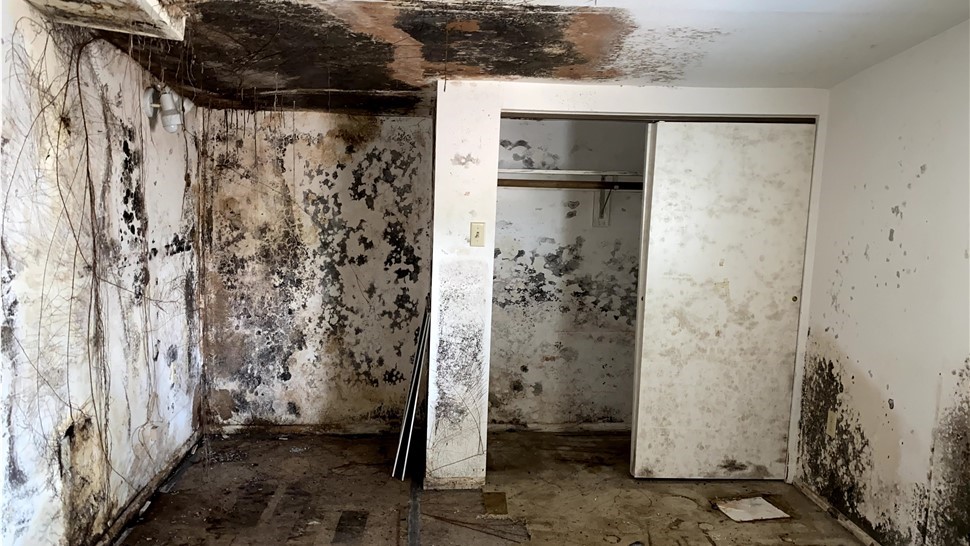
When Indoor Air Feels Damp in Merritt Island: A Closer Look at Mold Remediation
In Merritt Island, it’s not unusual for the air to feel heavy.
Living between the Indian River Lagoon and the Atlantic influence means humidity is part of daily life. But there’s a difference between normal Florida humidity and indoor air that feels persistently damp.
If your home feels sticky even when the AC is running, or you notice a musty odor that won’t go away, moisture may be accumulating somewhere inside the structure.
And when moisture lingers in Merritt Island’s warm coastal climate, mold remediation often becomes part of the solution.
Why Indoor Air Feels Damp in Merritt Island Homes
Waterfront proximity and coastal exposure create steady moisture pressure on homes.
Merritt Island properties deal with:
• High year-round humidity
• Frequent heavy rainstorms
• Elevated groundwater levels
• Salt-laden air exposure
• Warm attic temperatures
Even without visible leaks, moisture can enter through:
• Roof penetrations
• Window and door seals
• Slab foundations
• Crawl spaces
• HVAC systems
When indoor relative humidity consistently stays above 60%, building materials begin absorbing moisture.
Over time, that creates conditions where mold can develop.
Early Signs That Go Beyond Humidity
When indoor air feels damp, homeowners often notice additional warning signs:
• Persistent musty odors
• Condensation on windows
• Peeling paint near baseboards
• Warped hardwood floors
• Soft drywall areas
• AC running longer than usual
These signs suggest moisture may be trapped inside walls, ceilings, or beneath flooring.
Surface cleaning won’t fix the root issue.
Moisture detection confirms where dampness is occurring.
Common Moisture Sources in Merritt Island Homes
Crawl Space Humidity
Elevated homes near the water often have crawl spaces.
After heavy rain, soil saturation increases humidity beneath the home. That moisture rises into subflooring and living areas.
Slab Vapor Transmission
In slab-built homes, groundwater pressure may push moisture upward through concrete.
If flooring traps it, humidity builds inside the house.
Attic Intrusion
Wind-driven rain during storms can enter through minor roof gaps.
Damp insulation and framing increase humidity levels below.
HVAC Condensation
Cold ducts running through hot attic spaces often sweat in humid conditions.
Condensation dripping onto insulation creates hidden dampness.
Each of these pathways can contribute to indoor air feeling heavy and uncomfortable.
When Mold Remediation Becomes Necessary
If moisture remains untreated, mold can develop within 24 to 48 hours in Florida’s warm climate.
Mold remediation becomes necessary when:
• Visible growth appears
• Air testing confirms elevated spore counts
• Structural materials show contamination
• Odors persist despite drying
Remediation focuses on removing contamination and correcting the moisture source simultaneously.
Without moisture correction, mold returns.
Companies like Inspections and More FL prioritize identifying intrusion pathways before beginning removal.
What Mold Remediation Involves
In Merritt Island homes, mold remediation typically includes:
• Moisture detection and mapping
• Repair of leaks or intrusion sources
• Establishing containment zones
• Removing contaminated drywall or insulation
• HEPA air filtration
• Surface cleaning of framing
• Structural drying with dehumidification
• Post-remediation verification
This structured approach ensures both contamination and underlying moisture are addressed.
Simply spraying surfaces does not resolve the issue.
The Role of Dehumidification
When indoor air feels damp, dehumidification is often a critical part of remediation.
Lowering relative humidity:
• Supports structural drying
• Reduces mold risk
• Stabilizes indoor air quality
• Improves occupant comfort
In Merritt Island’s humid coastal air, natural ventilation alone is rarely sufficient.
Controlled dehumidification accelerates recovery.
Why Timing Matters in Coastal Florida
Humidity remains elevated long after storms pass.
If damp air and materials are ignored:
• Mold spreads
• Odors intensify
• Containment zones expand
• Structural repairs become more extensive
Early evaluation often limits remediation to localized areas.
Waiting allows moisture to migrate deeper into walls and subfloors.
Quick action reduces cost and disruption.
Long-Term Humidity Control Strategies
After remediation, homeowners can reduce recurrence by:
• Monitoring indoor humidity
• Servicing HVAC systems regularly
• Inspecting crawl spaces annually
• Maintaining roof integrity
• Sealing exterior penetrations
• Scheduling post-storm evaluations
Moisture management is ongoing in Merritt Island.
Prevention protects structural materials year-round.
Why Local Experience Matters
Moisture behavior in Merritt Island differs from inland Sanford or even nearby Palm Bay.
Coastal wind direction, salt exposure, and groundwater fluctuations influence how humidity accumulates inside homes.
Professionals familiar with:
• Local roof construction styles
• Typical slab foundation designs
• Crawl space configurations
• Seasonal storm intensity
can identify likely moisture paths quickly.
Localized expertise ensures remediation targets the real source.
A Practical Next Step
If indoor air in your Merritt Island home consistently feels damp, don’t ignore it.
Humidity is often the first warning sign of hidden moisture.
A professional moisture evaluation can determine whether mold remediation is necessary or if humidity control alone will stabilize the environment.
In Florida’s coastal climate, moisture rarely corrects itself.
Handled early and thoroughly, remediation protects framing, flooring, and indoor air quality — restoring comfort to your home.
