
Why Air Blower Installation Becomes Necessary in Melbourne Behind Interior Walls
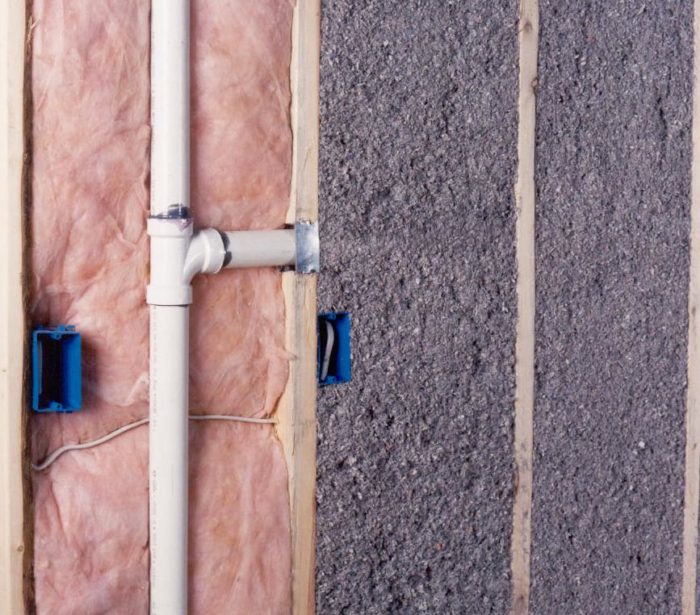
In Melbourne, moisture problems don’t always show up as puddles on the floor. More often, they begin quietly behind interior walls. A small plumbing leak, a roof drip during a storm, or an AC condensate overflow can introduce moisture into wall cavities without obvious surface damage.
By the time a faint musty odor appears or paint begins to bubble, water may already be trapped inside framing, insulation, and drywall backing.
That’s when air blower installation becomes necessary.
Air blowers are not just fans placed in a room. They’re part of a targeted structural drying process designed to remove moisture from inside enclosed spaces — especially behind interior walls.
Let’s take a closer look at why this matters in Melbourne homes and when air blower installation is the right step.
How Moisture Gets Behind Interior Walls
In Melbourne and across Brevard County, common moisture sources include:
- AC condensate line clogs
- Roof leaks during heavy rain
- Window seal failures
- Plumbing line drips inside walls
- Slab edge moisture migration
- Storm-driven rain intrusion
When water enters a wall cavity, it doesn’t always soak through to the surface immediately.
Instead, it can:
- Saturate insulation
- Travel along wooden studs
- Wick upward into drywall
- Pool along the bottom plate
Because walls are enclosed, airflow is limited. That trapped moisture dries slowly — especially in Florida’s humid climate.
Why Melbourne’s Climate Makes Drying More Difficult
Melbourne’s environmental conditions amplify moisture problems.
High Humidity
Outdoor air already contains significant moisture, slowing evaporation.
Warm Temperatures
Heat increases moisture movement inside materials.
Slab Construction
Many Melbourne homes are built on slabs, allowing moisture to travel upward into lower wall sections.
Year-Round AC Usage
AC systems can contribute condensation if not maintained properly.
Without active drying, moisture behind walls can remain for weeks.
Signs Moisture May Be Trapped Behind Walls
Homeowners may notice subtle symptoms, such as:
- Musty odor in specific rooms
- Bubbling paint
- Warped baseboards
- Soft drywall
- Elevated indoor humidity
- AC running constantly
In some cases, there are no visible signs at all. Moisture meters and thermal imaging often reveal hidden damp areas before surface damage appears.
When moisture is confirmed inside wall cavities, air blower installation becomes part of the drying solution.
Why Surface Drying Isn’t Enough
Setting up a box fan in the room may help dry exposed surfaces. But it does not circulate air inside wall cavities.
Behind drywall, insulation blocks airflow. Moisture remains trapped against wood framing and subfloor plates.
Without direct airflow:
- Drying is extremely slow
- Humidity remains elevated
- Materials stay damp
- Secondary damage can develop
Air blower systems are designed to direct airflow exactly where it’s needed — inside the wall cavity itself.
How Air Blower Installation Works
Professional in-wall drying systems involve:
Moisture Mapping
Thermal imaging and moisture meters identify damp zones.
Controlled Access Points
Small openings are made strategically in drywall to access the cavity.
Air Injection or Suction Systems
Specialized hoses direct high-velocity airflow into the wall space.
Dehumidification Support
Commercial dehumidifiers remove extracted moisture from the air.
Monitoring
Moisture readings are tracked daily to ensure drying progress.
This method allows walls to dry internally without extensive demolition.
At Inspections and More FL, air blower installation in Melbourne homes is used when moisture is contained within structural cavities and materials are still salvageable.
When Air Blower Installation Is Necessary
Air blower systems are typically recommended when:
- Moisture is detected inside wall cavities
- Drywall has not yet deteriorated severely
- The moisture source has been repaired
- Structural framing remains intact
- Early intervention is possible
The sooner air movement is introduced behind walls, the greater the chance of avoiding material replacement.
The Role of Air Blowers in Preventing Secondary Damage
Prompt internal drying helps:
- Stabilize wood framing
- Protect insulation performance
- Reduce indoor humidity
- Prevent musty odors
- Restore structural moisture balance
In Melbourne’s humid environment, early drying significantly reduces the risk of microbial growth.
Air blowers do not replace proper moisture correction — they complement it.
Common Mistakes Homeowners Make
Waiting Too Long
Delays allow moisture to spread further inside the wall.
Ignoring Small Leaks
Even minor drips can saturate insulation.
Repainting Too Soon
Paint traps moisture inside walls.
Using Household Fans Only
Room airflow does not reach enclosed cavities.
Professional moisture detection ensures air blower installation is used only when necessary and effective.
Hidden Areas That Often Require In-Wall Drying
In Melbourne homes, common areas include:
- Walls near HVAC closets
- Lower exterior walls
- Beneath window frames
- Adjacent to plumbing lines
- Around roof penetration zones
Without thermal imaging, these areas are difficult to identify accurately.
Early detection allows targeted drying rather than widespread demolition.
Preventing Future Wall Cavity Moisture Issues
Prevention steps include:
Maintain AC Systems
Clear condensate lines regularly.
Inspect After Heavy Rain
Look for early signs of intrusion.
Seal Windows and Exterior Penetrations
Prevent wind-driven rain from entering walls.
Monitor Indoor Humidity
Maintain levels between 45–55%.
Address Minor Leaks Immediately
Small issues escalate quickly in Florida’s climate.
Routine evaluations across Melbourne and surrounding areas reduce the need for structural drying later.
Why Local Experience in Melbourne Matters
Air blower installation behind walls must account for:
- Florida humidity
- Slab construction
- Warm temperatures
- Coastal air exposure
- Storm-driven rain patterns
Moisture readings in Florida behave differently than in dry climates.
Local experience ensures drying timelines are accurate and that materials are not rebuilt before reaching safe moisture levels.
A Calm, Practical Next Step
If your Melbourne home has experienced a leak or condensation issue and you suspect moisture behind interior walls, scheduling a professional evaluation is a proactive step.
An assessment can determine:
- Whether moisture is present inside cavities
- If air blower installation is necessary
- Whether structural drying can prevent material removal
- How to prevent recurrence
Inspections and More FL works with homeowners throughout Melbourne, Cocoa, Palm Bay, Merritt Island, and Sanford to identify and manage hidden wall moisture using structured, Florida-specific methods.
Moisture behind walls may be invisible — but with proper air blower installation and drying, it doesn’t have to become a long-term problem.
