
Why Air Blower Installation Becomes Necessary in Melbourne in Coastal Properties
Living in Melbourne’s coastal communities offers ocean breezes and waterfront views, but those same coastal conditions create constant moisture pressure on homes. Between salt-heavy air, tropical storms, elevated humidity, and wind-driven rain, moisture intrusion is not uncommon.
When water enters a home — whether from a storm, roof leak, plumbing issue, or persistent humidity — drying the surface isn’t enough. Moisture often becomes trapped inside structural materials. That’s where air blower installation becomes necessary.
In Melbourne, as well as nearby Merritt Island, Palm Bay, Cocoa, and even Sanford, controlled air movement is a critical part of protecting coastal properties from long-term damage.
What Air Blower Installation Actually Does
Air blowers, often referred to as high-velocity air movers, are designed to create directed airflow across wet or moisture-affected materials.
They are not basic household fans.
Professional air blowers:
- Increase evaporation rates
- Push moisture out of porous materials
- Circulate air in tight spaces
- Support dehumidification systems
- Target wall cavities and subfloors
In coastal properties, where humidity slows natural drying, mechanical airflow is essential.
Without it, moisture can remain trapped behind walls and under flooring for weeks.
Why Coastal Melbourne Properties Are More Vulnerable
Melbourne’s proximity to the Atlantic Ocean means properties are constantly exposed to humid, salt-laden air.
Common contributing factors include:
- Wind-driven rain during storms
- Roof and flashing deterioration from salt exposure
- AC condensation buildup
- Slab foundation moisture migration
- Poor attic ventilation
Older homes in Melbourne often lack modern vapor barriers. Even newer homes can struggle if HVAC systems aren’t properly balanced for dehumidification.
When water intrusion occurs in this environment, natural drying is rarely effective.
Air blower installation accelerates the drying process before mold can develop.
Situations Where Air Blower Installation Becomes Necessary
In Melbourne coastal homes, air blowers are often required after:
- Hurricane or tropical storm damage
- Roof leaks during heavy rain
- Plumbing failures
- AC condensate line overflows
- Flooding or storm surge exposure
- Persistent humidity buildup in enclosed spaces
Even small amounts of moisture can become problematic if left untreated in Florida’s climate.
Directed airflow prevents that moisture from lingering.
Hidden Areas That Require Targeted Airflow
Surface drying alone does not protect structural materials.
Air blower installation often targets:
- Wall cavities after drywall removal
- Insulated exterior walls
- Subfloor systems beneath hardwood
- Tile or laminate flooring layers
- Cabinet voids in kitchens and bathrooms
- Crawl spaces with limited ventilation
- Attic spaces affected by wind-driven rain
In slab foundation homes common throughout Melbourne and Palm Bay, moisture can travel upward into flooring systems.
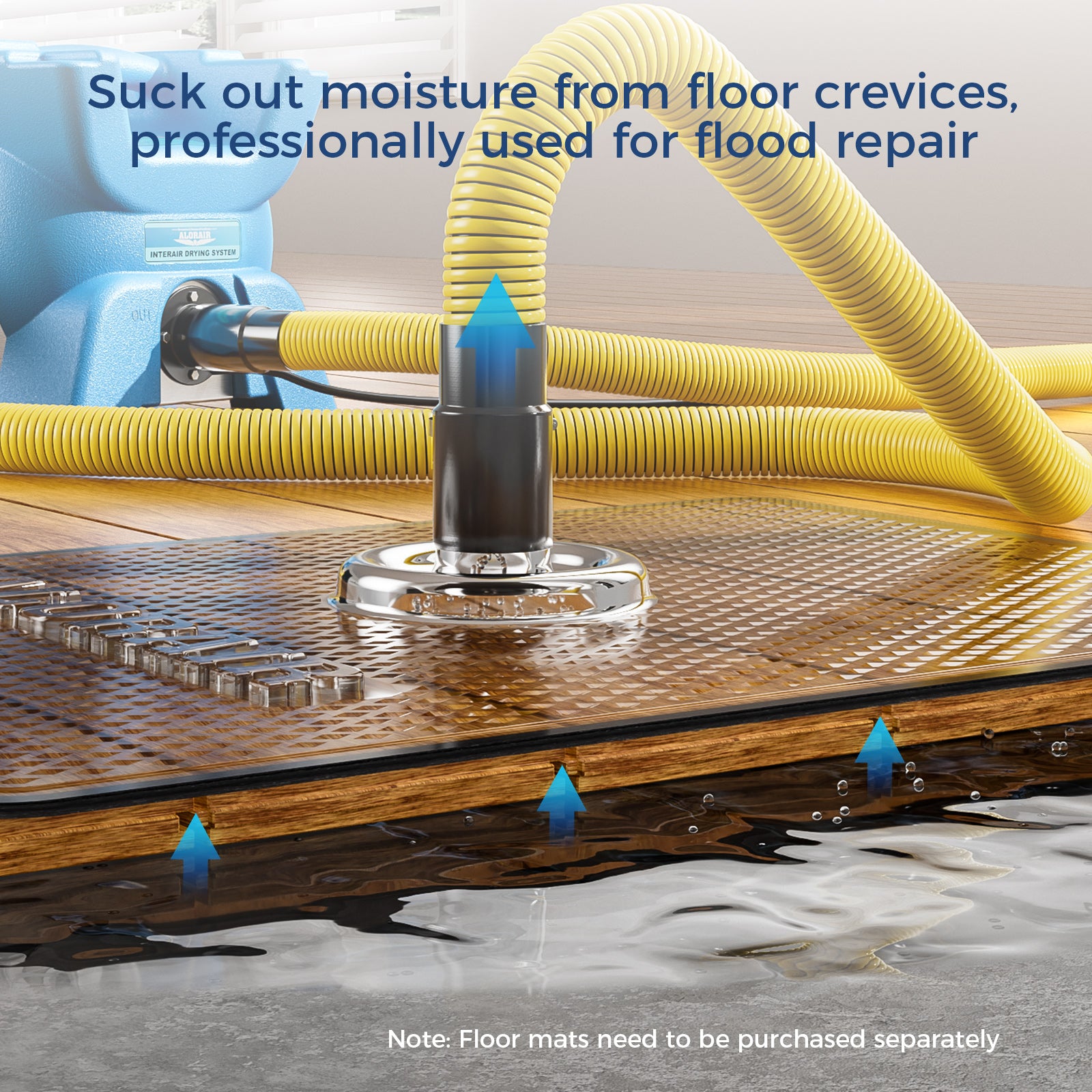
Air injection systems allow airflow beneath flooring materials without full demolition.
Why DIY Fans Don’t Work
Many homeowners attempt to dry areas with box fans after a leak. While that may help surface moisture evaporate, it does not address structural saturation.
DIY drying falls short because:
- Household fans lack directional pressure
- Airflow is not strategically placed
- Moisture readings are not monitored
- Humidity levels remain uncontrolled
- Hidden cavities remain sealed
Professional air blowers are positioned based on moisture mapping and measurement.
The process is controlled, not guesswork.
The Step-by-Step Air Blower Installation Process
In Melbourne coastal properties, the process typically begins with inspection.
Professionals use:
- Moisture meters
- Thermal imaging
- Hygrometers to measure humidity
- Visual assessments of affected areas
Once moisture is confirmed, air blowers are strategically installed.
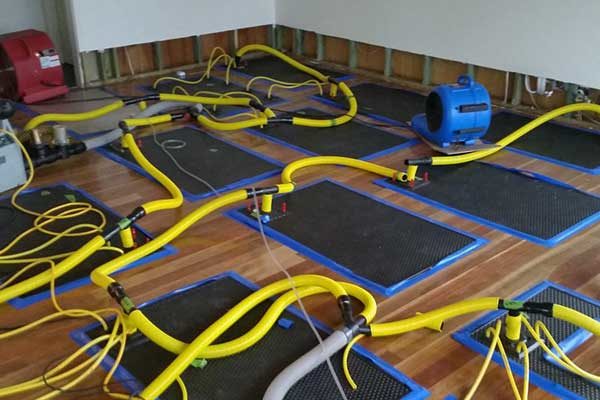
The setup may include:
- High-velocity air movers angled at wet surfaces
- Directed hoses into wall cavities
- Subfloor drying mats attached to hardwood
- Dehumidifiers placed to capture evaporated moisture
- Air scrubbers when containment is needed
Airflow must be balanced with dehumidification. Without removing the evaporated moisture from the air, humidity levels can rise and slow the process.
Drying continues until materials reach safe baseline moisture readings.
Companies such as Inspections and More FL take this methodical approach because coastal moisture behaves differently than minor inland water damage.
The Role of Dehumidification and Air Scrubbing
Air blowers alone are not the complete solution.
They work in combination with:
- Commercial dehumidifiers to remove airborne moisture
- HEPA air scrubbers when mold contamination is present
- Containment barriers if needed
In coastal homes across Merritt Island and Cocoa, air scrubbing is especially important when moisture has been present for more than 48 hours.
Combining airflow with humidity control protects indoor air quality while drying occurs.
Preventing Mold Growth in Coastal Environments
In Melbourne’s humid climate, mold can begin developing quickly if moisture is not removed.
Air blower installation:
- Speeds up evaporation
- Reduces saturation time
- Limits microbial growth conditions
- Protects framing and subfloors
- Minimizes long-term structural damage
Acting quickly after water intrusion often prevents the need for more extensive mold remediation later.
Early airflow makes a measurable difference.
Long-Term Moisture Control in Melbourne Homes
Once drying is complete, long-term protection requires addressing the moisture source.
For coastal properties, that may include:
- Roof repair or reinforcement
- Window resealing
- Improved attic ventilation
- Cleaning AC condensate lines
- Installing supplemental dehumidification
- Improving drainage around the foundation
In waterfront homes especially, salt air and wind exposure require ongoing maintenance.
Air blower installation solves the immediate moisture issue, but prevention ensures it doesn’t return.
Why Local Coastal Experience Matters
Drying a home in Melbourne is not the same as drying a home in a low-humidity region.
Local professionals understand:
- Coastal wind-driven rain patterns
- Elevated ambient humidity slowing evaporation
- Slab moisture migration
- Attic heat loads common in Florida
- HVAC dehumidification challenges
That regional knowledge allows air blower systems to be positioned and monitored correctly.
Without local expertise, drying may be incomplete — leading to recurring problems.
A Calm, Practical Next Step
If your Melbourne coastal property has experienced storm exposure, leaks, or persistent humidity issues, air blower installation may be necessary to protect structural components.
Even when surfaces appear dry, hidden moisture can remain trapped behind walls and under floors.
Professional evaluation ensures that airflow, dehumidification, and moisture monitoring work together to restore the home safely.
In Florida’s coastal climate, especially in Melbourne and surrounding communities, controlled airflow is not just helpful — it’s essential for protecting long-term property stability.
