
Why Anti-Microbial Fogging Becomes Necessary in Cocoa in Rental Properties
Rental properties in Cocoa face a unique set of challenges when it comes to moisture, mold, and indoor air quality. High tenant turnover, variable maintenance, and Florida’s coastal humidity create ideal conditions for hidden mold growth and microbial contamination. While standard cleaning addresses surface issues, anti-microbial fogging is often necessary to treat airborne spores and areas that are difficult to access, ensuring a healthy living environment for tenants and protecting property value.
This article explores why anti-microbial fogging is essential in Cocoa rental properties, how moisture spreads silently, what the process entails, and long-term preventive strategies.
Why Cocoa Rental Properties Are Especially Vulnerable
1. High Humidity and Coastal Conditions
- Cocoa experiences high year-round humidity that seeps into attics, crawl spaces, and wall cavities.
- Humid air accelerates microbial growth on wood, insulation, and drywall.
- Rental units may lack consistent climate control, making tenants unaware of moisture buildup until damage appears.
2. Tenant Turnover and Maintenance Variability
- Short-term tenants may not report leaks, AC condensation issues, or minor water damage.
- Missed maintenance allows water to infiltrate hidden areas, creating ideal conditions for mold and bacteria.
3. Stormwater Intrusion
- Cocoa is prone to tropical storms and heavy rain, which can cause water intrusion under slabs, through roofs, or via windows.
- Water may remain trapped in walls, ceilings, and crawl spaces, unseen until mold spreads.
4. Aging Infrastructure
- Older rental properties often have slab foundations, outdated insulation, or older HVAC systems, all of which can trap moisture.
- These conditions increase the likelihood of microbial contamination in hidden spaces.
How Moisture Spreads Silently in Rental Properties
1. Behind Walls and Flooring
- Small leaks in plumbing or roof areas allow moisture to travel behind drywall or under hardwood floors.
- Tenants rarely notice until mold colonies are established, often leading to odors or staining.
2. Crawl Spaces and Attics
- Crawl spaces accumulate moisture from soil, poor drainage, or plumbing leaks, while attics may develop condensation from AC units or roof leaks.
- Airborne spores can circulate throughout the rental property, affecting all units connected via HVAC.
3. HVAC Systems
- Ductwork can harbor moisture, allowing mold spores to spread throughout multiple rooms.
- Poorly maintained systems exacerbate hidden microbial contamination, making standard cleaning ineffective.
Common Signs Rental Properties Need Anti-Microbial Fogging
- Musty or earthy odors noticed by tenants
- Staining or discoloration along baseboards, walls, or ceilings
- Persistent condensation on windows, ducts, or floors
- Reports of allergy-like symptoms among tenants
- Mold detected in crawl spaces, attics, or behind walls during inspection
These indicators signal that surface cleaning alone is insufficient, and a professional fogging approach may be necessary.
Why DIY Solutions Often Fail
- Surface Cleaning Only – Mold and bacteria in hidden areas remain untreated.
- Bleach Myths – Bleach kills surface spores but does not penetrate walls, flooring, or insulation.
- Spore Spread – Improper handling can release spores into the air, contaminating other units.
- Moisture Not Corrected – Without addressing underlying leaks or humidity, microbial growth returns.
The Anti-Microbial Fogging Process
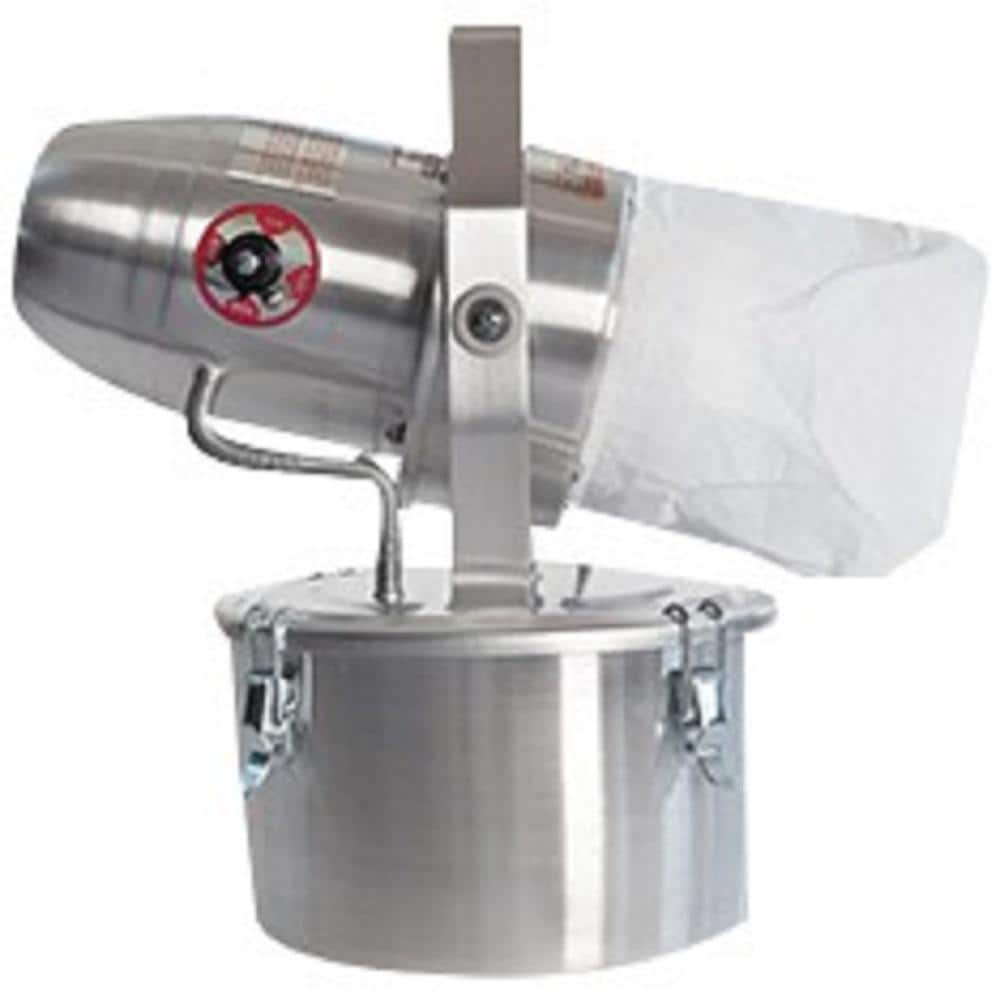
Anti-microbial fogging uses a fogging machine to disperse a fine mist of antimicrobial solution into affected areas. This mist reaches places that are otherwise inaccessible, treating both airborne spores and surfaces.
Step 1: Inspection and Moisture Assessment
- Professionals identify source areas of moisture using thermal imaging, moisture meters, and visual inspection.
- Crawl spaces, attics, wall cavities, and HVAC systems are evaluated.
Step 2: Containment
- The property or affected area is sealed to prevent spore migration during fogging.
- Doors, vents, and openings are temporarily blocked to maintain effective negative pressure.
Step 3: Fogging Application
- Anti-microbial solution is fogged into spaces including attics, crawl spaces, wall cavities, and HVAC ducts.
- Fogging ensures full coverage of both surfaces and air, killing spores that could otherwise spread.
Step 4: Air Scrubbing and Ventilation
- Air scrubbers remove remaining airborne spores.
- Proper ventilation ensures treated areas dry completely and reduces risk of recurrence.
Step 5: Verification
- Post-treatment inspections confirm that humidity levels are safe and microbial contamination is controlled.
- This documentation is valuable for property management, tenant safety, and insurance purposes.
Challenges Specific to Cocoa Rental Properties
- High Tenant Turnover – New tenants may move in before treatment is complete, requiring careful scheduling.
- Limited Access – Fogging crawl spaces, attics, and HVAC ducts can be difficult without professional equipment and expertise.
- Humidity Fluctuations – High coastal humidity can reduce the effectiveness of fogging if not combined with dehumidification.
- Multiple Units – In multi-unit properties, spores can migrate via HVAC, requiring comprehensive treatment rather than isolated fogging.
Professional oversight ensures that fogging is targeted, safe, and effective, preventing recurrence and protecting tenants.
Long-Term Benefits of Anti-Microbial Fogging
- Protects Tenants’ Health – Reduces allergens, spores, and microbial contamination in the air.
- Preserves Property Value – Prevents damage to walls, insulation, and flooring caused by hidden mold.
- Reduces Liability – Ensures rental properties comply with safety and habitability standards.
- Prevents Recurrence – Combined with moisture control, ventilation, and regular inspections, fogging creates long-term protection.
- Cost-Effective Maintenance – Early intervention avoids extensive remediation costs from advanced mold growth.
Preventive Strategies for Cocoa Rental Properties
- Conduct annual inspections of attics, crawl spaces, and HVAC systems.
- Use dehumidifiers and proper ventilation in high-risk areas.
- Repair plumbing leaks, roof damage, or foundation cracks promptly.
- Schedule anti-microbial fogging after heavy storms or water intrusion events.
- Educate tenants to report musty odors, leaks, or condensation immediately.
By integrating fogging with preventive maintenance, property managers can safeguard multiple units and maintain safe living conditions.
Why Local Expertise Matters
- Companies like Inspections and More FL have hands-on experience with Cocoa’s storm season, coastal humidity, and rental property dynamics.
- They understand how to apply fogging safely in occupied properties, coordinate with tenants, and combine treatments with dehumidification and structural drying.
- Local knowledge ensures effective remediation, regulatory compliance, and long-term prevention.
Conclusion
In Cocoa’s rental properties, hidden moisture and mold growth pose a serious threat to both property value and tenant health. Anti-microbial fogging is a necessary step in controlling airborne spores, reaching hidden spaces, and providing long-term protection.
Combined with inspection, moisture detection, dehumidification, and preventive maintenance, fogging ensures that properties remain dry, safe, and habitable, even in the face of Florida’s storm season and high humidity conditions. For property managers and homeowners, proactive anti-microbial fogging is a crucial investment in property longevity and tenant well-being.
