
Why Anti-Microbial Fogging Becomes Necessary in Palm Bay When AC Condensation Becomes a Problem
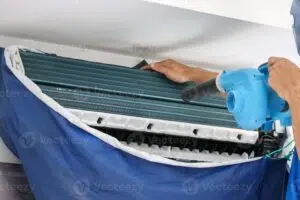
Air conditioning is a lifesaver in Palm Bay’s hot, humid climate. But when AC systems malfunction or condensation goes unchecked, they can inadvertently create an environment where mold and bacteria thrive. AC condensation problems are more than an inconvenience—they can lead to hidden moisture, musty odors, and compromised indoor air quality. In these situations, professional anti-microbial fogging becomes a necessary intervention to protect both the home and its occupants.
Florida’s coastal climate, combined with high humidity, heavy rains, and frequent storms, increases the risk of moisture-related issues inside homes. Anti-microbial fogging is not just a reactive treatment—it’s a preventive measure that neutralizes microbial threats, mitigates odor, and supports a healthy indoor environment.
What the Issue Is
AC condensation problems occur when the system cannot properly remove moisture from the air or when drain lines and pans fail. Moisture can accumulate in:
- Ductwork – Condensation inside ducts provides a breeding ground for mold spores.
- AC drip pans – Standing water promotes bacterial and mold growth.
- Ceiling and wall cavities – Leaks or condensation can infiltrate hidden areas.
- HVAC system components – Coils, filters, and insulation may harbor microbial colonies.
Left unaddressed, these conditions can lead to:
- Indoor air quality degradation – Increased spores and bacteria in the air.
- Musty odors – Often noticeable in rooms served by the affected AC system.
- Structural risks – Moisture may damage drywall, framing, and subflooring.
- Health concerns – Particularly for allergy sufferers or sensitive individuals, though fogging itself is focused on surface microbial control rather than medical treatment.
Anti-microbial fogging addresses these hidden threats comprehensively.
Why This Happens So Often in Palm Bay
Several local factors make AC condensation a recurring problem in Palm Bay homes:
- High humidity – Even when the AC is running, moisture levels in the air are elevated, producing excessive condensation on coils or in pans.
- Storm-driven humidity spikes – Heavy rainstorms increase indoor and attic moisture, stressing AC systems.
- Older HVAC systems – Aging systems may have clogged lines, inefficient airflow, or worn insulation, creating condensation problems.
- Slab foundations – Lack of a vapor barrier can allow moisture to enter the home, contributing to indoor humidity.
- Limited ventilation – Poorly ventilated attics or ductwork trap moisture and prevent proper drying.
These factors make anti-microbial fogging a practical solution to control microbial growth and protect the home.
Common Signs Homeowners Notice
Palm Bay homeowners can often detect AC condensation issues before mold becomes visible:
- Musty odors near vents – A telltale sign of microbial growth in ducts or drip pans.
- Visible mold in vents or AC components – Black or green colonies inside ducts or on coils.
- Excessive indoor humidity – Rooms feel damp or sticky despite AC running.
- Water stains or damage – On ceilings or near HVAC units.
- Reduced AC efficiency – Moisture buildup can impair airflow and cooling performance.
Recognizing these signs early can prevent widespread mold or bacterial proliferation.
Hidden or Overlooked Sources
Moisture from AC systems often spreads in ways homeowners cannot see:
- Ductwork – Mold can grow deep inside ducts, circulating spores throughout the home.
- Attic condensation – Poorly insulated ducts may leak moisture into attic spaces.
- Ceiling and wall cavities – Condensation can drip into drywall or insulation.
- Filters and drip pans – Standing water encourages bacteria and mold colonies.
- AC coils and blowers – Moist surfaces provide an ideal environment for microbial growth.
Anti-microbial fogging is particularly effective in these hidden areas, where traditional cleaning cannot reach.
Why DIY Attempts Usually Fail
Homeowners often try surface cleaning, bleach sprays, or portable dehumidifiers, but these approaches rarely solve the problem:
- Surface cleaning only – Mold inside ducts or AC components remains untouched.
- Moisture persists – Without addressing condensation or humidity, mold regrows.
- Spore spread – Disturbing ducts or surfaces without containment spreads spores.
- Limited reach – Hard-to-access areas like coil assemblies or attic duct runs are almost impossible to treat properly without specialized equipment.
Professional fogging ensures microbial treatment reaches the full HVAC system and associated cavities.
Professional Anti-Microbial Fogging Explained
Anti-microbial fogging is a process that distributes a fine mist of EPA-approved antimicrobial agents into areas affected by moisture and microbial growth. The professional process includes:
- Inspection and assessment – Technicians identify condensation problems, microbial growth, and areas requiring treatment.
- Containment and safety – Occupied spaces are protected, and HVAC units are prepared for fogging.
- Fogging application – A fine mist penetrates ductwork, wall cavities, coils, and hard-to-reach areas, neutralizing bacteria and mold spores.
- Air scrubbing – High-efficiency filtration removes airborne spores during the process.
- Post-fogging evaluation – Ensures treatment coverage and verifies that microbial populations are neutralized.
- Integration with dehumidification – Proper drying of ducts, crawl spaces, and attics is coordinated to prevent regrowth.
This approach not only eliminates existing microbes but also reduces future risks if condensation issues persist.
How Anti-Microbial Fogging Protects Palm Bay Homes
Fogging provides several key benefits for homeowners dealing with AC condensation problems:
- Reaches hidden areas – Treats inside ducts, coils, and cavities that are inaccessible by hand.
- Prevents regrowth – Creates a protective barrier against mold and bacteria.
- Improves indoor air quality – Reduces airborne spores and odors circulated by the AC system.
- Supports structural integrity – By mitigating microbial growth, it protects drywall, framing, and insulation from decay.
- Works with moisture control strategies – Complements dehumidification, airflow correction, and drainage improvements for comprehensive prevention.
Professional fogging addresses both visible and hidden microbial threats, protecting the home and occupants from long-term damage.
Preventive Measures for Homeowners
Even after professional fogging, homeowners can reduce the risk of future microbial growth:
- Regular AC maintenance – Clean coils, clear condensate lines, and inspect drip pans.
- Monitor indoor humidity – Keep levels below 60% with dehumidifiers or proper ventilation.
- Seal ducts and insulation – Prevent condensation and leaks in HVAC components.
- Post-storm inspections – Check AC units, ductwork, and attics after heavy rain or storms.
- Routine microbial assessments – Schedule periodic inspections for hidden mold or bacterial growth.
- Proper airflow management – Ensure vents and fans circulate air efficiently throughout the home.
Proactive monitoring and maintenance complement fogging treatments to maintain a healthy, dry environment.
