
Why Dehumidification Becomes Necessary in Palm Bay Behind Interior Walls
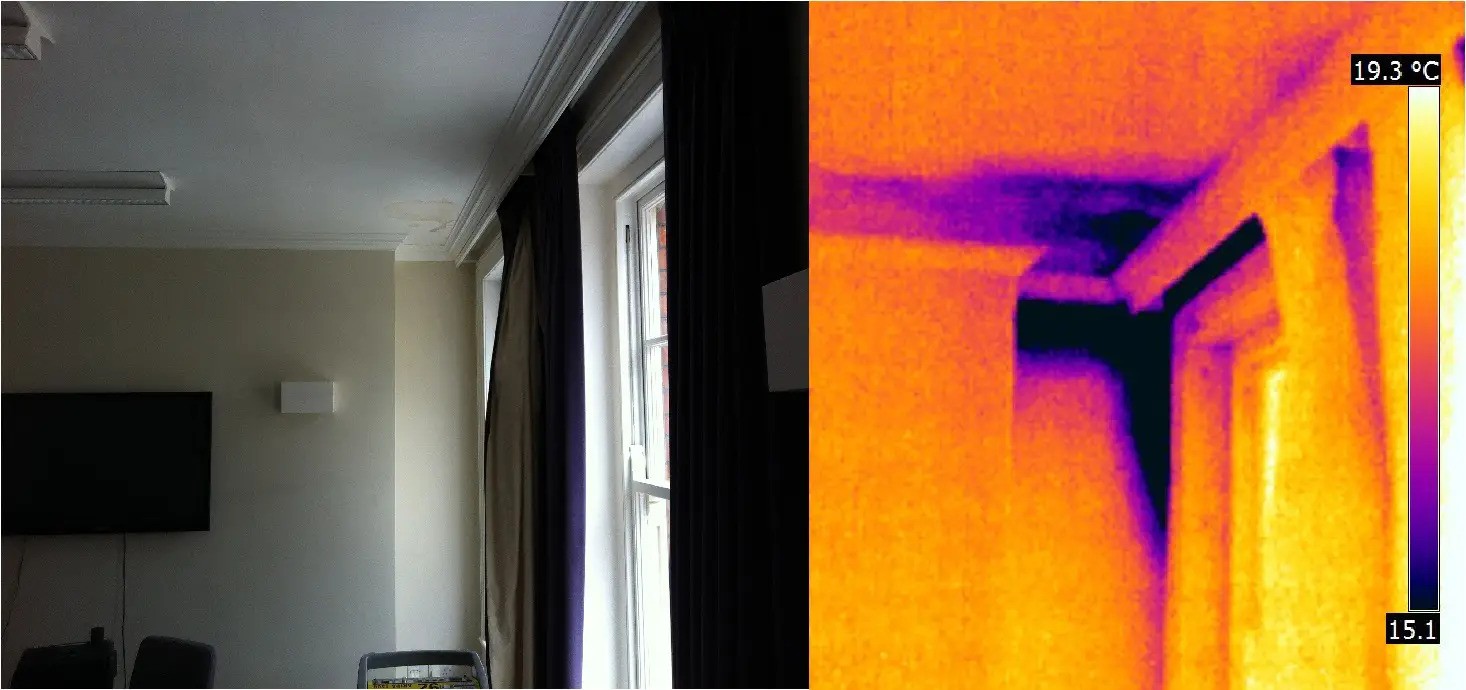
In Palm Bay, humidity isn’t just something you feel outdoors — it finds its way inside your walls.
When moisture gets trapped behind interior drywall, it doesn’t dry quickly on its own. In Florida’s warm, humid climate, trapped moisture lingers, spreads, and creates ideal conditions for mold growth. That’s why dehumidification often becomes necessary when wall cavities show signs of elevated moisture.
Homeowners are often surprised to learn that even if a wall looks fine on the surface, humidity inside it can remain high enough to cause structural problems.
Let’s break down why this happens so often in Palm Bay homes and why professional dehumidification plays a critical role.
How Moisture Gets Behind Interior Walls
Moisture behind walls doesn’t always come from dramatic flooding.
In Palm Bay homes, common causes include:
- Slow plumbing leaks inside wall cavities
- AC condensate line overflows
- Roof leaks during heavy storms
- Wind-driven rain entering window frames
- Slab moisture migrating upward
- High crawl space humidity rising into framing
Because interior walls are enclosed, moisture becomes trapped once it enters.
Drywall paper backing and wood framing absorb humidity quickly. Insulation acts like a sponge.
Without intervention, the wall cavity remains damp long after the visible surface appears dry.
Why Palm Bay’s Climate Makes It Worse
Palm Bay experiences:
- High year-round humidity
- Frequent rainstorms
- Coastal air exposure
- Warm temperatures most of the year
These conditions slow natural evaporation.
In dry climates, moisture may evaporate through walls more easily. In Palm Bay, the surrounding air already contains high moisture levels, which limits drying capacity.
When humidity inside wall cavities rises above safe levels, mold growth becomes a real risk within days.
That’s when dehumidification becomes necessary — not optional.
Signs Moisture May Be Trapped Behind Walls
Wall cavity moisture often shows subtle warning signs, such as:
- Musty odors in specific rooms
- Slight paint bubbling
- Soft drywall near baseboards
- Discoloration near ceiling edges
- Warped trim
- Elevated indoor humidity
- AC running longer than normal
Because the moisture is hidden, homeowners may not immediately connect damp indoor air with wall cavity problems.
Professional moisture detection tools are typically needed to confirm internal conditions.
Why Surface Drying Isn’t Enough
Many homeowners try to address damp walls by:
- Running fans
- Opening windows
- Using small portable dehumidifiers
- Cleaning visible spots
These methods only impact surface moisture.
They do not remove humidity trapped inside insulation, framing, or drywall layers.
Without active dehumidification, moisture inside the cavity can remain elevated for weeks.
That lingering humidity provides the perfect environment for mold spores to activate.
What Dehumidification Actually Does
Professional dehumidifiers are designed to remove moisture from the air efficiently and continuously.
When paired with proper airflow:
- Moisture evaporates from damp materials
- Humid air is extracted
- Indoor humidity stabilizes
- Wall cavities dry from the inside out
Dehumidification lowers the overall moisture content of the indoor environment, allowing trapped water within materials to release more effectively.
In Palm Bay’s climate, this process often requires commercial-grade equipment — not household units.
The Challenge of Enclosed Wall Cavities
Interior walls are sealed systems.
Drywall blocks airflow. Insulation restricts circulation. Moisture can travel downward along framing, pooling near baseboards.
To dry effectively, professionals may:
- Use moisture meters to map wet zones
- Drill small access points to increase airflow
- Pair dehumidifiers with targeted air movers
- Monitor moisture levels daily
The goal is to reduce moisture content inside the cavity without unnecessary demolition.
In some cases, if insulation is saturated, removal may be required to prevent mold development.
Why Mold Risk Is High Behind Walls
Wall cavities create ideal mold conditions:
- Limited light
- Warm temperatures
- Organic drywall backing
- Minimal airflow
- Trapped moisture
Once mold establishes itself inside a wall, remediation becomes more invasive and costly.
Early dehumidification prevents reaching that stage.
Companies experienced in Palm Bay, like Inspections and More FL, emphasize moisture stabilization before visible mold appears.
Prevention is far less disruptive than remediation.
Slab Foundations and Wall Moisture
Many Palm Bay homes are built on slab foundations.
After heavy rain, groundwater levels rise. Moisture can migrate upward through concrete and enter lower wall sections.
Homeowners may notice damp baseboards or slightly warped trim.
If slab moisture isn’t controlled, humidity behind walls remains elevated.
Dehumidification helps stabilize interior humidity while addressing slab-related moisture.
AC Systems and Interior Wall Humidity
AC systems in Florida remove moisture — but when they malfunction, they can contribute to wall moisture problems.
Common issues include:
- Clogged condensate drain lines
- Sweating ductwork
- Air handler overflow
- Improperly insulated refrigerant lines
If condensation leaks inside wall cavities, humidity rises quickly.
Dehumidification supports drying while mechanical repairs correct the source.
Why Timing Matters in Palm Bay
In Florida’s climate, mold can begin forming within 24–48 hours after moisture exposure.
Delaying dehumidification allows moisture to settle deeper into materials.
Early action:
- Shortens drying time
- Reduces structural damage
- Prevents mold activation
- Minimizes repair costs
Waiting often turns a moisture issue into a mold remediation project.
Long-Term Prevention Strategies
After wall drying is complete, homeowners should focus on prevention:
- Inspect plumbing connections annually
- Flush AC drain lines regularly
- Improve attic ventilation
- Maintain proper exterior drainage
- Monitor indoor humidity (ideal range 45–55%)
- Schedule inspections after heavy storms
Palm Bay’s humidity requires ongoing awareness.
Wall cavities may not be visible, but they remain vulnerable to moisture intrusion.
Why Local Experience Makes a Difference
Dehumidifying wall cavities in Palm Bay requires understanding:
- Coastal humidity patterns
- Typical slab foundation behavior
- Common AC condensation problems
- How Florida framing materials absorb moisture
- Seasonal rainfall impacts
Technicians unfamiliar with Florida conditions may underestimate drying timelines.
Local knowledge ensures thorough moisture stabilization.
Inspections and More FL has encountered many cases where early dehumidification prevented larger mold remediation in Palm Bay homes.
When to Schedule an Evaluation
If you notice:
- Persistent damp indoor air
- Musty smells without visible mold
- Paint bubbling or soft drywall
- AC drainage issues
- Recent plumbing leaks
- Ceiling or wall discoloration
…it’s time for a professional moisture evaluation.
Hidden humidity rarely resolves on its own in Florida.
Protecting Palm Bay Homes from Hidden Moisture
Behind interior walls, moisture often goes unnoticed — but it doesn’t stay harmless.
In Palm Bay’s humid coastal climate, dehumidification becomes necessary when trapped moisture threatens structural integrity and indoor air quality.
By lowering humidity levels, improving airflow, and correcting the source of moisture, homeowners prevent hidden wall cavities from becoming mold zones.
In Florida, moisture control is ongoing.
Addressing humidity early protects framing, drywall, insulation, and long-term property value — before mold has the opportunity to take hold.
