
Why Moisture Detection Becomes Necessary in Palm Bay During Extreme Humidity
Extreme humidity in Palm Bay isn’t unusual. It’s part of life along Florida’s Space Coast. Step outside in July or August and you can feel the moisture in the air almost instantly. What many property owners don’t realize is that the same humidity affecting the outdoors is quietly influencing the inside of their homes.
During prolonged high-humidity periods, moisture doesn’t need a dramatic leak to cause problems. It can accumulate slowly, settle into building materials, and create conditions that lead to mold growth, structural weakening, and indoor air quality concerns.
That’s why moisture detection becomes essential in Palm Bay during extreme humidity — even when there’s no visible water damage.
What Extreme Humidity Does to a Home
Palm Bay, like Merritt Island, Cocoa, and Melbourne, regularly experiences elevated relative humidity levels that can exceed 70–80% outdoors. When indoor humidity rises above safe levels (typically 60% or more), building materials begin absorbing moisture from the air.
This affects:
- Drywall
- Wood framing
- Subfloors
- Insulation
- Ceiling cavities
- HVAC systems
Unlike a plumbing leak, humidity-based moisture is gradual. It doesn’t puddle on the floor. It seeps into porous materials and stays there.
Over time, this hidden saturation creates ideal conditions for mold development and material deterioration.
Why Palm Bay Homes Are Especially Vulnerable
Palm Bay’s coastal proximity means constant exposure to moisture-heavy air. Add to that:
- Afternoon thunderstorms
- Hurricane season moisture surges
- High water tables
- AC systems running continuously
- Slab foundation construction common in the area
Older homes in Palm Bay and surrounding areas often lack modern vapor barriers or advanced insulation systems. That allows humid air to infiltrate more easily.
Even newer homes can struggle if ventilation systems are unbalanced or if HVAC condensate lines aren’t draining properly.
Humidity isn’t always visible, but it is measurable — and that’s where detection matters.
Common Signs Property Owners Notice
Extreme humidity often shows subtle warning signs before serious issues appear.
Homeowners in Palm Bay frequently report:
- Persistent musty odors
- Windows that fog or sweat
- Warped or cupping hardwood floors
- Paint peeling near ceilings
- AC running constantly but rooms still feeling damp
- Mold reappearing in the same areas
Landlords across Cocoa and Melbourne often hear complaints about “heavy air” or breathing discomfort indoors during peak summer months.
These are often early indicators of hidden moisture buildup.
Hidden Areas Where Humidity Collects
Humidity-driven moisture doesn’t stay on surfaces. It migrates to cooler areas and condenses.
Common hidden problem zones include:
- Behind drywall on exterior-facing walls
- Inside attic insulation
- Around AC ductwork
- Under flooring materials
- Inside wall cavities near bathrooms and kitchens
- Beneath cabinets and baseboards
In slab foundation homes across Palm Bay and Sanford, humidity combined with ground moisture can increase vapor pressure beneath flooring.
Without detection tools, these areas remain unchecked.
Why DIY Checks Aren’t Enough
Many homeowners assume if they don’t see water, they don’t have a problem.
However, humidity-based moisture doesn’t create obvious staining right away.
DIY efforts often fall short because:
- No moisture meters are used
- No thermal imaging is performed
- Humidity levels aren’t accurately measured
- Hidden cavities aren’t evaluated
- Surface cleaning doesn’t address internal moisture
Running a portable dehumidifier without identifying where moisture is accumulating doesn’t solve the underlying issue.
Humidity problems require data, not guesswork.
How Professional Moisture Detection Works
Professional moisture detection in Palm Bay homes begins with thorough evaluation.
The process often includes:
- Measuring indoor relative humidity
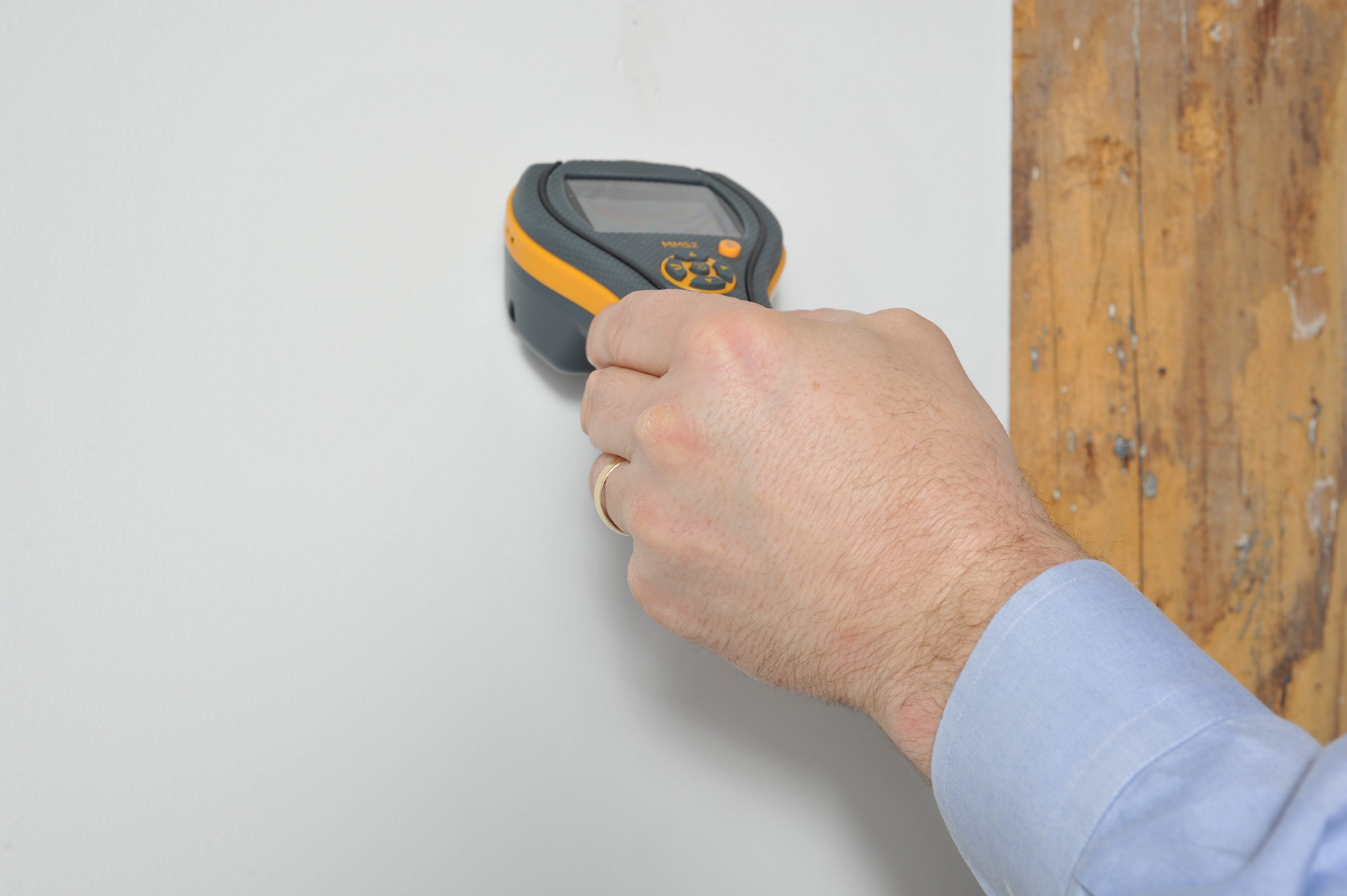
- Using moisture meters on drywall and wood
- Thermal imaging scans to locate cooler, damp areas
- Checking attic ventilation
- Evaluating crawl spaces
- Inspecting HVAC systems and ductwork
Thermal imaging is especially helpful during extreme humidity. Cooler wall areas may indicate moisture accumulation behind surfaces.
Moisture meters confirm whether building materials are holding elevated water content beyond safe levels.
Companies such as Inspections and More FL approach moisture detection methodically because Florida humidity behaves differently than moisture in drier states.
The Role of HVAC Systems in Humidity Control
Air conditioning systems are meant to remove humidity, but they can also contribute to moisture problems if not functioning correctly.
Common humidity-related HVAC issues in Palm Bay include:
- Oversized systems that cool quickly but don’t dehumidify properly
- Clogged condensate drain lines
- Leaking ductwork in attics
- Poor insulation around ducts
- Air handler closet condensation
During extreme humidity, AC systems work harder. If maintenance is neglected, moisture can accumulate inside ductwork and wall cavities.
Detection identifies these issues before mold develops.
Structural Risks of Ignoring Humidity
When high humidity remains unchecked, structural materials begin absorbing moisture continuously.
Over time, this can lead to:
- Wood swelling and distortion
- Subfloor weakening
- Insulation breakdown
- Mold colonization
- Fastener corrosion in coastal areas
In older Palm Bay homes, these effects may appear gradually, making them harder to connect directly to humidity.
Moisture detection helps identify elevated readings before visible damage occurs.
Prevention Strategies for Palm Bay Homes
Extreme humidity is part of Florida living, but proactive steps reduce risk.
Property owners should:
- Monitor indoor humidity (target 45–55%)
- Schedule annual HVAC inspections
- Ensure attic ventilation is balanced
- Check for condensation around windows
- Inspect crawl spaces after heavy rain
- Schedule routine moisture evaluations
Post-storm inspections are especially important, even if no visible water intrusion occurred.
Humidity spikes after tropical systems can push indoor moisture levels well beyond safe limits.
Why Local Experience Matters
Moisture detection in Palm Bay requires understanding Florida’s unique climate patterns.
Local professionals understand:
- Coastal humidity behavior
- Slab moisture migration
- Attic heat loads common in Palm Bay homes
- AC system challenges in high-humidity environments
- Building materials used in Cocoa, Melbourne, and Merritt Island
Experience allows faster identification of risk areas and more accurate readings.
Humidity in Florida isn’t occasional. It’s seasonal and predictable. Managing it requires awareness and precision.
A Calm, Practical Next Step
If your Palm Bay home feels damp, musty, or uncomfortable during extreme humidity, scheduling a moisture detection evaluation is a practical step.
Even without visible water damage, elevated moisture can be present.
Detection provides clarity. It identifies hidden accumulation before mold remediation or structural drying becomes necessary.
In Florida’s climate, especially during peak humidity months, proactive moisture detection protects the integrity of your home and prevents long-term issues that often begin quietly behind walls and beneath floors.
